Az általános szellőző levegőszűrők nemzetközi szabványa.
Milyen ISO 16890 Borítók
ISO 16890 az általános szellőztetésben használt részecskeszűrők nemzetközi osztályozási rendszere. Általában panelre alkalmazzák, táska, zseb, V-bank és egyéb szűrők beépítve HVAC és légkezelő rendszerekbe.
A szabvány ISO ePM1-ként jelenti a szűrőket, ISO ePM2.5, ISO ePM10 vagy ISO Coarse. Ezek a csoportok közös alapot biztosítanak a laboratóriumi teljesítmény összehasonlításához különböző részecskeméretekben.
Kereskedelmi épületek
Lakossági szellőztető rendszerek
Kórházak és laboratóriumok
Ipari HVAC berendezések
Mit jelent az ePM-besorolás
A laboratórium először meghatározott részecskeméret-intervallumokban méri a frakcionált hatékonyságot. Az eredményül kapott hatékonysági görbét standardizált referencia részecskeméret-eloszlásokkal kombinálják az ePM értékek kiszámításához. Az osztályozás figyelembe veszi mind a kezdeti teljesítményt, mind a minimális töredékes vizsgálati hatékonyságot, amelyet a meghatározott kondicionáló eljárás után határoztak meg.
ISO ePM2.5 65 százalékos eredmény ezért szabványosított számított besorolás. Ez nem jelenti azt, hogy a szűrő pontosan eltávolítja 65 minden épületben minden valódi kültéri PM2,5 aeroszol százaléka. A terepi teljesítmény a helyi részecskeeloszlástól is függ, légáramlás, terhelés, beépítési tömítés és karbantartás.
Az ISO 16890 Tesztfunkciók
A szűrőket szabványosított vizsgálati eljárás után mért hatékonyságuk szerint osztályozzák. A tipikus osztályozási példák közé tartozik:
Funkció
Cél
Fontos határ
Frakcionális hatékonyság és ellenállás
Méri a felfelé és lefelé irányuló részecskekoncentrációt és a légáramlási ellenállást.
Az eredmény egy hatékonysági görbe, nem egy értéknél 0.3 mikrométer.
IPA-gőz kondicionálás
Meghatározza a minimális töredékes vizsgálati hatékonyságot az eltávolítható elektrosztatikus hatások csökkentése után.
Ez nem a szántóföldi öregedés meghatározott időszakának szimulációja.
ePM besorolás
A kezdeti és feltételes adatokat használja a szabványos referenciaeloszlással.
Az érték laboratóriumi besorolás, nem jelent közvetlen garanciát a mező eltávolítására.
Por betöltése
Méri a gravimetrikus hatékonyságot és a felfogott tesztpor tömegével szembeni ellenállást.
ISO 16890-3 az adatokat külön jelentik, és nem határozzák meg az ePM osztályt.
ePM1 besorolású, ePM2.5, vagy ePM10, a szűrőnek minimális átlagos hatásfokot kell elérnie 50% a megfelelő részecskeméretű frakcióhoz.
Tipikus tesztkonfiguráció
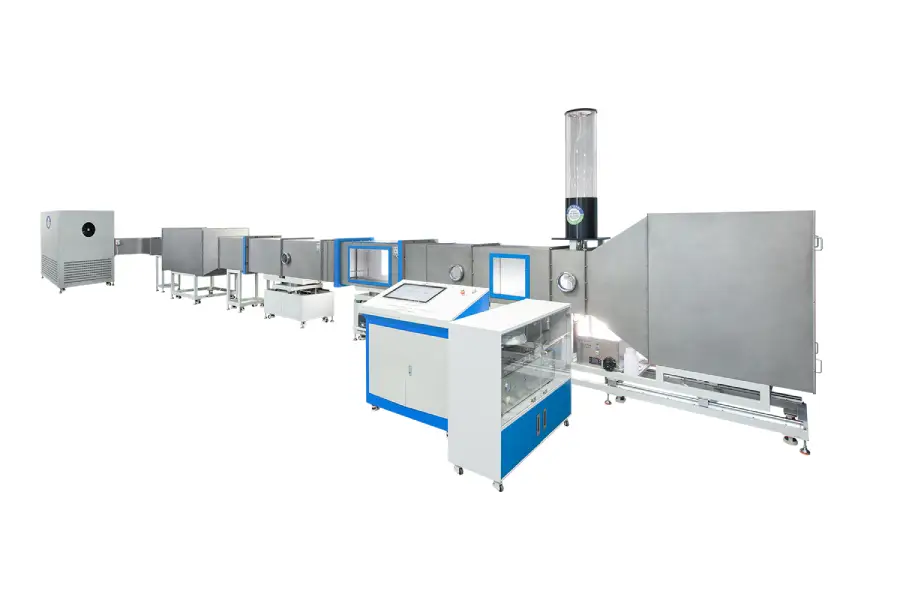
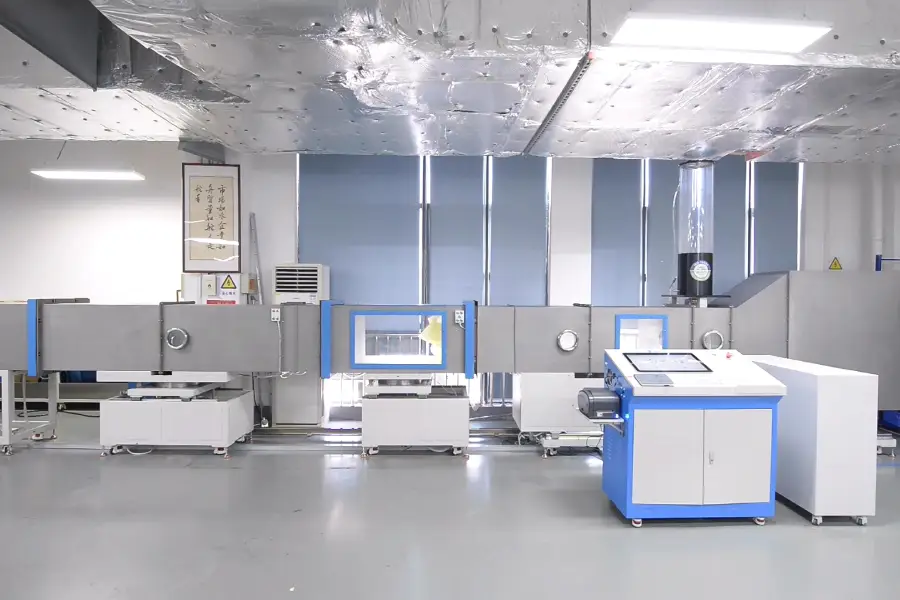
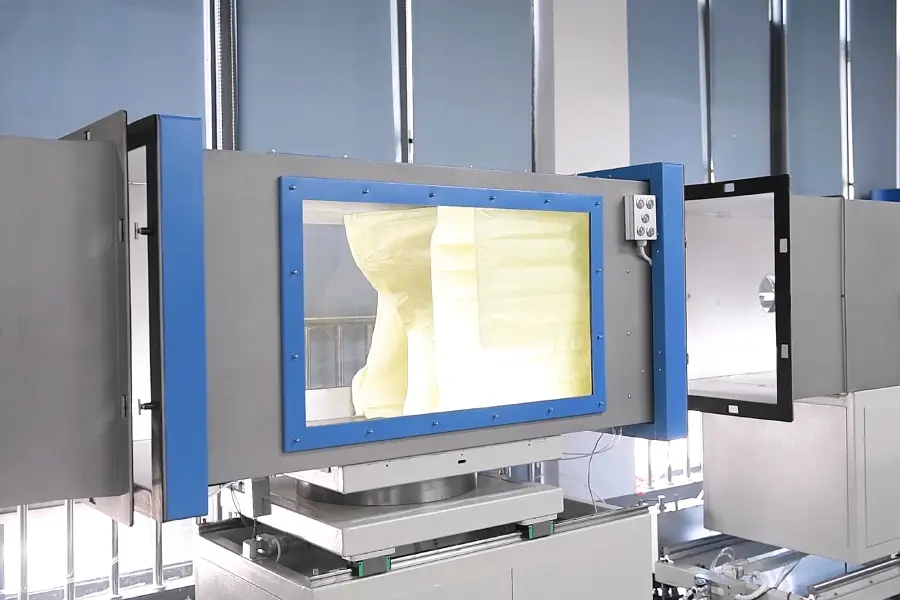
Tipikus ISO 16890 A tesztrendszer számos kulcselemet tartalmaz. Ezek az elemek együttesen biztosítják a stabil aeroszolképződést és a pontos részecskemérést a tesztelés során.
Szabályozott légáramlási rendszerek
Részecske-előállítási és mérési egységek
Upstream és downstream mintavételi rendszerek
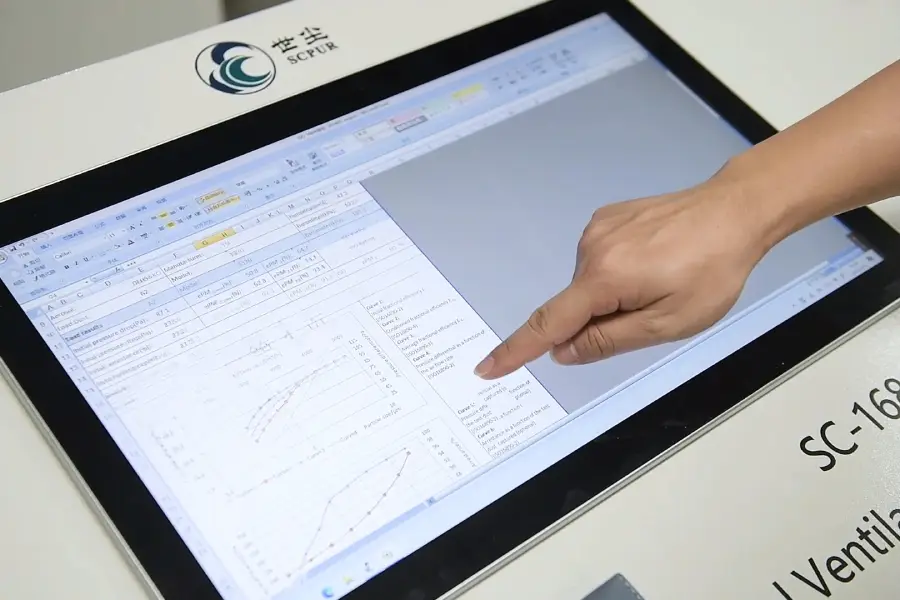
Automatizált hatékonyság számítási szoftver
Milyen ISO 16890 Nem terjed ki
Ez nem a HEPA és ULPA szűrők osztályozási módszere. IN 1822 vagy ISO 29463 rendszerint ezekhez a termékekhez használják.
Ez nem egy általános vizsgálati módszer a hordozható helyiséglevegő-tisztítókhoz.
Az élettartamot közvetlenül nem jelzi előre, beltéri levegő minősége vagy egy komplett szellőzőrendszer teljesítménye.
A tesztberendezés kiválasztása
Teljes ISO 16890 a laboratórium légáramlás-vizsgáló csatornát igényelhet, aeroszol generátorok, részecskemérő műszerek, nyomás és áramlásmérés, egy IPA kondicionáló szekrény, por adagoló és mérő berendezések és szoftverek a tesztek ellenőrzéséhez és számításokhoz. Ezeket a funkciókat egy fizikai gép helyett különálló modulok biztosítják.
Az SCPUR konfigurálja az ISO-t 16890 tesztelni a rendszereket a szűrőméret szerint, légáramlási tartomány, nyomásesés, szükséges próbaalkatrészek, napi adatátviteli és jelentési igények.
Küldje el nekünk a szűrő méreteit, légáramlás, ellenállási tartomány és az ISO szükséges részei 16890. Meghatározzuk a szükséges tesztmodulokat és laboratóriumi segédeszközöket.
Érvényesítse minőségét a globális szabványos tesztelési rendszerekkel
Szakértőink készek egyedi megoldást kidolgozni az Ön számára. Meséljen nekünk a projektjéről, és ellenőrizzük minőségét pontosan és gyorsan.
Egyedi R&D & Testre szabott megoldások
A globális szabványoknak való megfelelés
100% Saját fejlesztésű szoftverrendszer
Távoli kalibrálás & Globális támogatás
Lépjen kapcsolatba velünk
*Tiszteletben tartjuk az Ön bizalmas kezelését, és minden információ védett.
Mielőtt elmész...
Nem biztos abban, hogy melyik nemzetközi szabvány vonatkozik a projektjére? Beszéljen vezető mérnökeinkkel, hogy személyre szabott műszaki értékelést készítsenek 10 éves iparági szakértelmünk alapján.
*Tiszteletben tartjuk az Ön bizalmas kezelését, és minden információ védett.
This page has been automatically translated from the English original for convenience. Product models, standards, numerical values and technical limits should be verified against the English version. Please contact SCPUR for project-specific confirmation.