Understanding ISO 16890 Air Filter Classification

The International Standard for General Ventilation Air Filters.

Home

>

ISO 16890

General Ventilation Filter Testing Systems

Overview of the ISO 16890 Standard

ISO 16890 is an international standard used to classify general ventilation air filters based on their efficiency in removing particulate matter from the air. Unlike earlier standards that relied on laboratory particle sizes, ISO 16890 evaluates filter performance using particle size ranges that correspond to real atmospheric particulate matter, including PM1, PM2.5, and PM10.

“This approach provides a more realistic assessment of filter performance in actual operating environments.

Commercial Buildings

Commercial Buildings

Residential Ventilation Systems

Residential Ventilation Systems

Hospitals and Laboratories

Hospitals and Laboratories

Cleanroom Manufacturing

Industrial HVAC Installations

ISO 16890 Testing Methodology

Particle Size Fractions in ISO 16890

Particle Size Fractions in ISO 16890

The ISO 16890 classification system is based on three particulate matter fractions.

Classification Particle Size Range
ePM1 particles ≤ 1 µm
ePM2.5 particles ≤ 2.5 µm
ePM10 particles ≤ 10 µm

These categories correspond to commonly used air quality indicators for airborne particles. The efficiency reported for each category represents the average removal efficiency of particles within the defined size range.

ISO 16890 Test Procedure

The test procedure defined in ISO 16890 includes several steps:

  1. measurement of initial filtration efficiency
  2. electrostatic discharge treatment (if applicable)
  3. repeated efficiency measurement after conditioning
  4. calculation of average efficiency values

These steps ensure that filters relying on electrostatic charges are evaluated under realistic long-term performance conditions.

ISO 16890 Filter Testing Systems

Filter Classification Method

Filters are classified according to their measured efficiency after a standardized test procedure. Typical classification examples include:

Filter Class

Description

ISO ePM1

high efficiency for fine particles

ISO ePM2.5

moderate efficiency for fine particles

ISO ePM10

efficiency for larger particles

ISO Coarse

filters primarily removing large dust particles

To be classified as ePM1, ePM2.5, or ePM10, the filter must achieve a minimum average efficiency of 50% for the corresponding particle size fraction.

Typical Test Configuration

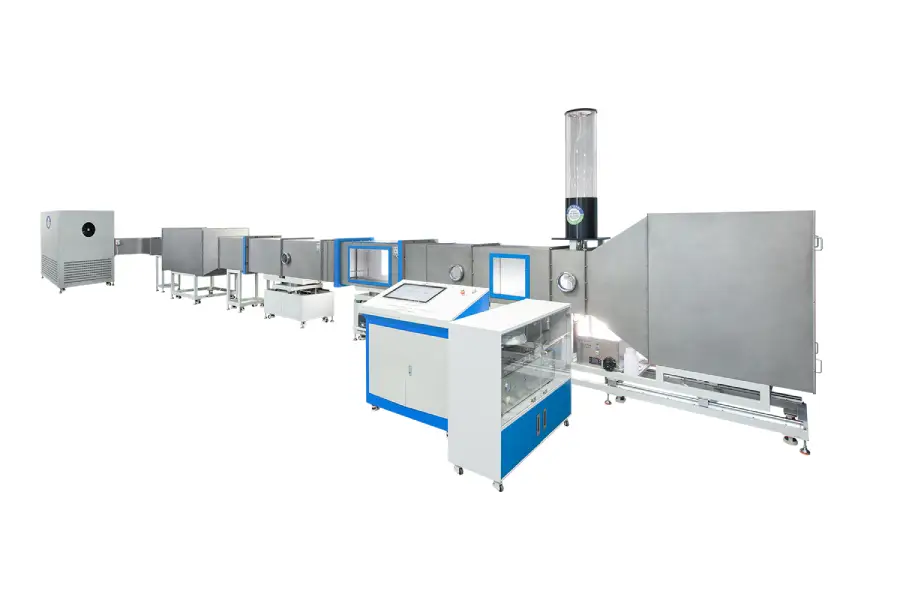
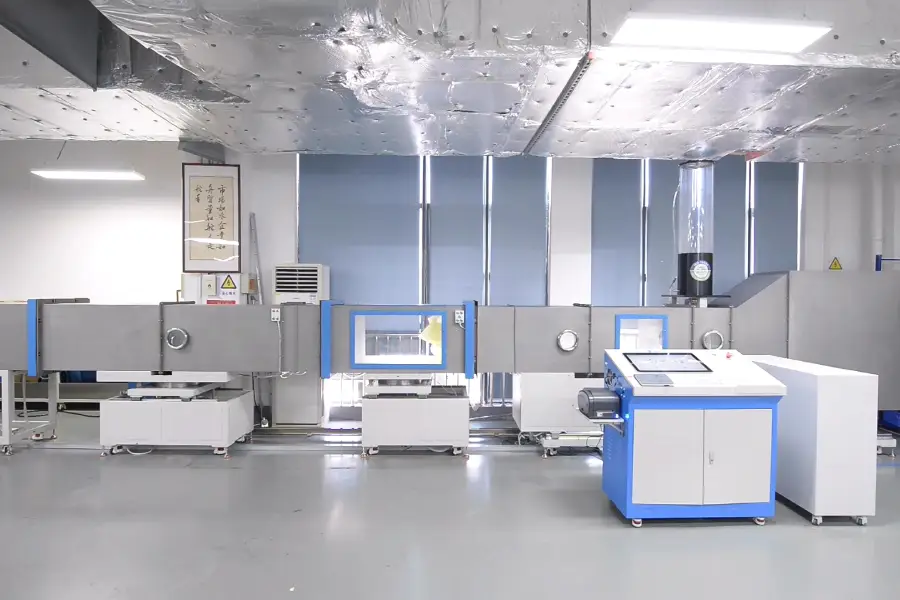
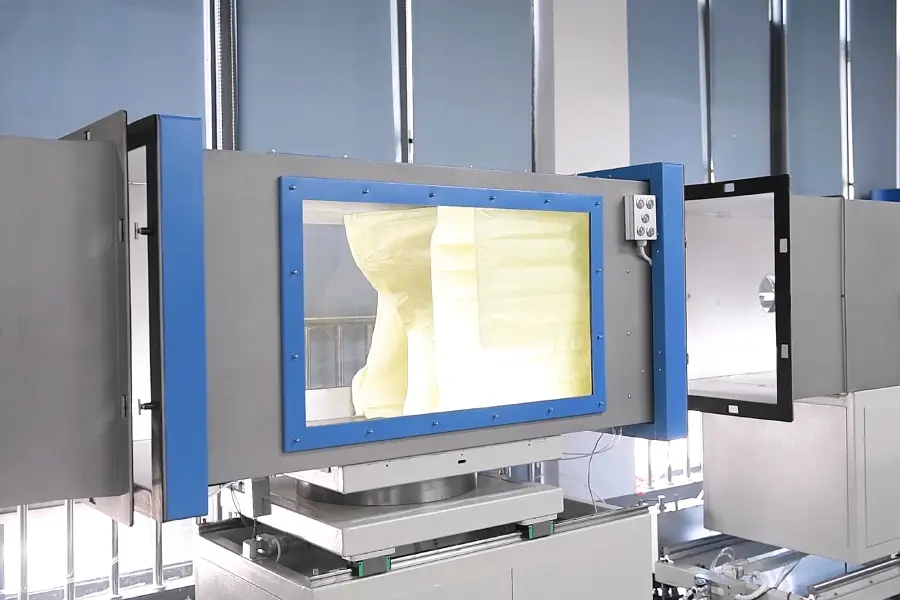
A typical ISO 16890 test system includes several key components. These elements work together to ensure stable aerosol generation and accurate particle measurement during testing.
Airflow Generation and Conditioning Modules

Controlled Airflow Systems

Aerosol Generation Modules

Particle Generation and Measurement Units

Dust Feeder Module

Upstream and Downstream Sampling Systems

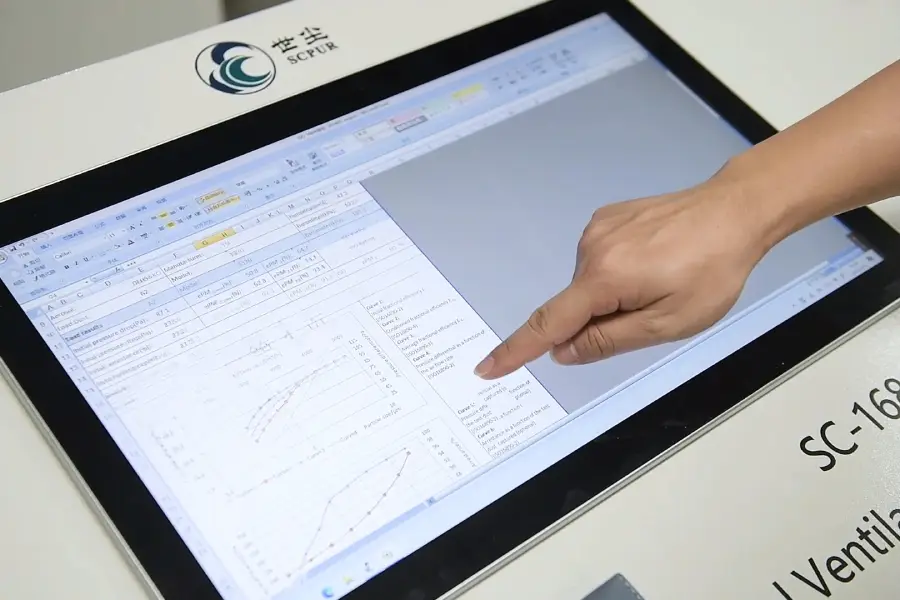
Automated Efficiency Calculation Software

Automated Efficiency Calculation Software

Application in Filter Manufacturin

Application in Filter Manufacturing

Stable and repeatable measurement conditions are essential to ensure that efficiency results reflect actual filter performance. ISO 16890 is widely used for testing filters applied in ventilation systems, including:

ISO 16890 Testing Solutions

Filtration testing systems designed for ISO 16890 procedures typically support:

  • PM1, PM2.5, and PM10 efficiency measurement
  • Automated test procedures
  • Stable aerosol generation
  • Precise particle counting

These systems enable laboratories and manufacturers to perform reliable filter verification according to international standards.

General Ventilation Filter Testing Systems

Discuss Your Filtration Testing Requirements

Tell us your filter type, testing standard, and application scenario.

Our engineers will help you identify the most suitable testing solution — from standard systems to fully customized platforms.

Validate Your Quality with Global Standard Testing Systems

Our experts are ready to engineer a custom solution for you. Tell us about your project, and let’s verify your quality with precision and speed.

Custom R&D & Tailored Solutions

Custom R&D & Tailored Solutions

Compliance with Global Standards

Compliance with Global Standards

100% Self-developed Software System

100% Self-developed Software System

Remote Calibration & Global Support

Remote Calibration & Global Support

Contact Us

*We respect your confidentiality and all information are protected.

Before You Go...

Unsure which international standard applies to your project? Speak with our senior engineers for a personalized technical assessment based on our 10-year industry expertise.

*We respect your confidentiality and all information are protected.