

A motorokhoz és kompresszorokhoz használt légszűrőknek meg kell védeniük a belső alkatrészeket a levegőben szálló portól, miközben fenntartják a működéshez szükséges légáramlást.
ISO 5011:2025 szabványos laboratóriumi eljárásokat biztosít az autóipari és ipari alkalmazásokban használt bemeneti levegő tisztító berendezések teljesítményének összehasonlítására. Meghatározza a vizsgálati feltételeket, felszerelési követelmények, mérési eljárások és jelentési követelmények több fontos jellemző tekintetében:
- Légáramlás korlátozása vagy nyomáskülönbség
- Porgyűjtés hatékonysága
- Porkapacitás
- Olaj áthordása az olajfürdős légszűrőkből
Ez a cikk a fő ISO-t ismerteti 5011 vizsgálati módszerek, a jelentett eredmények jelentése és azok a korlátok, amelyeket figyelembe kell venni a laboratóriumi adatok terepi műveletekre történő alkalmazásakor.
Mi az ISO 5011:2025?
A jelenlegi szabvány teljes címe:
ISO 5011:2025 — Bemeneti levegő tisztító berendezés belső égésű motorokhoz és kompresszorokhoz. — Teljesítményvizsgálat
A 2025 kiadás a szabvány ötödik kiadása, és az ISO helyébe lép 5011:2020.
Célja, hogy egységes laboratóriumi módszereket biztosítson, amelyek lehetővé teszik a légszűrők összehasonlítását ellenőrzött és megismételhető körülmények között. Azokra a bemeneti levegő tisztító berendezésekre vonatkozik, amelyekkel együtt használják:
- Személy- és haszongépjárművek
- Nehéz tehergépjárművek
- Építőipari gépek
- Mezőgazdasági gépek
- Ipari motorok
- Helyhez kötött belső égésű motorok
- Ipari kompresszorok
A tesztobjektum lehet egy szűrőelem, légszűrő szerelvény vagy más bemeneti levegő tisztító konfiguráció, amelyre az egyeztetett vizsgálati program vonatkozik.
Ez a cikk elsősorban a száraz típusú légszűrőkre összpontosít. ISO 5011 magában foglalja az olajfürdős légtisztítók olajáthordási vizsgálatát is, amely eltérő vizsgálati elrendezést igényel.
Milyen teljesítményjellemzőkkel rendelkezik az ISO 5011 Értékelje?
Száraz típusú légtisztítókhoz, a fő teljesítményjellemzők:
- Légáramlás korlátozása
- A kezdeti porgyűjtés hatékonysága
- Teljes élettartamú porgyűjtési hatékonyság
- Növekvő porgyűjtési hatékonyság
- Porkapacitás
Ezek az eredmények a levegőszűrő teljesítményének különböző szempontjait írják le, és együtt kell értékelni őket.
Előfordulhat, hogy egy nagyon alacsony kezdeti korlátozású szűrő nem biztosítja a szükséges porhatékonyságot. A nagy hatásfokú szűrő töltés közben gyorsan szűkülhet. A porkapacitás ezért csak akkor értelmes, ha a hatékonyságot figyelembe vesszük, légáramlás és a megadott végső vizsgálati feltétel.
Légáramlás-korlátozási teszt
A légáramlás korlátozása a légszűrő által keltett ellenállás, amikor a levegő áthalad rajta.
A tesztet meghatározott légáramlási sebességek sorozatával hajtják végre. Minden ponton, fel kell jegyezni a légáramlást és a megfelelő nyomás- vagy nyomáskülönbséget. Az eredményeket általában légáramlás-korlátozási görbeként mutatják be.
Ez a görbe segít a mérnököknek értékelni:
- Tiszta levegőszűrő korlátozása
- Korlátozás a tervezett működési tartományban
- A légáramlás és a nyomásveszteség kapcsolata
- Hogy a légszűrő alkalmas-e a szükséges motor vagy kompresszor légáramhoz
A pontos restrikciós vizsgálathoz stabil légáramlásra van szükség, kalibrált légáramlás mérés, megfelelő nyomásérzékelők és a tesztlégszűrő helyes felszerelése.
A rögzítési elrendezésnek meg kell akadályoznia a bypass szivárgását, és nem deformálhatja el a szűrő vagy a légszűrő házát. A légáramlás irányának és a csatlakozás geometriájának meg kell felelnie a tervezett alkalmazásnak, ha a vizsgálati program megköveteli.
A porgyűjtés hatékonysága gravimetrikus mérés
ISO 5011 a porgyűjtés hatékonysága elsősorban gravimetriás eredmény. Meghatározása a szállított szabványos tesztpor tömegéből és a tesztlégszűrőn áthaladó por tömegéből történik..
Nem szabad összetéveszteni azzal:
- Részecskeszámlálás hatékonysága
- Frakcionális hatásfok részecskeméret szerint
- PM1, PM2,5 vagy PM10 hatékonyság
- Az EPA és HEPA szűrőkhöz használt MPPS hatékonyság
Egy tipikus száraz típusú vizsgálati elrendezés tartalmazza:
- Szabályozott légáramlási rendszer
- Szabványos tesztpor adagoló
- A teszt légszűrő
- Egy downstream abszolút szűrő
- Légáramlás és szűkítés mérése
- Precíziós mérőberendezés
- Adatgyűjtő és számítási szoftver
A teszt során, szabványos por kerül a légszűrő elé. A tesztlégszűrőn áthatoló port az alsó abszolút szűrő gyűjti össze.
Az abszolút szűrőt a megfelelő vizsgálati szakasz előtt és után lemérik. A rögzített tömegadatokat a szállított por mennyiségével együtt használják fel a gravimetrikus porgyűjtés hatékonyságának meghatározására.
Mivel a behatoló por mennyisége kicsi lehet, Az abszolút szűrőkezelés és a súlymérés kritikus az eredmény szempontjából.
Kezdeti porgyűjtési hatékonyság
A kezdeti porgyűjtés hatékonysága a tiszta levegőszűrő teljesítményét értékeli a porexpozíció kezdeti szakaszában.
A teszt még azelőtt információt ad a légszűrőről, mielőtt jelentős porréteg alakulna ki. Ez azért fontos, mert egyes szűrők hatékonyabbá válhatnak, mivel a felfogott por felhalmozódik a szűrőközegen.
Egy tipikus kezdeti hatékonysági eljárás magában foglalja:
- Tiszta próbalégszűrő felszerelése
- A szükséges kezdeti mérések rögzítése
- A megadott légáramlás létrehozása
- Meghatározott mennyiségű szabványosított por szállítása
- A behatoló por összegyűjtése az abszolút szűrővel
- A szükséges alkatrészek lemérése
- A kezdeti gravimetriás hatásfok kiszámítása
Az eredmény a meghatározott laboratóriumi körülmények között végzett teljesítményt írja le. Az egyes részecskeméretekre nem ad frakcionált hatékonyságot.
Teljes élettartamú porgyűjtési hatékonyság
A teljes élettartamú hatékonyság- és kapacitásteszt a levegőszűrőt egy meghatározott porterhelési folyamat során értékeli.
Szabványos tesztpor szabályozott sebességgel kerül adagolásra, miközben a légáramlást és a korlátozást figyelik. A teszt a megadott befejezési feltétel eléréséig folytatódik.
Az alkalmazandó eljárástól függően, a végpontot meghatározhatja:
- Egy meghatározott végső korlátozás
- Meghatározott mennyiségű tesztpor
- A tesztprogram által megengedett másik megállapodás szerinti megszüntetési feltétel
A teszt végén, a teljes szállított port és az áramlásirányban összegyűjtött port használják a teljes élettartamú gravimetriás hatékonyság meghatározására.
A teljes élettartamú hatékonyság átlagos eredmény a teljes töltési időszak alatt. Nem értelmezhető annak bizonyítékaként, hogy a hatékonyság a teszt minden pontján azonos maradt.
Fokozatos porgyűjtési hatékonyság
A növekményes hatásfok megmutatja, hogyan változik a gravimetrikus hatásfok a porterhelés különböző szakaszaiban.
A teljes betöltési folyamat meghatározott intervallumokra van felosztva. Minden intervallumban, a vonatkozó por- és súlyadatokat rögzítik, és meghatározzák az adott szakasz hatékonyságát.
A növekményes eredmények megmutathatják, hogy a hatékonyság:
- A porréteg kialakulásával növekszik
- Rakodás közben stabil marad
- Változások egy adott betöltési szakaszban
- Szivárgás vagy szerkezeti problémák érintik
A növekményes hatékonyságot a meghatározott szakaszokban számítják ki. Ez nem egy folyamatosan mért részecskeszámlálás eredménye.
Ez a megkülönböztetés fontos az automatizált tesztszoftver által megjelenített görbék értelmezésekor. A rendszer folyamatosan megjelenítheti a légáramlást és a korlátozást, míg a gravimetrikus hatékonyság a szükséges mérési adatok megadása vagy lekérése után frissül.
Porkapacitás
A porkapacitás a vizsgálati por mennyisége, amelyet a légszűrő visszatart a meghatározott vizsgálati végpontig.
Néha pormegtartó képességnek is nevezik, de a „porkapacitás” a jelenlegi ISO szabvány áttekintésben használt terminológia.
A porkapacitást befolyásolja:
- Szűrőközeg
- Redős geometria
- Hatékony szűrési terület
- Légáramlás
- Tesztpor típus
- Porkoncentráció
- Végső korlátozás
- Légszűrő konstrukció
- Tömítés és szerelés
A nagyobb porkapacitás eredmény nem jelenti automatikusan azt, hogy a szűrő élettartama arányosan megnövekszik.
A laboratóriumi eredmény ellenőrzött alapot biztosít az azonos körülmények között tesztelt légszűrők összehasonlításához.
Tesztelje a por és a por adagolását
ISO 5011 a tesztelés szabványos tesztport használ. Az alkalmazandó vizsgálati eljárástól és egyeztetett programtól függően, por, például ISO 12103-1 A2 Fine vagy A4 Coarse választható.
Teszt előtt, a következőket kell meghatározni:
- Tesztpor jelölés
- Tesztelje a légáramlást
- Porkoncentráció
- Por adagolási sebesség
- Teszt orientáció
- Hatékonysági vizsgálati szakaszok
- Végső korlátozás
- Egyéb felmondási feltételek
A poradagolónak szabályozott és megismételhető port kell szállítania. A nagy ingadozások befolyásolhatják a terhelési viselkedést, a teszt időtartama és az eredmények összehasonlíthatósága.
A port is megfelelően el kell juttatni a légáramba. A por felhalmozódása a betápláló csőben vagy a tesztcsatornában azt okozhatja, hogy a levegőszűrőt elérő tényleges pormennyiség eltér a tervezett mennyiségtől.
Az abszolút szűrő szerepe
Az alsó abszolút szűrő a mérőrendszer része. Ez nem egyszerűen kipufogó- vagy védőszűrő.
Feladata, hogy összegyűjtse a tesztlégszűrőn áthatoló port, hogy meghatározható legyen az utána lévő por tömege.
Az abszolút szűrő elrendezésnek biztosítania kell:
- Megfelelő begyűjtési hatékonyság
- Megbízható tömítés
- Elegendő porkapacitás
- Ismételhető telepítés
- Kényelmes leszerelés a méréshez
- Minimális porveszteség a kezelés során
Az abszolút szűrőt a mérés előtt és után következetesen kell kezelni. Szennyeződés, nedvességváltozás vagy az összegyűjtött por elvesztése jelentős hibákat okozhat, különösen akkor, ha a behatoló por tömege kicsi.
A vizsgálati eljárástól függően, egynél több abszolút szűrőre lehet szükség egy hosszú terhelési vizsgálat során. Minden szűrőt megfelelően azonosítani kell, és hozzá kell rendelni a megfelelő vizsgálati szakaszhoz.
Súlyozási követelmények
ISO 5011 a tesztelés megkövetelheti a mérlegelést:
- Vizsgálja meg a port
- Abszolút szűrők
- Tesztelje a szűrőelemeket
- Komplett légszűrők
- A meghatározott alkatrészekről összegyűjtött por
A különböző tárgyak tömege nagyon eltérő lehet. Előfordulhat, hogy egy komplett légszűrőhöz megfelelő mérleg nem biztosít elegendő felbontást egy abszolút szűrőhöz.
Ezért egy laboratóriumnak külön mérési tartományokra lehet szüksége:
- Nehéz légszűrők vagy szűrőegységek
- Abszolút szűrők és kisebb mennyiségű összegyűjtött por
Fontos mérlegelési szempontok közé tartozik:
- Egyensúlyi tartomány és felbontás
- Kalibrálás állapota
- Stabil mérési feltételek
- Következetes kezelési idő
- Az egyes lemért komponensek azonosítása
- A porveszteség megelőzése
- Automatikus vagy ellenőrzött kézi adatbevitel
A mérlegleolvasások közvetlen elektronikus leolvasása csökkentheti az átírási hibákat, de nem szünteti meg a megfelelő mérlegelési eljárások szükségességét.
Tesztkörülmények és mérési ellenőrzés
Hogy az eredmények összehasonlíthatóak legyenek, a vizsgálati rendszernek fenn kell tartania a meghatározott feltételeket az alkalmazandó vizsgálati időszak alatt.
A fontos szabályozási paraméterek közé tartozik:
- Légáramlás
- Korlátozás
- Porkoncentráció
- Por adagolási sebesség
- Hőmérséklet
- Légköri nyomás
- Relatív páratartalom
- A teszt időtartama és szakasza
- Végső vizsgálati állapot
A levegő hőmérséklete és légköri nyomása befolyásolja a légáramlás mérését, míg a páratartalom befolyásolhatja a por viselkedését és a mérési stabilitást.
A vizsgálati jelentésnek meg kell határoznia a vonatkozó környezeti és működési feltételeket, hogy az eredmények megfelelően értelmezhetők legyenek.
Mit kell egy ISO 5011 Tesztjelentés tartalmazza?
A jelentés tartalma a tesztprogramtól függ, de általában elegendő információt kell nyújtania a termék azonosításához, reprodukálja a vizsgálati feltételeket, és megértse a jelentett eredményeket.
A jelentés tipikus információi közé tartozik:
- Légszűrő gyártója és típusa
- Tesztminta azonosítása
- Szűrőelem vagy összeállítás leírása
- Teszt tájolása és szerelési elrendezése
- Névleges és teszt légáramlás
- Légáramlás-korlátozási adatok
- Tesztpor típus
- Porkoncentráció és takarmányozási feltételek
- Kezdeti porhatékonyság, ahol tesztelték
- Teljes élettartamú hatékonyság, ahol tesztelték
- Növekvő hatékonysági eredmények, ahol tesztelték
- Porkapacitás
- Kezdeti és végső korlátozás
- Teszt végpont
- Környezeti feltételek
- Teszt dátumai
- Alkalmazható standard kiadás
- Vonatkozó megfigyelések vagy eltérések
A görbéket és a táblázatokat egyértelműen fel kell címkézni. A különböző vizsgálati módszerek eredményeit nem szabad kombinálni a megfelelő eljárás és feltételek meghatározása nélkül.
Milyen ISO 5011 Az eredmények nem jelennek meg
ISO 5011 szabványosított laboratóriumi összehasonlító adatokat szolgáltat. Nem reprodukál közvetlenül minden olyan állapotot, amellyel egy légszűrő üzem közben találkozik.
A laboratóriumi eredmények önmagukban nem határozzák meg:
- Pontos terepi élettartam
- Csereintervallum minden alkalmazáshoz
- Mechanikai tartósság vibráció alatt
- Víz vagy magas páratartalom melletti teljesítmény
- Teljesítmény minden légköri porösszetétel mellett
- A helytelen helyszíni telepítés hatása
- A motor vagy a kompresszor élettartama
A tényleges terepi teljesítményt a helyi porkoncentráció befolyásolhatja, részecske-összetétel, nedvesség, rezgés, karbantartás, működési ciklus és a légáramlási igény változása.
ISO 5011 Az eredményeket ezért a termékfejlesztés és a műszaki kiválasztás részeként kell felhasználni, nem pedig az élettartam közvetlen számításaként.
ISO 5011 és egyéb légszűrő szabványok
ISO 5011 belső égésű motorokhoz és kompresszorokhoz használt bemeneti levegő tisztító berendezésekhez készült.
Más alkalmazások eltérő szabványokat használnak:
- ISO 16890 értékeli az általános szellőztetéshez használt részecskeszűrőket az ePM-besorolások segítségével.
- ISO 29461-1 kiértékeli a statikus levegőbemeneti szűrőelemeket forgógépekhez, például álló gázturbinákhoz és kompresszorokhoz.
- ISO 29463 és EN 1822 értékelje az EPA-t, HEPA és ULPA szűrők, beleértve a teljesítményt az MPPS-nél.
A terméket a tervezett alkalmazásának megfelelően kell tesztelni. A hasonló külső méretek nem jelentik azt, hogy két szűrő ugyanazt a vizsgálati szabványt követeli meg.
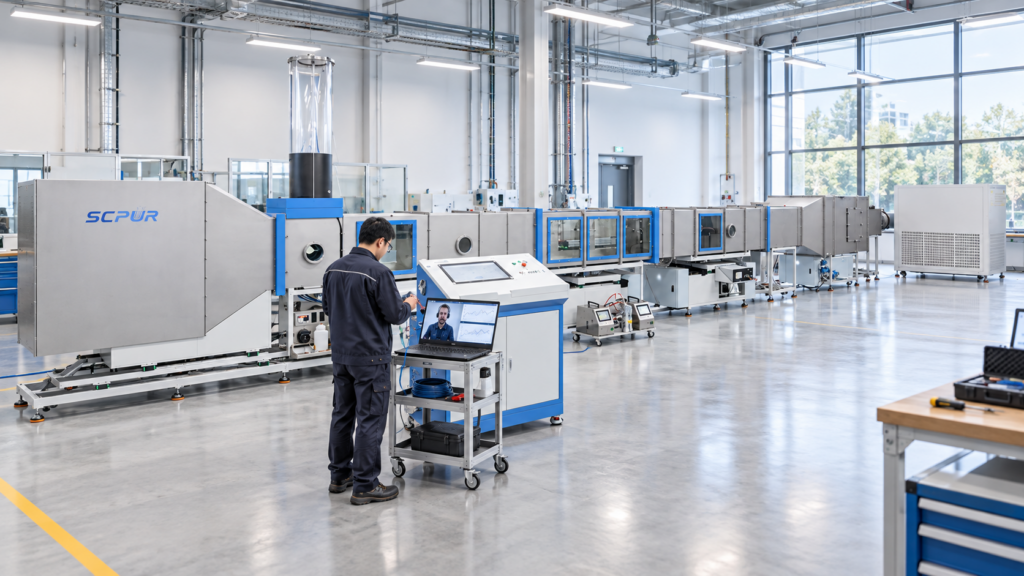
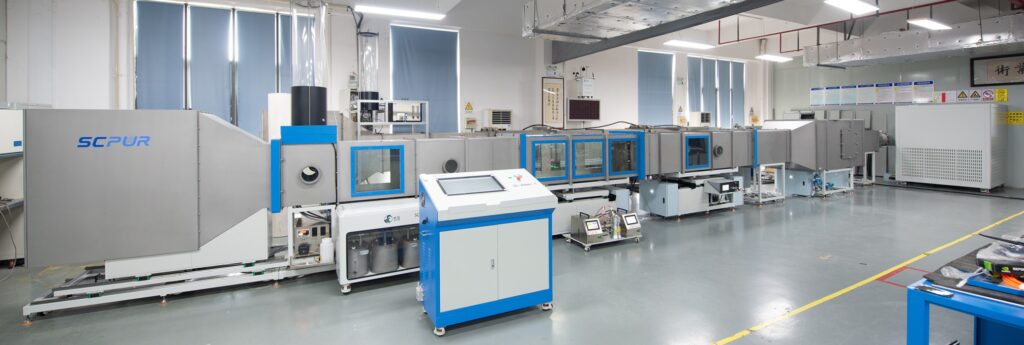
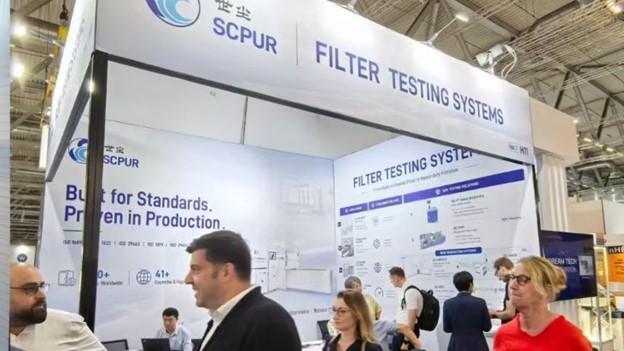
SCPUR SC-5011 tesztrendszer
A SCPUR SC-5011 levegő szívószűrő tesztrendszer az autóiparban használt száraz típusú bemeneti levegőszűrők teljesítményének tesztelésére szolgál, nagy teherbírású és ipari alkalmazásokhoz.
Az egyeztetett konfigurációtól függően, támogatja:
- Légáramlás-korlátozás vizsgálata
- Kezdeti gravimetriás por hatékonyság
- Teljes élettartamú gravimetrikus porhatékonyság
- Növekvő porhatékonyság
- Porkapacitás vizsgálata
- Ellenőrzött por adagolás
- Abszolút szűrő kollekció
- Elektronikus mérési adatgyűjtés
- Automatikus számítás és jelentéskészítés
A szükséges rendszerkonfigurációt a légszűrő méreteinek megfelelően kell kiválasztani, névleges légáramlás, várható korlátozás, tesztpor típusa és a szükséges vizsgálati eljárások.
További információ a rendszer konfigurációjáról és kiválasztásáról, lásd:
Hogyan válasszunk motorlevegőszűrő-vizsgáló berendezést az ISO-hoz 5011
Következtetés
ISO 5011:2025 szabványos laboratóriumi eljárásokat biztosít a belső égésű motorokhoz és kompresszorokhoz használt bemeneti levegő tisztító berendezések összehasonlításához.
Száraz típusú légtisztítókhoz, a fő eredmények közé tartozik:
- Légáramlás korlátozása
- A kezdeti porgyűjtés hatékonysága
- Teljes élettartamú porgyűjtési hatékonyság
- Növekvő porgyűjtési hatékonyság
- Porkapacitás
A hatékonysági eredmények gravimetrikusak, és az ellenőrzött por adagoláson alapulnak, downstream abszolút szűrőgyűjtés és pontos mérés. Ezeket nem szabad összetéveszteni a részecskeszámlálás vagy a frakcionált hatásfok méréseivel.
A helyes értelmezéshez a légáramlás szükséges, tesztpor, porkoncentráció, a hatékonysági szakaszt és a vizsgálati végpontot egyértelműen azonosítani kell.
Helyesen alkalmazva, ISO 5011 A tesztelés megismételhető és értelmes laboratóriumi adatokat szolgáltat a levegőszűrő fejlesztéséhez, összehasonlítás és műszaki kiválasztás – anélkül, hogy igényt tartana a pontos terepi élettartam előrejelzésére.
Vegye fel a kapcsolatot az SCPUR-ral hogy megbeszéljük az ISO-t 5011 vizsgálati követelmények, légszűrő méretei, névleges légáramlás és a szükséges jelentésformátum.
Hivatalos hivatkozás
A vonatkozó szabványos kiadást és a teljes követelményeket a tesztelés előtt meg kell erősíteni.