了解ISO 16890 Air Filter Classification

The International Standard for General Ventilation Air Filters.

>

国际标准化组织 16890

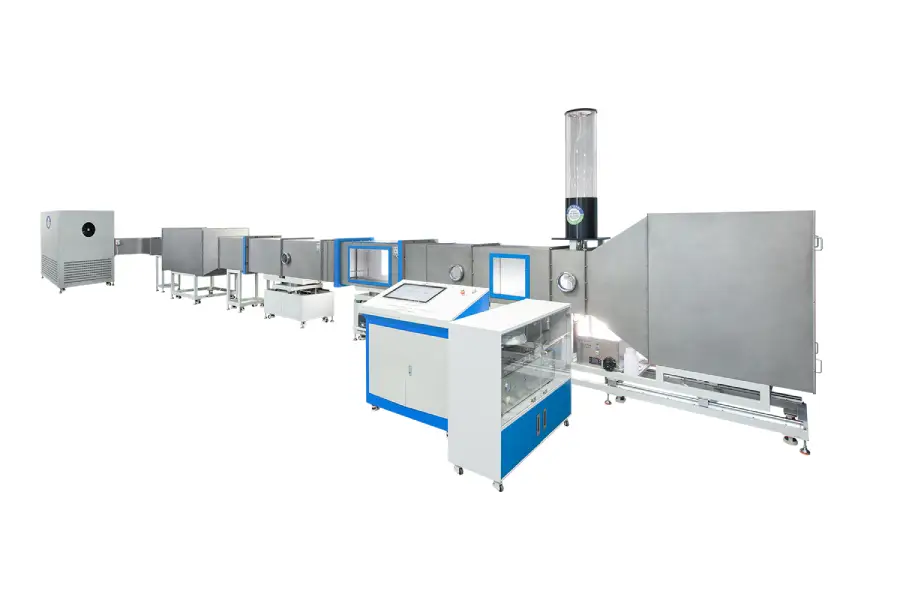
通用通风过滤器测试系统

Overview of the ISO 16890 标准

国际标准化组织 16890 is an international standard used to classify general ventilation air filters based on their efficiency in removing particulate matter from the air. Unlike earlier standards that relied on laboratory particle sizes, 国际标准化组织 16890 evaluates filter performance using particle size ranges that correspond to real atmospheric particulate matter, including PM1, PM2.5, and PM10.

This approach provides a more realistic assessment of filter performance in actual operating environments.

商业楼宇

商业楼宇

Residential Ventilation Systems

Residential Ventilation Systems

Hospitals and Laboratories

Hospitals and Laboratories

Cleanroom Manufacturing

Industrial HVAC Installations

国际标准化组织 16890 Testing Methodology

Particle Size Fractions in ISO 16890

Particle Size Fractions in ISO 16890

国际标准化组织 16890 classification system is based on three particulate matter fractions.

分类 粒径范围
电子PM1 particles ≤ 1 微米
ePM2.5 particles ≤ 2.5 微米
电子PM10 particles ≤ 10 微米

These categories correspond to commonly used air quality indicators for airborne particles. The efficiency reported for each category represents the average removal efficiency of particles within the defined size range.

国际标准化组织 16890 Test Procedure

The test procedure defined in ISO 16890 includes several steps:

  1. measurement of initial filtration efficiency
  2. electrostatic discharge treatment (if applicable)
  3. repeated efficiency measurement after conditioning
  4. calculation of average efficiency values

These steps ensure that filters relying on electrostatic charges are evaluated under realistic long-term performance conditions.

国际标准化组织 16890 过滤器测试系统

Filter Classification Method

Filters are classified according to their measured efficiency after a standardized test procedure. Typical classification examples include:

Filter Class

描述

ISO ePM1

high efficiency for fine particles

ISO ePM2.5

moderate efficiency for fine particles

ISO ePM10

efficiency for larger particles

ISO 粗调

filters primarily removing large dust particles

To be classified as ePM1, ePM2.5, or ePM10, the filter must achieve a minimum average efficiency of 50% for the corresponding particle size fraction.

Typical Test Configuration

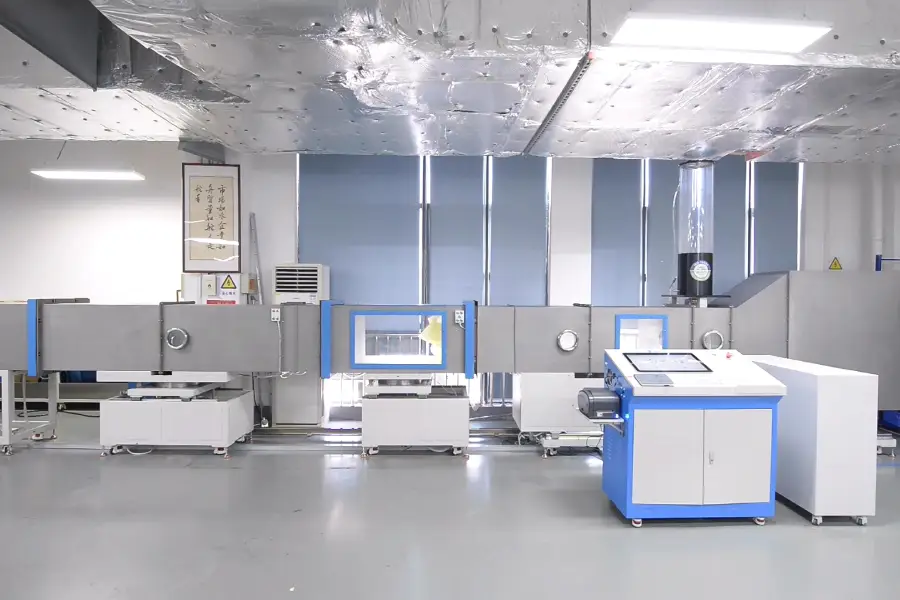
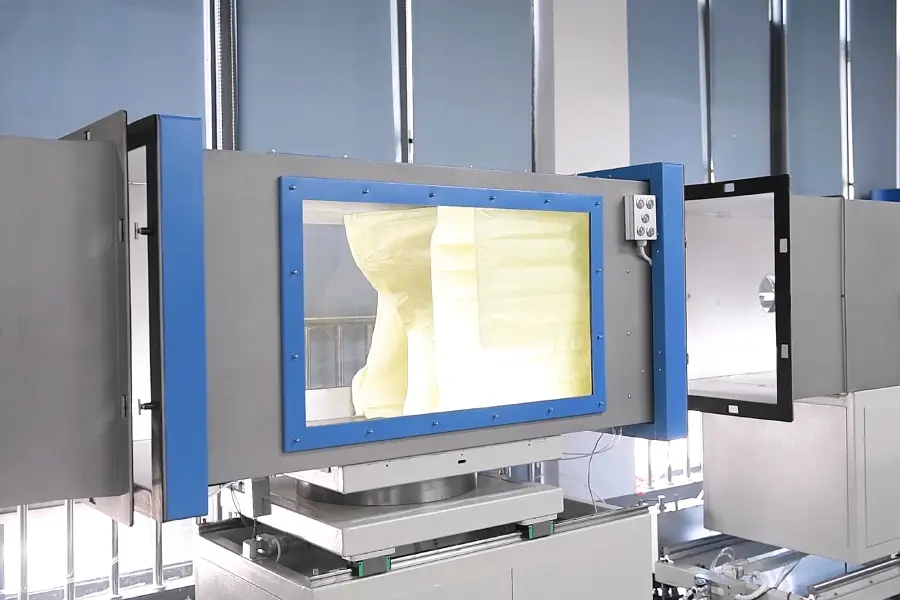
A typical ISO 16890 test system includes several key components. These elements work together to ensure stable aerosol generation and accurate particle measurement during testing.
气流产生和调节模块

Controlled Airflow Systems

气溶胶发生模块

Particle Generation and Measurement Units

除尘器模块

Upstream and Downstream Sampling Systems

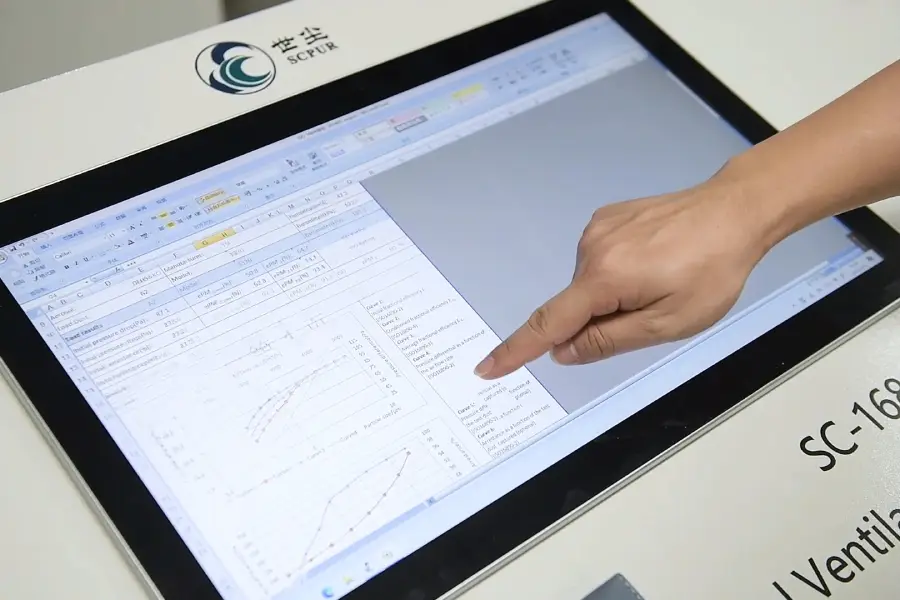
Automated Efficiency Calculation Software

Automated Efficiency Calculation Software

Application in Filter Manufacturin

Application in Filter Manufacturing

Stable and repeatable measurement conditions are essential to ensure that efficiency results reflect actual filter performance. 国际标准化组织 16890 is widely used for testing filters applied in ventilation systems, 包括:

国际标准化组织 16890 Testing Solutions

Filtration testing systems designed for ISO 16890 procedures typically support:

  • 颗粒物1, PM2.5, and PM10 efficiency measurement
  • 自动化测试程序
  • 稳定的气溶胶产生
  • Precise particle counting

These systems enable laboratories and manufacturers to perform reliable filter verification according to international standards.

通用通风过滤器测试系统

讨论您的过滤测试要求

告诉我们您的过滤器类型, 检测标准, 及应用场景.

我们的工程师将帮助您确定最合适的测试解决方案——从标准系统到完全定制的平台.

使用全球标准测试系统验证您的质量

我们的专家随时准备为您设计定制解决方案. 告诉我们您的项目, 让我们以精确度和速度验证您的质量.

定制R&D & 量身定制的解决方案

定制R&D & 量身定制的解决方案

符合全球标准

符合全球标准

100% 自主研发的软件系统

100% 自主研发的软件系统

远程校准 & 全球支持

远程校准 & 全球支持

联系我们

*我们尊重您的机密性,所有信息都受到保护.

在你走之前...

不确定哪个国际标准适用于您的项目? 与我们的高级工程师交谈,根据我们 10 年的行业专业知识进行个性化的技术评估.

*我们尊重您的机密性,所有信息都受到保护.