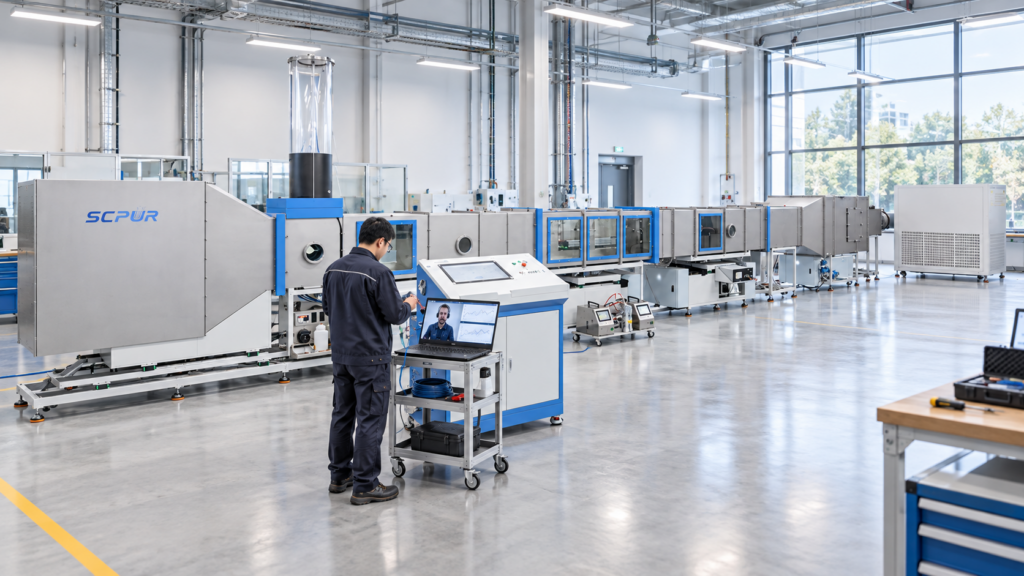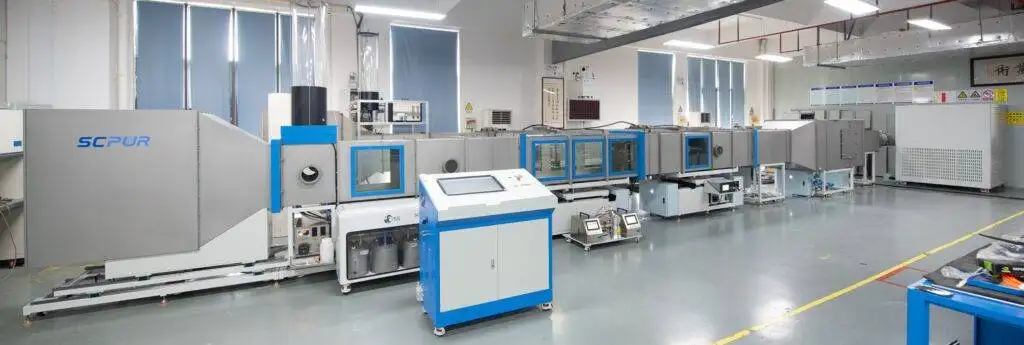


ISO には普遍的な価格はありません 16890 研究室. 実際の予算は、研究所が実行する必要があるテストによって異なります, 対応する必要があるフィルターと、結果から期待されるトレーサビリティのレベル. テストベンチ自体は投資の一部にすぎません.
研究室を定義する'まずは仕事
まず研究室の仕事を定義する
R&D 研究室では、最初に分数効率と圧力降下曲線が必要になる場合があります. 完全な ISO を発行する研究所 16890 分類には、指定された条件付け手順と計算ワークフローも必要です. お客様がダストローディングデータを必要とする場合, 研究室は制御された粉塵供給を追加する必要があります, 計量と抵抗増加の測定. 生産品質管理には検証済みの迅速な方法が使用される場合があります, ただし、その方法は完全な認証として説明されるのではなく、定期的な標準テストと関連付けられる必要があります。.
6 つの主なコスト要因
6 つの主なコスト要因
- 試験範囲: 最大フィルターサイズ, 気流, 圧力損失と効率によってファンの容量が決まります, ダクトと測定システム.
- 粒子測定: エアロゾルの生成, 上流の希釈, 粒度測定, チャネル切り替えとバックグラウンド制御は 1 つの測定チェーンとして機能します.
- コンディショニングとダストローディング: これらは別の機器を追加します, 換気, 重さを量る, 消耗品と清掃作業.
- 施設とユーティリティ: 床面積, 電力, 圧縮空気, 環境管理, 排気ガスとイソプロパノールの安全性は過小評価されることが多い.
- 校正と検証: 流れ, プレッシャー, 粒子と質量の測定には校正が必要です, 一方、リグ全体に漏れがないかチェックする必要がある, 均一性と再現性.
- 継続的な運用: トレーニング, 参考サンプル, フィルター, 消耗品, メンテナンス, ソフトウェアのサポートとダウンタイムはすべて総所有コストに含まれます.
社内ラボが意味を持つのはどのような場合ですか?
社内ラボが意味を持つのはどのような場合ですか?
テスト量が少なく、製品の変更が頻繁でない場合は、アウトソーシングの方が経済的であることがよくあります. R が迅速に行われると、社内ラボの価値が高まります。&外部テストにより D サイクルが遅延するか、工場でバッチを継続的に比較する必要がある. 1年から3年で回収できるという包括的な主張は信頼できない. 収益は外部委託テスト費用に依存します, サンプル量, 機器の使用率, ラボが防止するリードタイムの節約と開発エラーのコスト.
見積もりを依頼する前に要件シートを作成する
見積もりを依頼する前に要件シートを作成する
サンプルの寸法をリストする, 定格風量, 期待される効率と圧力損失, ISO の必須部分 16890, 毎日の検査量, 利用可能なユーティリティ, レポートのニーズと校正の期待. サプライヤーはテスト装置を分離できます, コンディショニング, 粉塵積載, 設備工事および計測サービス. そうして初めて、見積もりは技術的にも商業的にも比較可能になります.
Recommended Test System:SC-16890 一般換気用エアフィルター試験システム