Filtration Testing Standards

International standards define the testing procedures and performance evaluation methods used for air filters across different industries and applications.

Хона

>

Стандарт

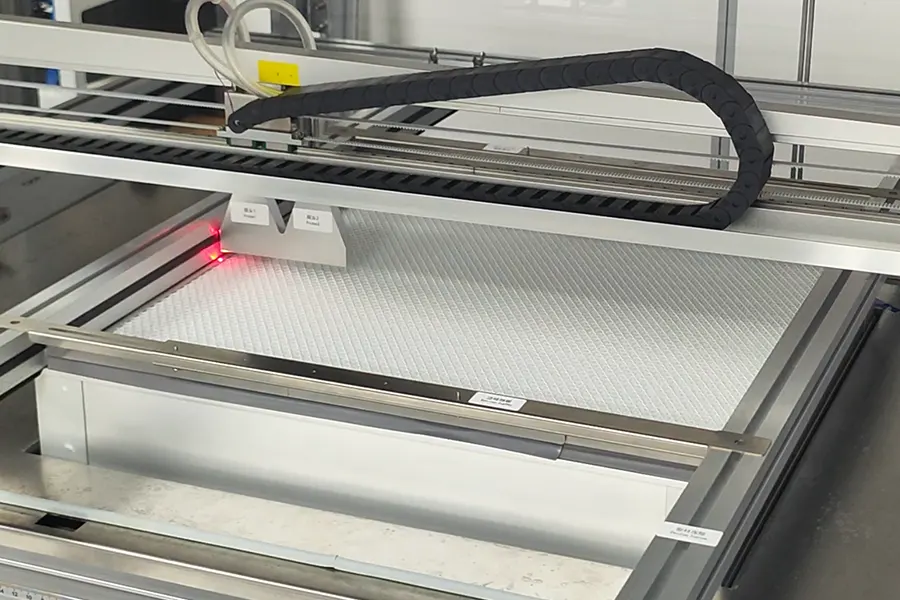
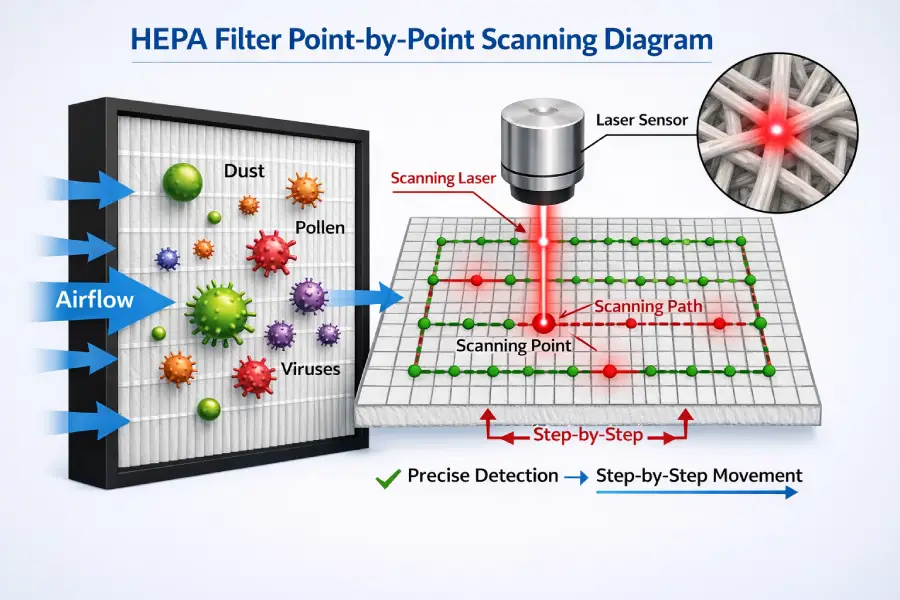
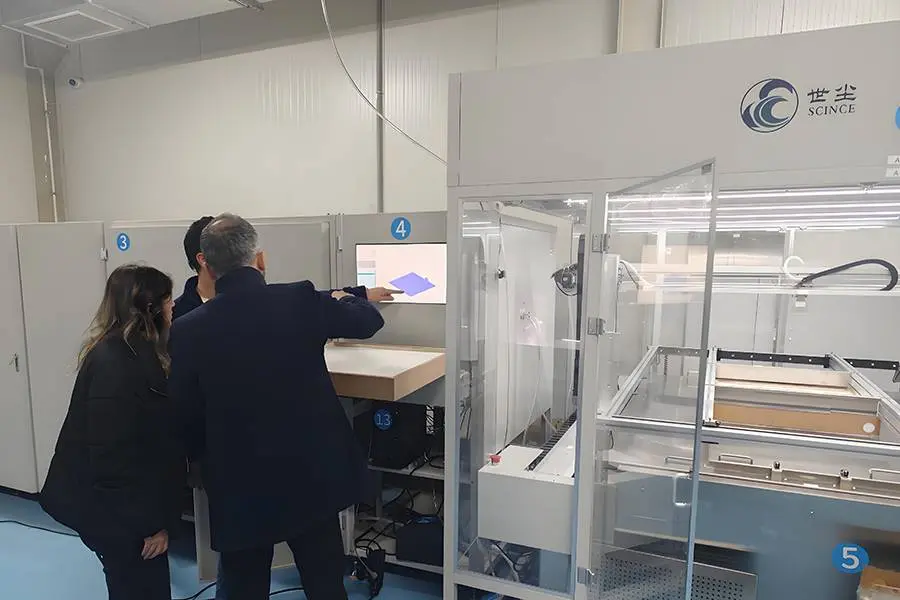
HEPA Filter Scanning Test

High-Efficiency Filters (HEPA / ULPA)

EN1822 / ISO29463

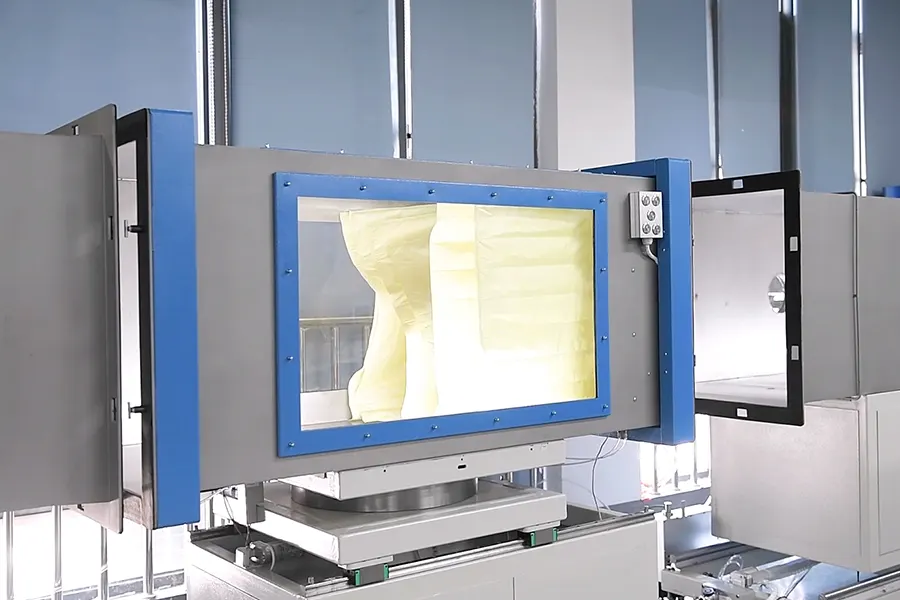
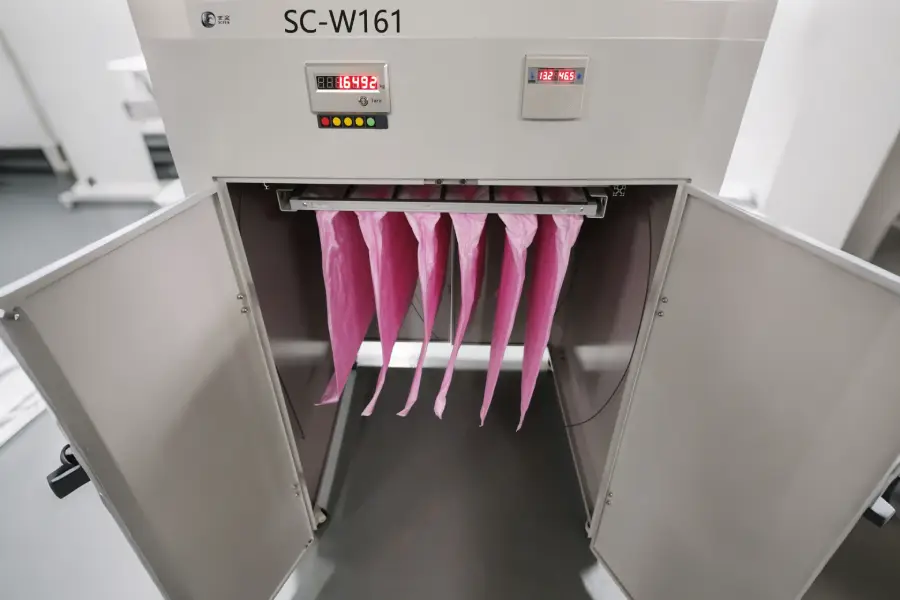
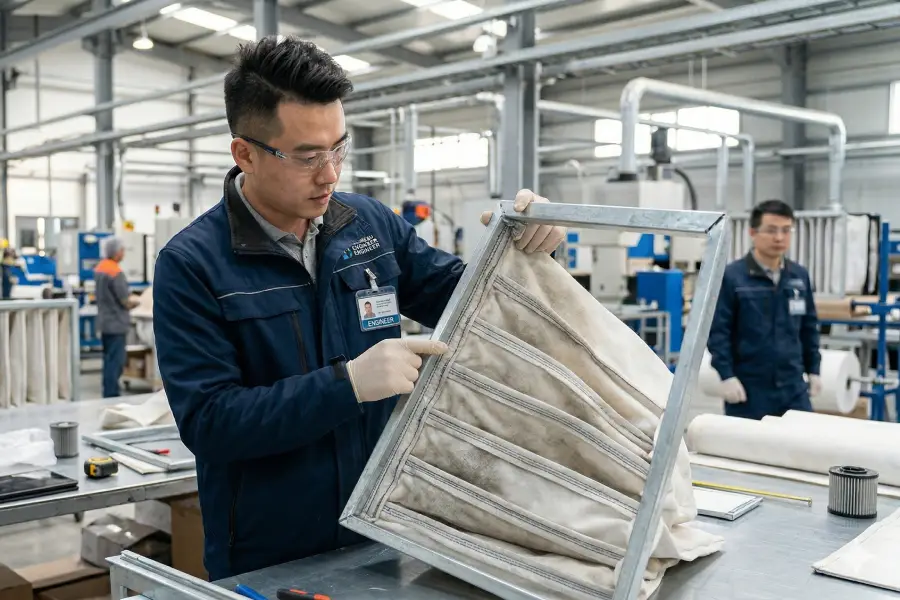
ISO 16890 Bag Filter Testing – Close-up View

General Ventilation Filters (HVAC)

ISO16890 / АШРАЕ 52.2

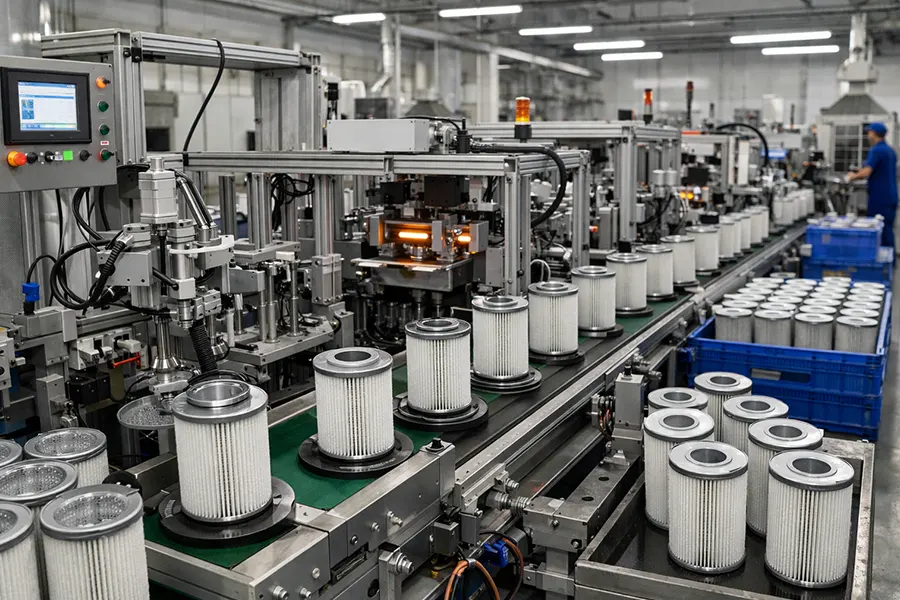
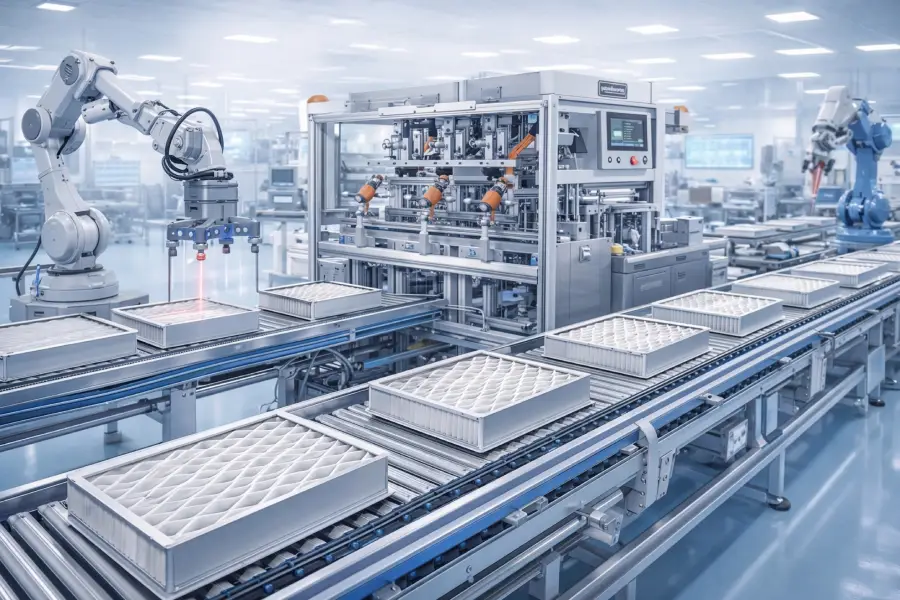
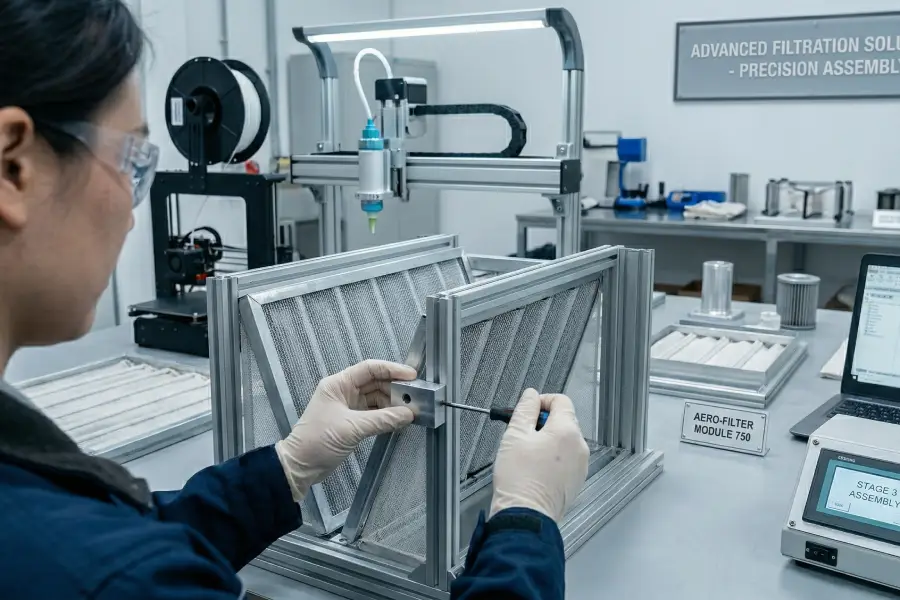
HEPA ULPA Production Lines

Special Filtration Applications (Мотор & Gas Turbine)

ISO 5011 / ISO 29461

High-Efficiency Filters

ДАР 1822

High Efficiency Air Filters (EPA, HEPA and ULPA)

  • Overview: European standard defining testing and classification for high-efficiency air filtration in contamination-controlled environments.
  • Key Method: Measures particle penetration at MPPS (Most Penetrating Particle Size) and conducts local leakage scanning.
  • Classification: E10–E12 (EPA) | H13–H14 (HEPA) | U15–U17 (ULPA).
  • Барномаҳо: Semiconductor cleanrooms, pharmaceutical, biotech, hospital operating rooms.
ISO 29463

International standard for HEPA and ULPA filter testing

  • Overview: Global testing standard that harmonizes practices and is largely aligned with EN 1822.
  • Key Method: Evaluates filters via aerosol generation, particle penetration measurement at MPPS, and leak detection scanning.
  • Classification: Categorized into EPA, HEPA, and ULPA based on efficiency.
  • Барномаҳо: Semiconductor manufacturing, pharmaceutical cleanrooms, precision manufacturing facilities.
Global Service Support

Recommended practices for HEPA and ULPA filter evaluation

  • Overview: Standardizing testing principles and evaluation methods for high-efficiency filtration systems.

General Ventilation Filters

Air filters for general ventilation

Air filters for general ventilation

  • Overview: International standard classifying filters based on particulate matter (PM) removal efficiency for HVAC systems.
  • Key Method: Evaluates particle size efficiency, airflow resistance, and filtration performance after conditioning (electrostatic discharge).
  • Classification: ePM1 (≤1 µm) | ePM2.5 (≤2.5 µm) | ePM10 (≤10 µm) | ISO Coarse.
  • Барномаҳо: Commercial buildings, residential ventilation systems, hospitals, industrial HVAC installations.
Method of testing general ventilation air cleaning devices

Method of testing general ventilation air cleaning devices

  • Overview: Defines testing procedures for evaluating HVAC filters, introducing the widely used MERV classification.
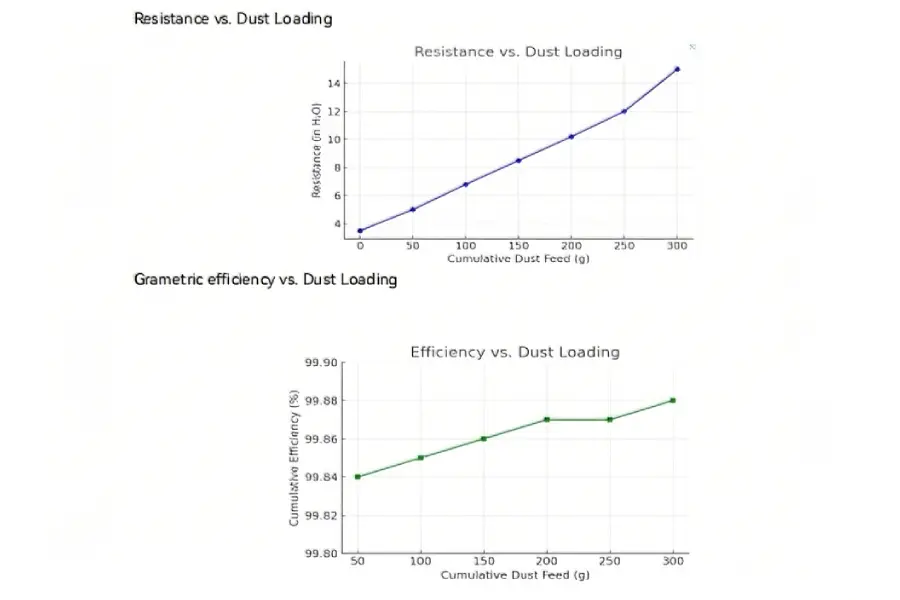
  • Key Method: Measures particle size efficiency, airflow resistance, and dust loading (includes Appendix J to neutralize electrostatic charge).
  • Classification: Uses the MERV rating system (Typical range: MERV 1 – MERV 16).
  • Барномаҳо: Commercial HVAC systems, residential ventilation, institutional buildings, healthcare facilities.
Legacy European filter classification (replaced by ISO 16890)

Legacy European filter classification (replaced by ISO 16890)

Special Filtration Applications

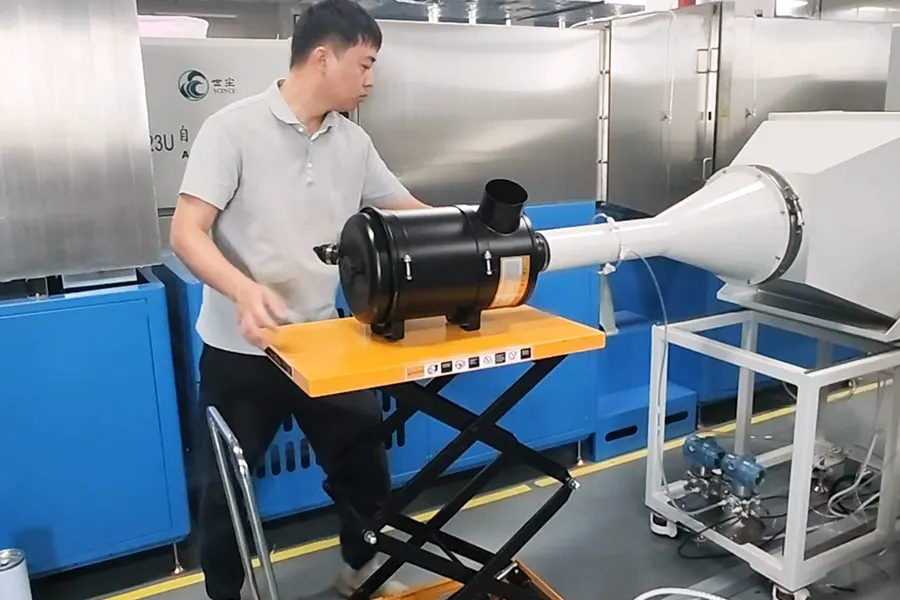
SC-5011 Air Intake Filter Test System

Engine air filter testing

  • Overview: Specifies test procedures for engine air filters, evaluating performance under heavy dust loading conditions.
  • Key Method: Conducts dust loading tests, filtration efficiency measurement, pressure drop monitoring, and dust capacity evaluation.
  • Classification: Does not define strict classes; evaluates specific performance parameters (efficiency, capacity, airflow restriction).
  • Барномаҳо: Automotive industry, heavy machinery, construction equipment, and agricultural machinery.
Gas turbine air filtration systems

Gas turbine air filtration systems

  • Overview: Specifies testing for gas turbine intake filters operating under challenging environments like dust, salt, and moisture.
  • Key Method: Evaluates salt removal efficiency, pressure drop, water separation performance, and conducts environmental conditioning tests.
  • Classification: Evaluates specific parameters rather than classes, including salt removal efficiency, pressure drop, and water separation.
  • Барномаҳо: Gas turbine power generation, offshore energy platforms, and industrial turbine systems.

Ensure Compliance with Global Standards

Understanding international testing standards helps ensure consistent and reliable evaluation of filtration performance across different applications and industries.

Сифати худро бо системаҳои глобалии санҷиши стандартӣ тасдиқ кунед

Мутахассисони мо омодаанд, ки ҳалли фармоиширо барои шумо таҳия кунанд. Дар бораи лоиҳаи худ ба мо нақл кунед, ва биёед сифати шуморо бо дақиқ ва суръат тафтиш кунем.

Фармоишгар Р&Д & Қарорҳои фармоишӣ

Фармоишгар Р&Д & Қарорҳои фармоишӣ

Мутобиқати стандартҳои ҷаҳонӣ

Мутобиқати стандартҳои ҷаҳонӣ

100% Системаи нармафзори худидорашаванда

100% Системаи нармафзори худидорашаванда

Калибрченкунии дурдаст & Дастгирии глобалӣ

Калибрченкунии дурдаст & Дастгирии глобалӣ

Бо мо тамос гиред

*Мо махфияти шуморо эҳтиром мекунем ва ҳама маълумот ҳифз карда мешавад.

Пеш аз рафтан...

Боварӣ надоред, ки кадом стандарти байналмилалӣ ба лоиҳаи шумо татбиқ мешавад? Бо муҳандисони калони мо барои баҳодиҳии техникии фардӣ дар асоси таҷрибаи 10-солаи мо сӯҳбат кунед.

*Мо махфияти шуморо эҳтиром мекунем ва ҳама маълумот ҳифз карда мешавад.