

Hiệu suất lọc và giảm áp suất là hai trong số những đặc tính hiệu suất quan trọng nhất của bộ lọc không khí.
Hiệu quả mô tả mức độ hiệu quả của bộ lọc loại bỏ các hạt. Giảm áp suất mô tả điện trở được tạo ra khi không khí đi qua bộ lọc.
Những kết quả này phải được đánh giá cùng nhau, nhưng mối quan hệ không đơn giản như “hiệu suất cao hơn luôn đồng nghĩa với việc giảm áp suất cao hơn”.
Tại sao hiệu suất và giảm áp suất có liên quan với nhau
Bộ lọc phải đưa các hạt trong không khí tiếp xúc với sợi hoặc các bề mặt thu thập khác. Tăng mật độ sợi hoặc giảm kích thước lỗ chân lông có thể cải thiện khả năng thu giữ hạt, nhưng nó cũng có thể hạn chế luồng không khí.
Tuy nhiên, thiết kế bộ lọc cung cấp những cách khác để cải thiện hiệu suất. Nhà sản xuất có thể tăng diện tích truyền thông hiệu quả, tối ưu hóa cấu trúc sợi hoặc cải thiện hình dạng nếp gấp để đạt được hiệu quả cao hơn mà không tăng sức cản tương tự.
Đây là lý do tại sao hai bộ lọc có cùng phân loại ISO ePM có thể có mức giảm áp suất khác nhau.
Năm yếu tố ảnh hưởng đến kết quả
1. Cấu trúc phương tiện lọc
Đường kính sợi, mật độ đóng gói, độ dày và tính chất tĩnh điện ảnh hưởng đến cả hiệu quả và khả năng chống chịu.
Môi trường cơ học đậm đặc và môi trường tổng hợp tích điện có thể đạt được hiệu suất ban đầu tương tự thông qua các cơ chế bắt khác nhau. Hiệu suất có điều kiện của họ có thể khác nhau.
2. Khu vực truyền thông hiệu quả
Việc tăng lượng vật liệu làm giảm vận tốc trung bình qua vật liệu ở cùng một luồng khí lọc.
Vận tốc phương tiện truyền thông thấp hơn có thể làm giảm sự sụt giảm áp suất và có thể thay đổi hiệu suất phân đoạn. Hiệu quả phụ thuộc vào kích thước hạt và cơ chế bắt chiếm ưu thế.
3. Hình học nếp gấp
Chiều cao nếp gấp, khoảng cách và độ ổn định xác định lượng phương tiện đã cài đặt được sử dụng hiệu quả.
Các nếp gấp quá gần nhau có thể hạn chế luồng không khí và tạo ra các luồng không đều. Các nếp gấp bị biến dạng có thể làm giảm diện tích phương tiện hữu ích ngay cả khi tổng số lượng phương tiện được cài đặt không thay đổi.
4. Kiểm tra luồng không khí
Giảm áp suất tăng khi luồng không khí tăng. Hiệu suất phân đoạn cũng có thể thay đổi theo vận tốc bề mặt và vận tốc phương tiện.
Do đó, hiệu suất và sức cản phải luôn được so sánh ở cùng một luồng không khí, kích thước bộ lọc và điều kiện thử nghiệm.
Không thể sử dụng kết quả đo được ở luồng khí thấp hơn như thể kết quả đo được ở luồng khí định mức của sản phẩm.
5. Tải bụi
Khi bụi tích tụ, giảm áp suất thường tăng. Hiệu quả cũng có thể thay đổi khi các hạt lắng đọng bên trong hoặc trên môi trường lọc.
Kết quả phụ thuộc vào phương tiện truyền thông, bụi, luồng không khí và quy trình tải. Dữ liệu về lượng bụi trong phòng thí nghiệm cung cấp sự so sánh có kiểm soát, nhưng chúng không dự đoán trực tiếp tuổi thọ sử dụng chính xác của bộ lọc trong mỗi lần lắp đặt.
Những gì nên được đo lường?
Để đánh giá sản phẩm hoàn chỉnh, nhà sản xuất nên cân nhắc:
- Hiệu quả phân số theo kích thước hạt
- Hiệu quả ban đầu
- Hiệu quả điều hòa khi cần thiết
- Giảm áp suất ở luồng không khí định mức
- Đường cong giảm áp suất trên phạm vi luồng không khí yêu cầu
- Sức đề kháng so với khối lượng bụi bị bắt
- Công suất bụi tại điểm cuối được chỉ định
- Cấu trúc bộ lọc và tính toàn vẹn của niêm phong
ISO 16890 sử dụng dữ liệu hiệu suất phân đoạn ban đầu và có điều kiện để phân loại ePM. Tải bụi là một thử nghiệm riêng biệt để đánh giá hiệu suất trọng lượng và sự phát triển khả năng chống chịu.
Nên so sánh hai bộ lọc như thế nào?
Một so sánh hợp lệ yêu cầu giống nhau:
- Tiêu chuẩn kiểm tra
- Kích thước bộ lọc
- Luồng khí
- Bình xịt hoặc bụi thử nghiệm
- Trạng thái điều hòa
- Đang tải điểm cuối
- Quy trình đo
Chỉ so sánh phần trăm hiệu quả được quảng cáo có thể gây hiểu nhầm. Bộ lọc có hiệu suất cao hơn một chút nhưng điện trở cao hơn đáng kể có thể không phải là thiết kế tốt nhất cho hệ thống dự định.
Thay vào đó, các nhà sản xuất nên tìm kiếm sự kết hợp ổn định giữa:
- Hiệu suất loại bỏ hạt cần thiết
- Sức đề kháng ban đầu chấp nhận được
- Kiểm soát sự phát triển sức đề kháng
- Dung tích bụi phù hợp
- Chất lượng sản xuất lặp lại
Hệ thống kiểm tra phải kiểm soát những gì?
Hiệu quả chính xác và thử nghiệm giảm áp suất đòi hỏi:
- Luồng khí ổn định
- Lấy mẫu đại diện ở thượng nguồn và hạ nguồn
- Nồng độ khí dung đồng đều
- Phạm vi máy đếm hạt phù hợp
- Pha loãng đúng khi cần thiết
- Đo áp suất hiệu chuẩn
- Rò rỉ ống dẫn và thiết bị cố định thấp
- Tính toán dữ liệu đáng tin cậy
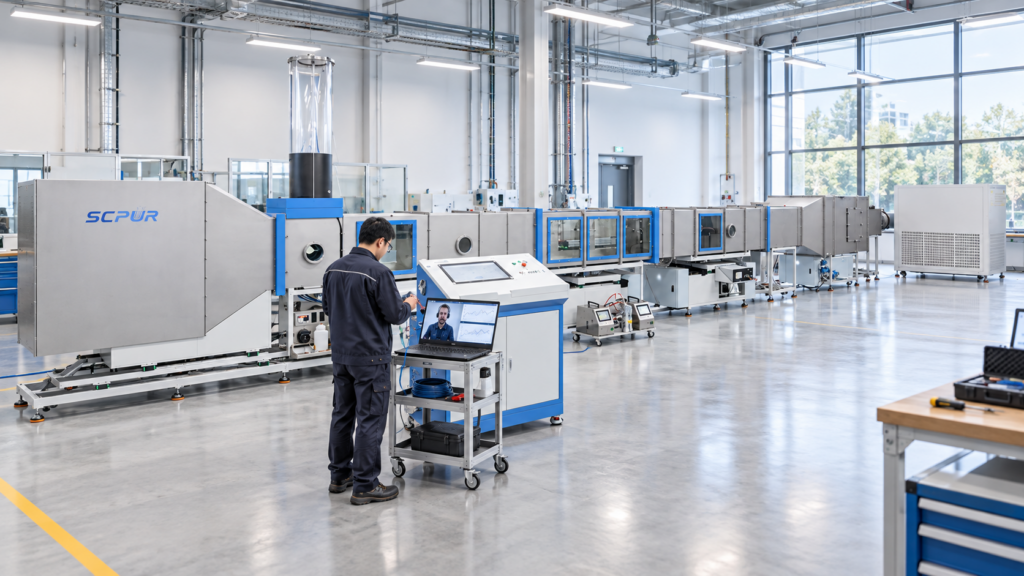
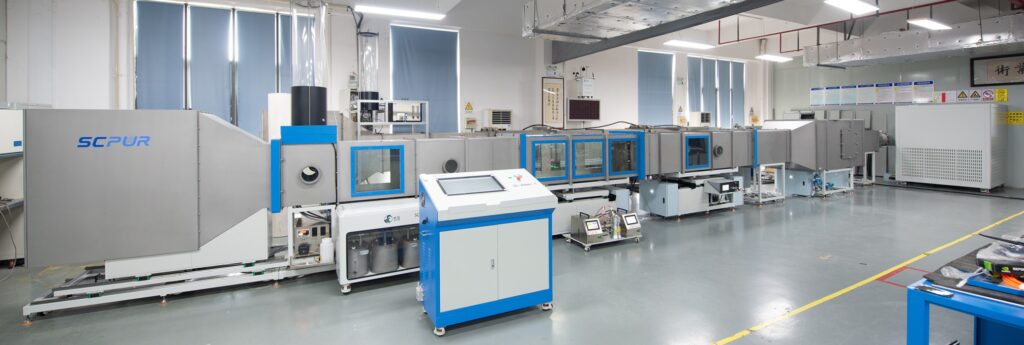
Hệ thống kiểm tra SCPUR giúp các nhà sản xuất bộ lọc so sánh các phương tiện truyền thông, thiết kế nếp gấp và cấu trúc bộ lọc hoàn chỉnh trong điều kiện luồng không khí và hạt được kiểm soát. Điều này cho phép các quyết định thiết kế dựa trên hiệu suất đo được thay vì chỉ hiệu quả hoặc giảm áp suất.