Understanding MERV Ratings in ASHRAE 52.2

The Standard for Evaluating HVAC Air Filter Performance.

Home

>

ASHRAE 52.2

AHU Manufacturers

Overview of the ASHRAE 52.2 Standard

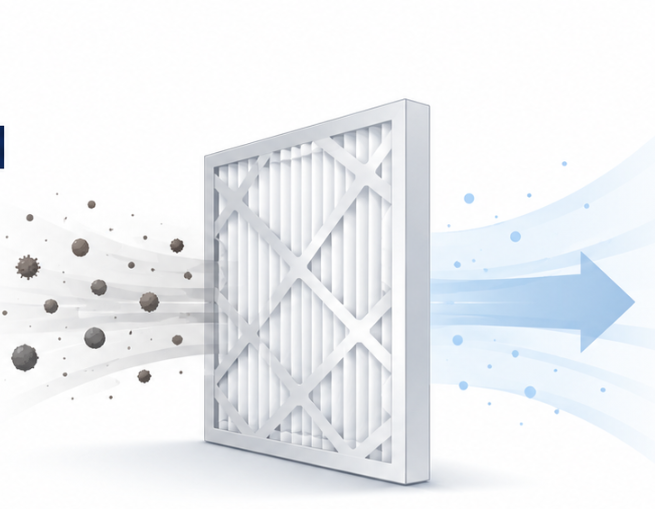
ASHRAE 52.2 is a widely used standard for evaluating the performance of air filters used in heating, ventilation, and air-conditioning (HVAC) systems. The standard defines procedures for measuring the particle removal efficiency of filters and classifying them according to the Minimum Efficiency Reporting Value (MERV).

“The MERV rating helps users compare filter performance in removing particles of different sizes.”

Commercial Buildings

Commercial HVAC Systems

Residential Ventilation Systems

Residential Ventilation Systems

Hospitals and Laboratories

Hospitals and Healthcare Facilities

Cleanroom Manufacturing

Industrial Ventilation Systems

Key Concepts and Test Procedures in ASHRAE 52.2

Controlled Stability & Precise Measuremen

What Is MERV Rating?

MERV stands for Minimum Efficiency Reporting Value. The MERV rating indicates how effectively a filter removes particles from the air across several particle size ranges. ASHRAE 52.2 evaluates filtration efficiency using three particle size groups:

Particle Size Range Typical Sources
0.3 – 1 µm fine dust, smoke
1 – 3 µm bacteria, fine particles
3 – 10 µm pollen, mold spores

ASHRAE 52.2 Test Procedure & Appendix J

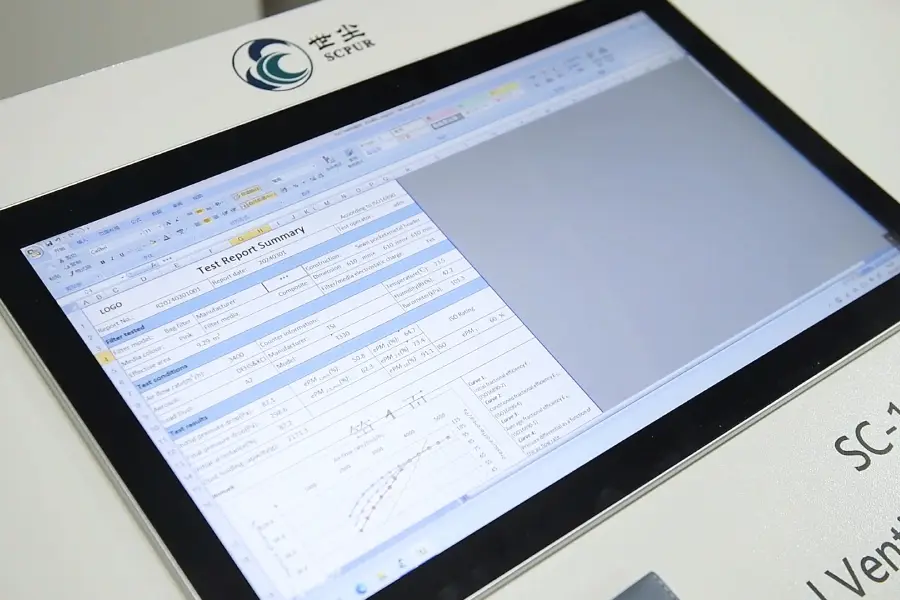
The standard defines a controlled test method to evaluate filter performance. Key elements of the test include:

  • controlled airflow through the filter
  • particle size measurement upstream and downstream
  • calculation of particle removal efficiency for each size range
  • evaluation of pressure drop across the filter

The results are used to determine the MERV classification.

Electrostatic Discharge and Appendix J

Some filters rely on electrostatic charge to enhance particle capture. ASHRAE 52.2 includes Appendix J, which introduces a conditioning procedure to reduce electrostatic charge before testing. This process helps ensure that filter performance reflects long-term operating conditions rather than temporary electrostatic effects.

Automated Simulation for Lifetime Evaluation

Typical MERV Classification Levels

The MERV scale ranges from 1 to 16, with higher values indicating higher filtration efficiency. Typical examples include:

MERV Rating

Typical Application

MERV 6 – 8

residential HVAC systems

MERV 9 – 12

commercial buildings

MERV 13 – 16

hospitals and high-performance ventilation

Higher MERV filters provide improved removal of fine particles but may also introduce higher airflow resistance.

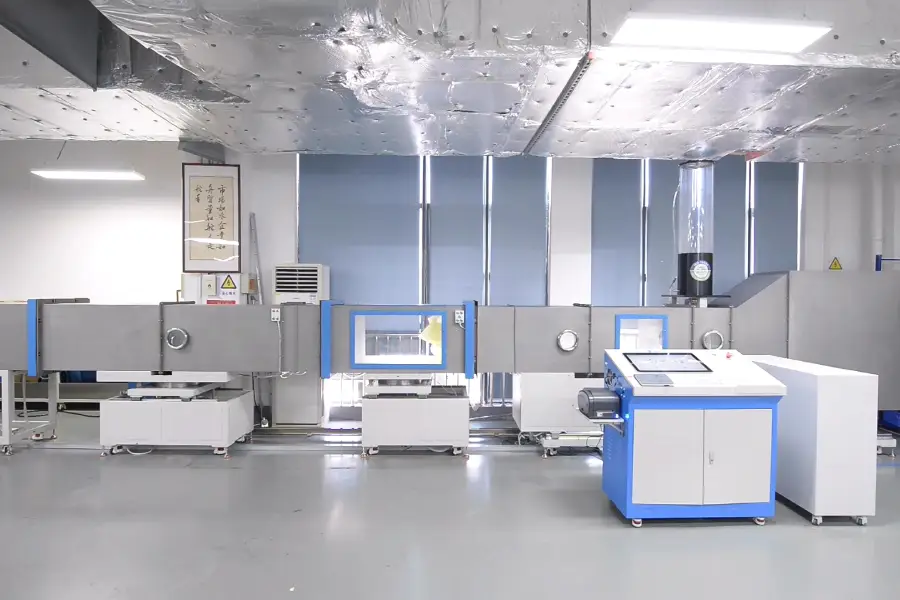
Testing Systems for ASHRAE 52.2

Testing systems designed for ASHRAE 52.2 procedures typically include:
Airflow Generation and Conditioning Modules

Controlled Airflow Systems

Aerosol Generation Modules

Particle Generation and Measurement Equipment

Upstream and Downstream Sampling Systems

Upstream and Downstream Sampling Systems

Pressure Drop Measurement Devices

Pressure Drop Measurement Devices

Particle Size Fractions in ISO 16890

Application in Air Filter Testing

Reliable and repeatable testing conditions are essential to ensure accurate MERV classification results. ASHRAE 52.2 testing is widely used for evaluating filters used in ventilation systems. Manufacturers and laboratories use the standard to:

ASHRAE 52.2 Testing Solutions

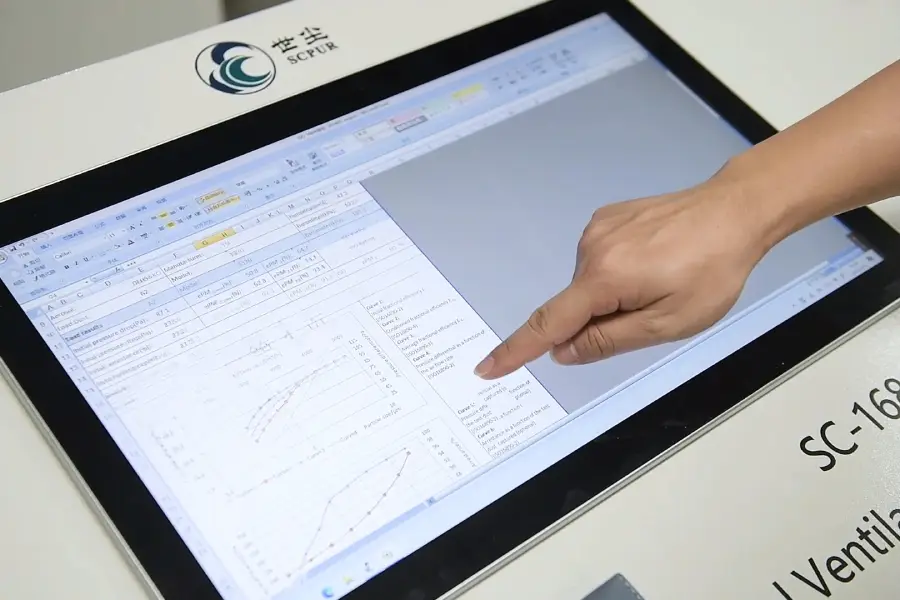
Filtration testing systems designed for ASHRAE 52.2 procedures typically support:

  • MERV Classification Measurement (E1, E2, E3)
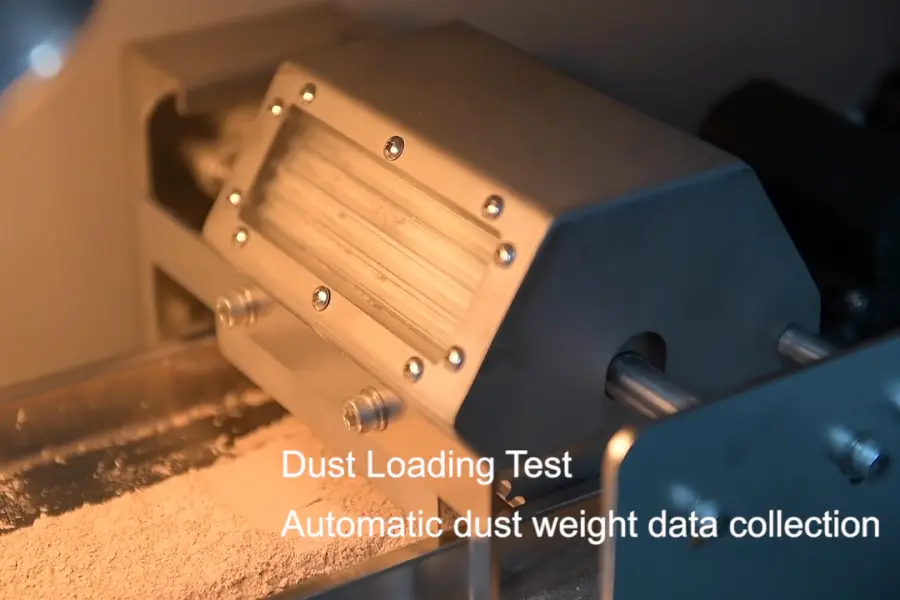
  • Dust Loading and Pressure Drop Evaluation
  • Stable Aerosol Generation
  • Precise Particle Counting

These systems enable laboratories and manufacturers to perform reliable filter verification according to international standards.

ISO 16890 Filter Testing Systems

Discuss Your Filtration Testing Requirements

Tell us your filter type, testing standard, and application scenario.

Our engineers will help you identify the most suitable testing solution — from standard systems to fully customized platforms.

Validate Your Quality with Global Standard Testing Systems

Our experts are ready to engineer a custom solution for you. Tell us about your project, and let’s verify your quality with precision and speed.

Custom R&D & Tailored Solutions

Custom R&D & Tailored Solutions

Compliance with Global Standards

Compliance with Global Standards

100% Self-developed Software System

100% Self-developed Software System

Remote Calibration & Global Support

Remote Calibration & Global Support

Contact Us

*We respect your confidentiality and all information are protected.

Before You Go...

Unsure which international standard applies to your project? Speak with our senior engineers for a personalized technical assessment based on our 10-year industry expertise.

*We respect your confidentiality and all information are protected.