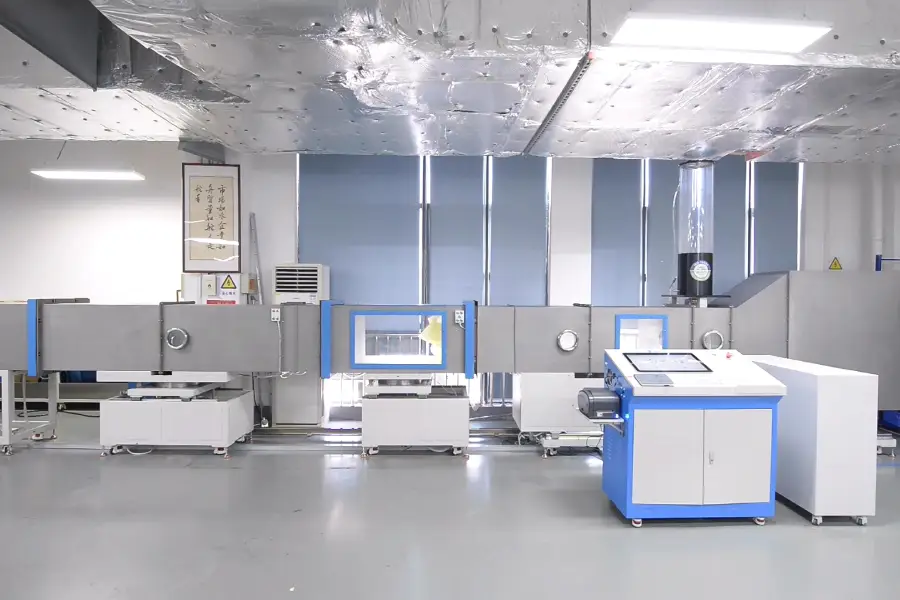
De standaard voor het evalueren van de prestaties van HVAC-luchtfilters.
Overzicht van de ASHRAE 52.2 Standaard
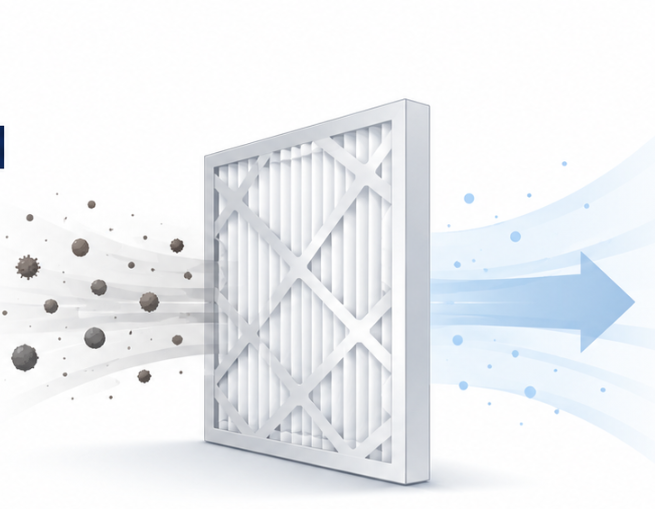
ASHRAE 52.2 is een veelgebruikte norm voor het evalueren van de prestaties van luchtfilters die bij verwarming worden gebruikt, ventilatie, en airconditioning (HVAC) systemen. De norm definieert procedures voor het meten van de deeltjesverwijderingsefficiëntie van filters en classificeert deze volgens de Minimum Efficiency Reporting Value (MERV).
“De MERV-beoordeling helpt gebruikers de filterprestaties te vergelijken bij het verwijderen van deeltjes van verschillende groottes.”
Commerciële HVAC-systemen
Ventilatiesystemen voor woningen
Ziekenhuizen en zorginstellingen
Industriële ventilatiesystemen
Sleutelconcepten en testprocedures in ASHRAE 52.2
Wat is MERV-beoordeling?
MERV staat voor Minimum Efficiency Reporting Value. De MERV-beoordeling geeft aan hoe effectief een filter deeltjes uit de lucht verwijdert over verschillende deeltjesgroottebereiken. ASHRAE 52.2 evalueert de filtratie-efficiëntie met behulp van drie deeltjesgroottegroepen:
Deeltjesgroottebereik
Typische bronnen
0.3 – 1 µm
fijn stof, rook
1 – 3 µm
bacteriën, fijne deeltjes
3 – 10 µm
stuifmeel, schimmelsporen
ASHRAE 52.2 Testprocedure & Bijlage J
De norm definieert een gecontroleerde testmethode om de filterprestaties te evalueren. Belangrijke elementen van de test zijn onder meer:
gecontroleerde luchtstroom door het filter
deeltjesgroottemeting stroomopwaarts en stroomafwaarts
berekening van de deeltjesverwijderingsefficiëntie voor elk groottebereik
evaluatie van de drukval over het filter
De resultaten worden gebruikt om de MERV-classificatie te bepalen.
Elektrostatische ontlading en bijlage J
Sommige filters zijn afhankelijk van elektrostatische lading om de deeltjesvangst te verbeteren. ASHRAE 52.2 bevat bijlage J, die een conditioneringsprocedure introduceert om de elektrostatische lading vóór het testen te verminderen. Dit proces zorgt ervoor dat de filterprestaties de bedrijfsomstandigheden op de lange termijn weerspiegelen in plaats van tijdelijke elektrostatische effecten.
Typische MERV-classificatieniveaus
De MERV-schaal varieert van 1 naar 16, waarbij hogere waarden een hogere filtratie-efficiëntie aangeven. Typische voorbeelden zijn onder meer:
MERV-beoordeling
Typische toepassing
MERV 6 – 8
residentiële HVAC-systemen
MERV 9 – 12
commerciële gebouwen
MERV 13 – 16
ziekenhuizen en hoogwaardige ventilatie
Hogere MERV-filters zorgen voor een betere verwijdering van fijne deeltjes, maar kunnen ook een hogere luchtstroomweerstand introduceren.
Testsystemen voor ASHRAE 52.2
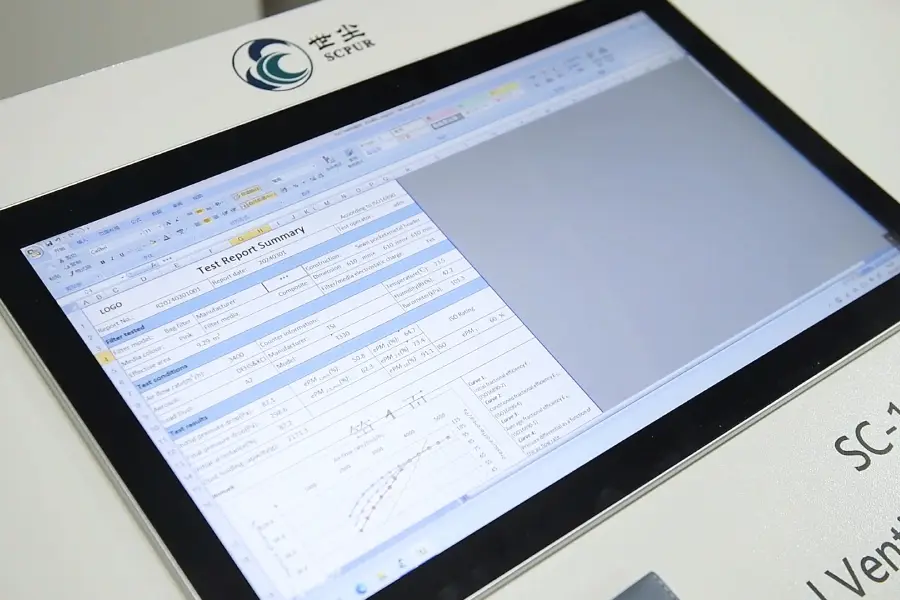
Testsystemen ontworpen voor ASHRAE 52.2 procedures omvatten doorgaans:
Gecontroleerde luchtstroomsystemen
Apparatuur voor het genereren en meten van deeltjes
Stroomopwaartse en stroomafwaartse bemonsteringssystemen
Apparaten voor het meten van drukval
Toepassing bij het testen van luchtfilters
Betrouwbare en herhaalbare testomstandigheden zijn essentieel om nauwkeurige MERV-classificatieresultaten te garanderen. ASHRAE 52.2 testen wordt veel gebruikt voor het evalueren van filters die in ventilatiesystemen worden gebruikt. Fabrikanten en laboratoria gebruiken de standaard om:
ASHRAE 52.2 Oplossingen testen
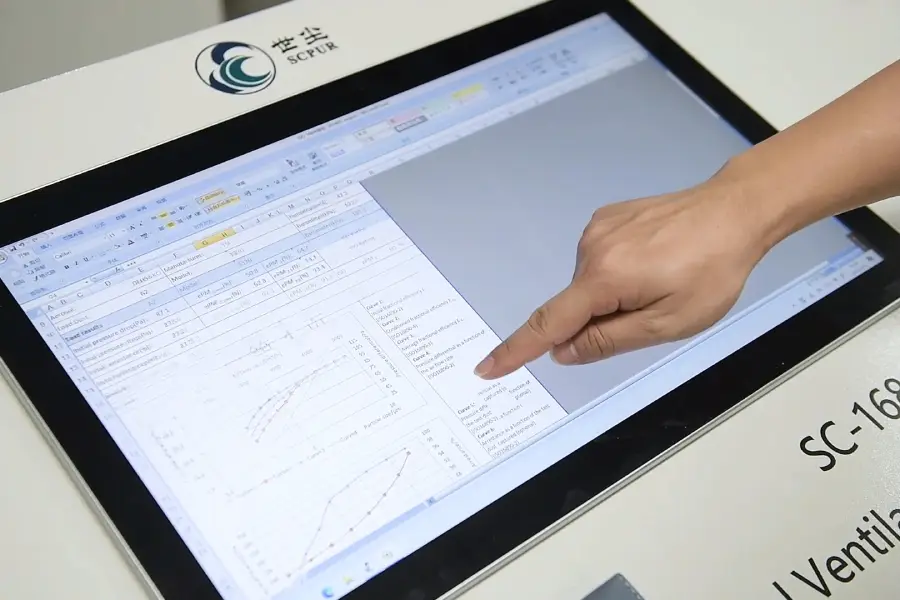
Filtratietestsystemen ontworpen voor ASHRAE 52.2 procedures doorgaans ondersteunen:
MERV Classificatie Mopmeting (E1, E2, E3)
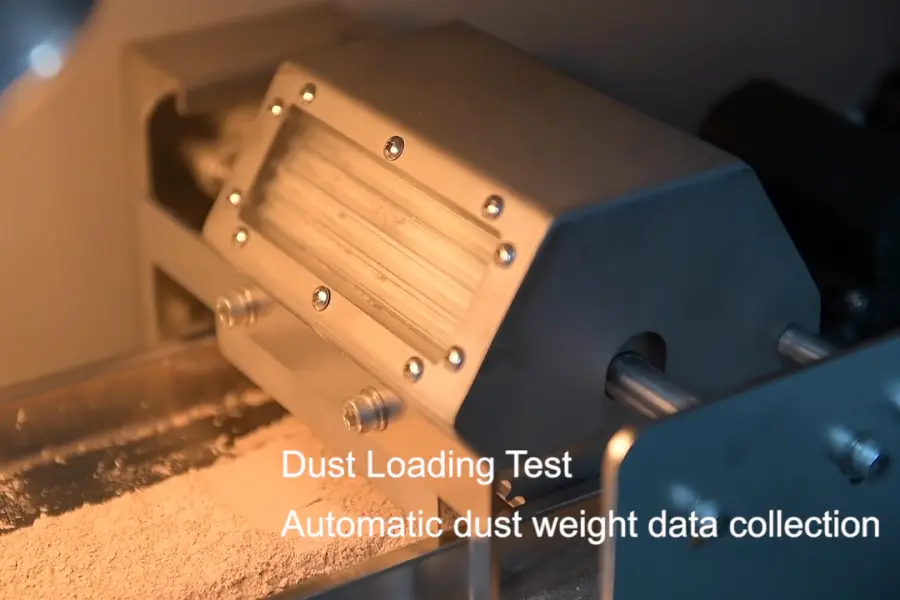
Stof Lladen en Pbron Drop Ewaardering
Stabiel Aaërosol Generatie
Nauwkeurig Partikel Ctellen
Met deze systemen kunnen laboratoria en fabrikanten betrouwbare filterverificatie uitvoeren volgens internationale normen.
Valideer uw kwaliteit met wereldwijde standaardtestsystemen
Onze experts staan klaar om voor u een oplossing op maat te engineeren. Vertel ons over uw project, en laten we uw kwaliteit met precisie en snelheid verifiëren.
Aangepaste R&D & Op maat gemaakte oplossingen
Naleving van mondiale normen
100% Zelf ontwikkeld softwaresysteem
Kalibratie op afstand & Wereldwijde ondersteuning
Neem contact met ons op
*Wij respecteren uw vertrouwelijkheid en alle informatie wordt beschermd.
Voordat je gaat...
Weet u niet zeker welke internationale standaard van toepassing is op uw project?? Praat met onze senior engineers voor een gepersonaliseerde technische beoordeling op basis van onze 10-jarige branche-expertise.
*Wij respecteren uw vertrouwelijkheid en alle informatie wordt beschermd.
This page has been automatically translated from the English original for convenience. Product models, standards, numerical values and technical limits should be verified against the English version. Please contact SCPUR for project-specific confirmation.