


Hoogefficiënte filters en filtermedia voor het verwijderen van deeltjes in de lucht
De ISO begrijpen 29463 standaard voor het evalueren van HEPA- en ULPA-filters.
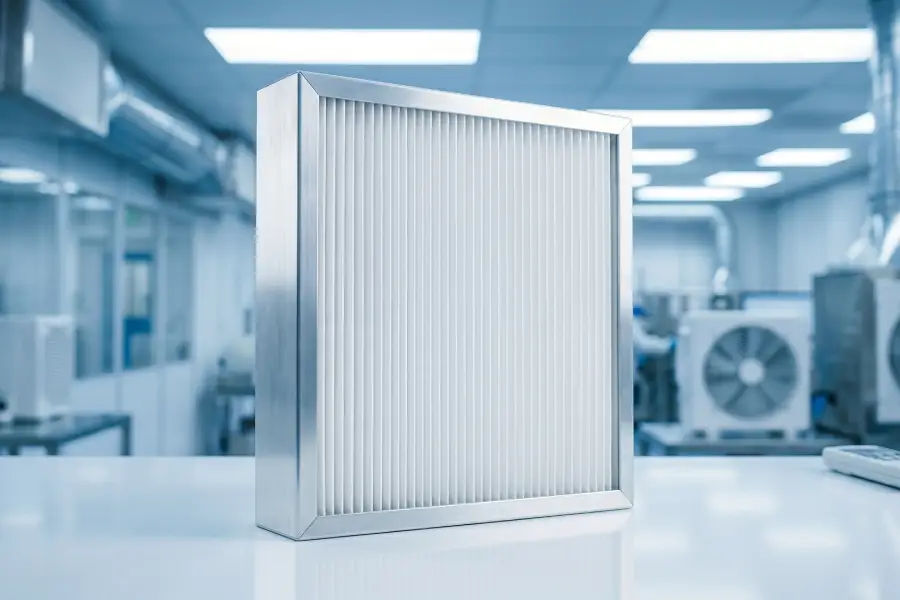
Overzicht van de ISO 29463 Standaard
ISO 29463 is an international standard series for classifying and testing high-efficiency filters and filter media used to remove particles from air. It covers filter-media testing, overall filter efficiency, local leak testing, classification and marking.
The standard is used for HEPA and ULPA filters in cleanrooms, farmaceutische productie, semiconductor manufacturing, ventilation systems, controlled environments and other applications requiring high-efficiency particle filtration.

Productie van halfgeleiders

Farmaceutische productie

Cleanroom-omgevingen
Belangrijkste testmethoden in ISO 29463
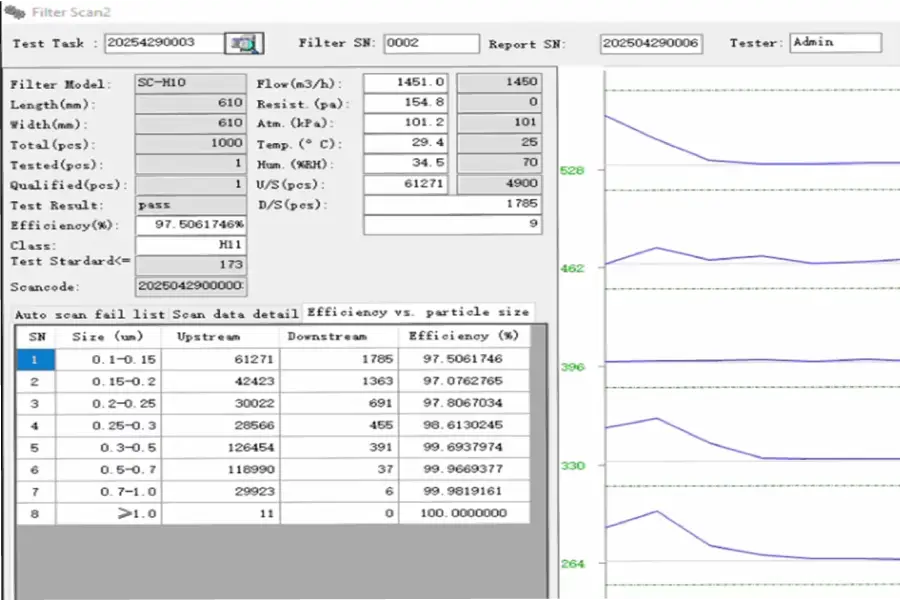
Belangrijk testprincipe: MPPS
MPPS means the most penetrating particle size—the particle size or size range at which the filter media shows its highest penetration, or lowest filtration efficiency, under the specified test conditions.
MPPS is not a fixed value such as 0.3 μm or 0.12 μm for every filter. It depends on the filter media, face velocity, aerosol and test conditions. ISO 29463 therefore uses MPPS-based measurements rather than assigning one universal test particle size to every HEPA or ULPA filter.
Flat-sheet filter media are tested to determine fractional efficiency and identify the MPPS under controlled face-velocity conditions. Media-test results cannot replace testing of the completed filter.
Overall Filter Efficiency
Overall efficiency represents the average penetration of the complete filter at the specified airflow. It evaluates the finished filter as a whole but does not identify the exact location of a small defect.
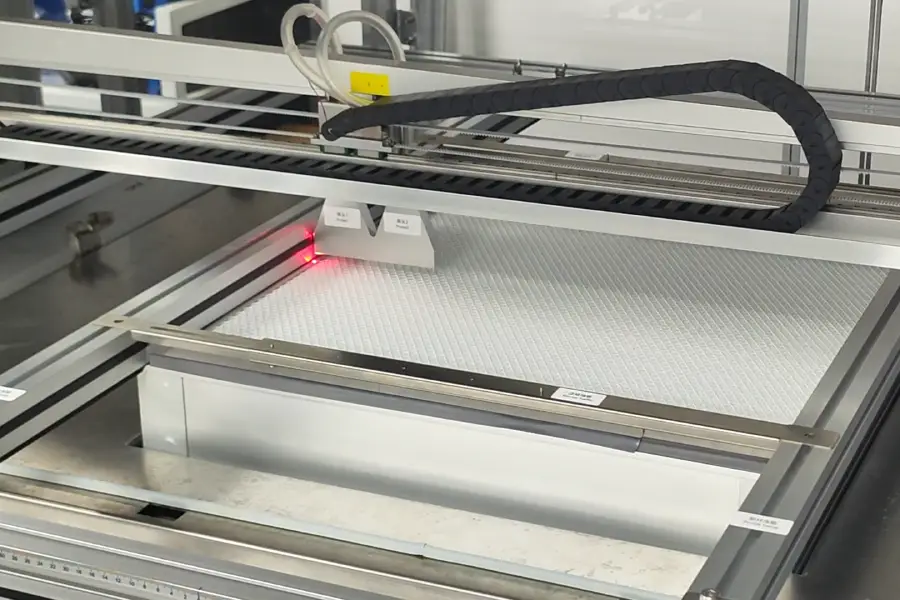
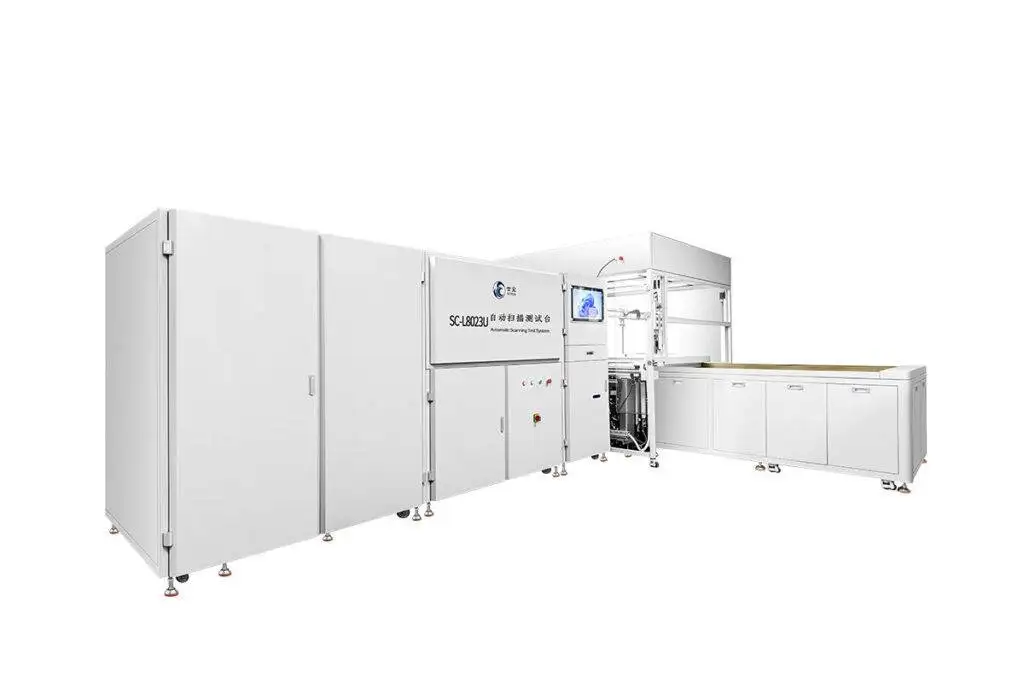
A scan test measures local downstream penetration while the probe moves across the filter face and relevant sealing areas. It is used to locate defects that may not be apparent from the overall efficiency result.
Lekdetectie en integriteitstesten
ISO 29463 includes methods for evaluating local leakage in applicable filter classes and constructions. The scan method moves a sampling probe across the downstream filter surface to identify areas of excessive local penetration.
The required procedure depends on the filter class, construction and applicable part of the standard. Automatic scanning should therefore not be presented as the only test required for every high-efficiency filter.
HEPA- en ULPA-filterclassificatiecategorieën
Gebaseerd op gemeten efficiëntie, filters zijn ingedeeld in verschillende prestatiecategorieën. Typische classificatiebereiken omvatten:
| Filter Group | General Description |
|---|---|
| EPA | Efficiënte roetfilters |
| HEPA | Hoogefficiënte deeltjesluchtfilters |
| ULPA | Luchtfilters met ultralage penetratie |
The specific ISO class is determined from the applicable integral and local efficiency or penetration requirements. Class limits should be taken from the specified edition of ISO 29463-1 rather than inferred from the general EPA, HEPA or ULPA group name.
De classificatie weerspiegelt het vermogen van het filter om in de lucht zwevende deeltjes te verwijderen onder gestandaardiseerde testomstandigheden.
Structuur en onderdelen van de ISO 29463 Standaard
ISO 29463 is onderverdeeld in verschillende delen die classificatiemethoden behandelen, testprocedures, en filterintegriteitsverificatie. Typische structuur omvat:
Deel | Domein |
ISO 29463-1 | Classificatie, prestatietests en markering |
ISO 29463-2 | Productie van spuitbussen, measuring equipment and particle counting methods |
ISO 29463-3 | Testen van vlakke plaatfiltermedia |
ISO 29463-4 | Bepaling van lekkage en efficiëntie |
ISO 29463-5 | Efficiëntietesten van filterelementen |
Deze onderdelen definiëren gezamenlijk hoe HEPA- en ULPA-filters moeten worden getest en geclassificeerd.
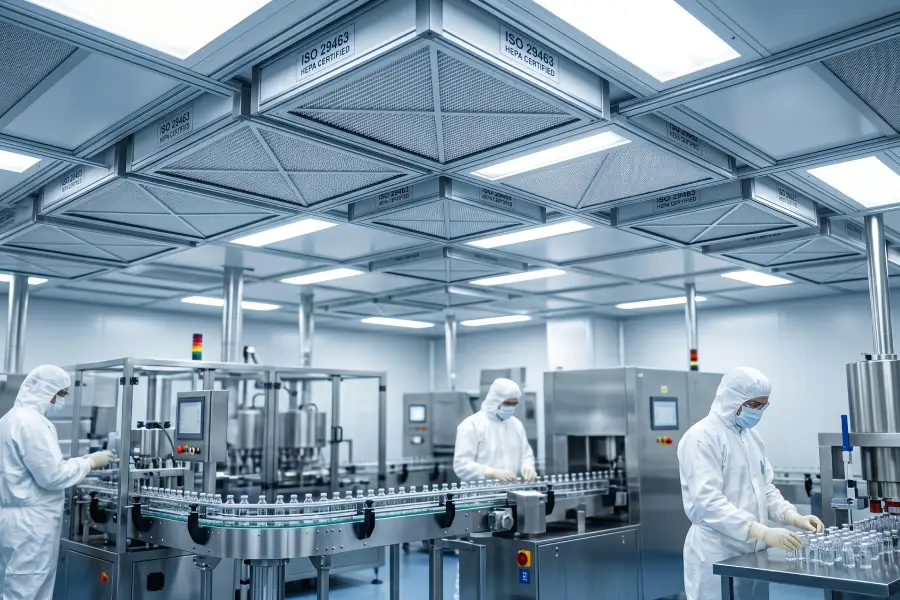
Toepassing in hoogrendementfiltratie
Betrouwbare en herhaalbare testomstandigheden zijn essentieel om ervoor te zorgen dat de efficiëntie- en classificatieresultaten de werkelijke prestaties van hoogefficiënte filters weerspiegelen. ISO 29463 testen is hiervoor essentieel:
- Halfgeleider cleanrooms
- Farmaceutische productiefaciliteiten
- Laboratoria voor biotechnologie
- Operatiekamers en isolatieafdelingen van ziekenhuizen
- Precisieproductieomgevingen
ISO 29463 Oplossingen testen
ISO 29463 biedt een wereldwijd erkend raamwerk voor het evalueren van de prestaties van HEPA- en ULPA-filters. Door gestandaardiseerde procedures voor het genereren van aerosolen te definiëren, deeltjesmeting, en lekkagedetectie, de standaard zorgt ervoor dat de filterprestatieresultaten consistent zijn, vergelijkbaar, en betrouwbaar in laboratoria over de hele wereld.
The required equipment depends on the test object and acceptance task:
- Filtermedia: fractional efficiency and MPPS measurement
- Complete filters: overall efficiency and airflow resistance
- Factory leak testing: controlled quantitative scanning
- Installed filters: on-site integrity testing of the filter and installation seal
These functions should not be treated as interchangeable simply because they all use an aerosol challenge and downstream measurement.
Relatie met andere normen
ISO 29463 is nauw verwant aan verschillende andere filtratiestandaarden.
-
StandaardEN1822
-
SollicitatieEuropese HEPA/ULPA-classificatie
-
StandaardISO16890
-
SollicitatieAlgemene ventilatieluchtfilters
-
StandaardASHRAE 52.2
-
SollicitatieNoord-Amerikaanse HVAC-filtratietests
Terwijl ISO 16890 en ASHRAE 52.2 focus op algemene ventilatiefilters, ISO 29463 richt zich specifiek op hoogefficiënte cleanroomfiltratie.
Bespreek uw vereisten voor filtratietests
Vertel ons uw filtertype, standaard testen, en toepassingsscenario.
Onze ingenieurs helpen u bij het identificeren van de meest geschikte testoplossing – van standaardsystemen tot volledig op maat gemaakte platforms.