
हवा में कणों को हटाने के लिए उच्च दक्षता वाले फिल्टर और फिल्टर मीडिया
आईएसओ को समझना 29463 HEPA और ULPA फ़िल्टर के मूल्यांकन के लिए मानक.
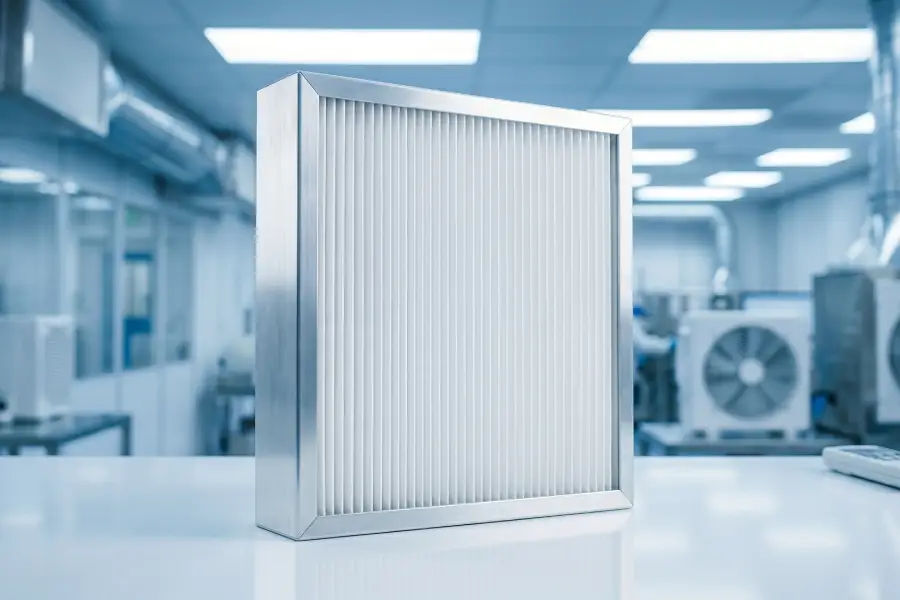
आईएसओ का अवलोकन 29463 मानक
आईएसओ 29463 एक अंतरराष्ट्रीय मानक है जो वर्गीकरण निर्दिष्ट करता है, परीक्षण के तरीके, और HEPA और ULPA फ़िल्टर के लिए प्रदर्शन मूल्यांकन प्रक्रियाएँ. सख्त वायु स्वच्छता की आवश्यकता वाले उद्योगों में मानक का व्यापक रूप से उपयोग किया जाता है.
“आईएसओ 29463 यह काफी हद तक यूरोपीय मानक EN के अनुरूप है 1822 और उच्च दक्षता वाले वायु निस्पंदन प्रदर्शन का मूल्यांकन करने के लिए उपयोग किए जाने वाले परीक्षण सिद्धांतों को परिभाषित करता है।”

अर्धचालक विनिर्माण

फार्मास्युटिकल उत्पादन

साफ़ कमरे का वातावरण
आईएसओ में प्रमुख परीक्षण विधियाँ 29463
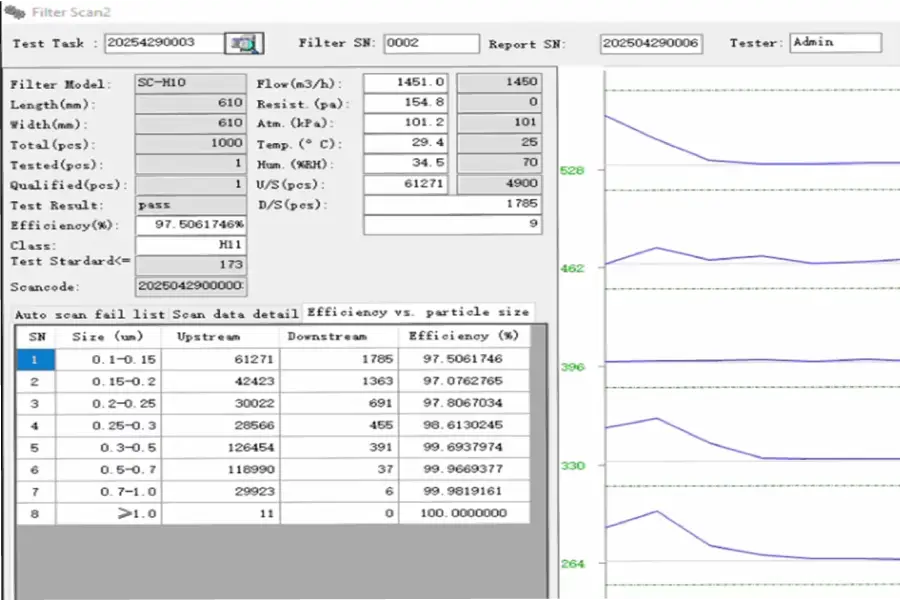
मुख्य परीक्षण सिद्धांत: एमपीपीएस
आईएसओ में एक केंद्रीय अवधारणा 29463 सबसे अधिक भेदने वाला कण आकार है (एमपीपीएस). एक निश्चित कण आकार पर दक्षता का मूल्यांकन करने के बजाय, फ़िल्टर का परीक्षण कण आकार पर किया जाता है जहां निस्पंदन दक्षता सबसे कम होती है. यह सुनिश्चित करता है कि मापी गई दक्षता सबसे महत्वपूर्ण निस्पंदन स्थिति का प्रतिनिधित्व करती है. एमपीपीएस परीक्षण निश्चित कण-आकार परीक्षण की तुलना में फ़िल्टर प्रदर्शन का अधिक सटीक मूल्यांकन प्रदान करता है.
रिसाव का पता लगाना और अखंडता परीक्षण
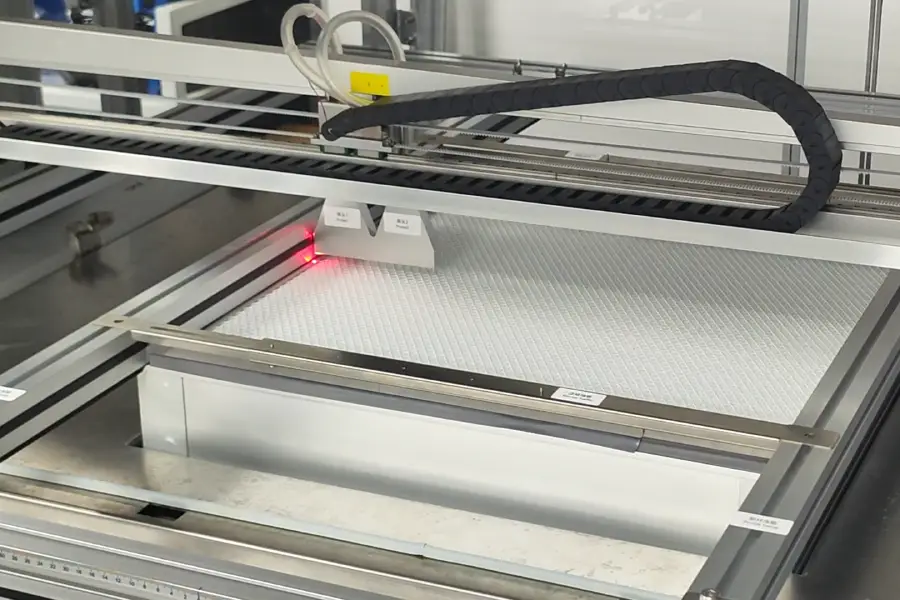
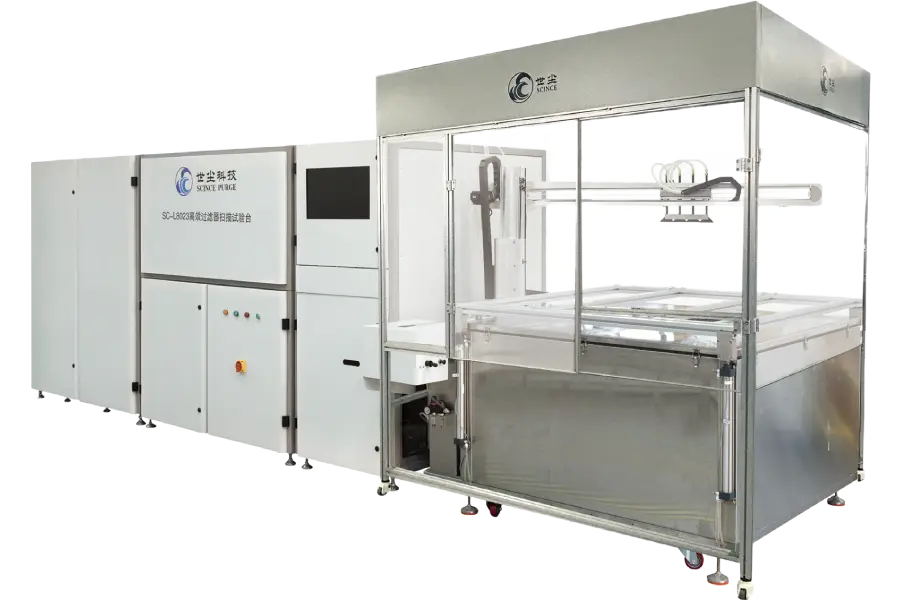
आईएसओ 29463 फ़िल्टर तत्वों में स्थानीय रिसाव दोषों का पता लगाने के लिए प्रक्रियाएँ भी निर्दिष्ट करता है. फ़िल्टर सतह के नीचे की ओर कण सांद्रता को मापने के लिए एक स्कैनिंग जांच का उपयोग किया जाता है. कण सांद्रता में स्थानीयकृत वृद्धि फ़िल्टर मीडिया में दोषों का संकेत दे सकती है, चौखटा, या क्षेत्रों को सील करना. महत्वपूर्ण वातावरण में स्थापना से पहले उच्च दक्षता वाले फिल्टर की अखंडता को सत्यापित करने के लिए रिसाव का पता लगाने का परीक्षण आवश्यक है.
HEPA और ULPA फ़िल्टर वर्गीकरण श्रेणियाँ
मापी गई दक्षता के आधार पर, फ़िल्टर को विभिन्न प्रदर्शन श्रेणियों में वर्गीकृत किया गया है. विशिष्ट वर्गीकरण श्रेणियों में शामिल हैं:
| कक्षा | विशिष्ट दक्षता सीमा |
|---|---|
| ईपीए | कुशल पार्टिकुलेट एयर फिल्टर |
| हेपा | उच्च दक्षता वाले पार्टिकुलेट एयर फिल्टर |
| क्रोध | अल्ट्रा-लो पेनेट्रेशन एयर फिल्टर |
वर्गीकरण मानकीकृत परीक्षण स्थितियों के तहत हवाई कणों को हटाने की फिल्टर की क्षमता को दर्शाता है.
आईएसओ की संरचना और भाग 29463 मानक
आईएसओ 29463 वर्गीकरण विधियों को कवर करते हुए कई भागों में व्यवस्थित किया गया है, परीक्षण प्रक्रियाएं, और फ़िल्टर अखंडता सत्यापन. विशिष्ट संरचना में शामिल हैं:
भाग | विवरण |
आईएसओ 29463-1 | वर्गीकरण, प्रदर्शन परीक्षण, और अंकन |
आईएसओ 29463-2 | एरोसोल उत्पादन, मापने के उपकरण, और कण गिनती के तरीके |
आईएसओ 29463-3 | फ्लैट शीट फ़िल्टर मीडिया परीक्षण |
आईएसओ 29463-4 | रिसाव और दक्षता का निर्धारण |
आईएसओ 29463-5 | फ़िल्टर तत्व दक्षता परीक्षण |
ये भाग सामूहिक रूप से परिभाषित करते हैं कि HEPA और ULPA फ़िल्टर का परीक्षण और वर्गीकरण कैसे किया जाना चाहिए.
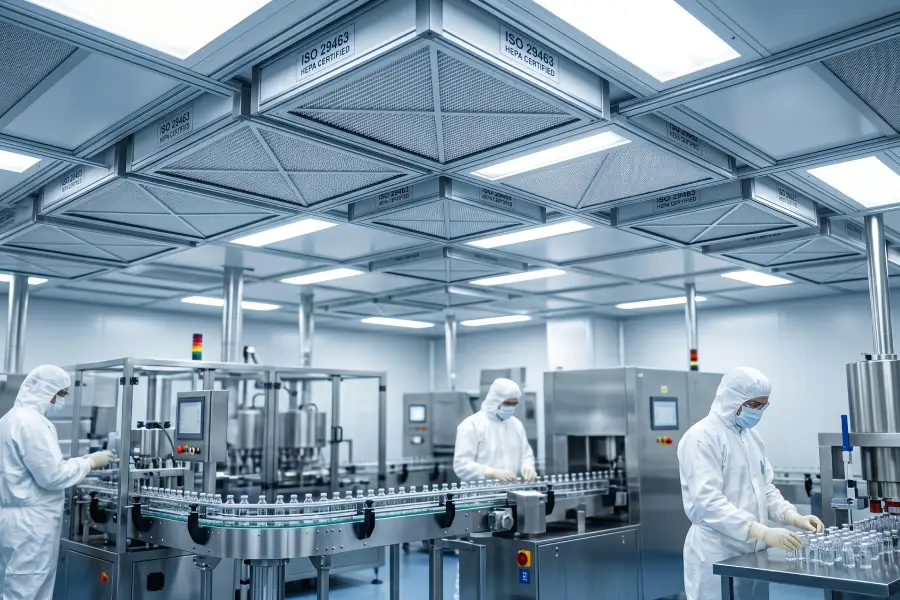
उच्च दक्षता निस्पंदन में आवेदन
यह सुनिश्चित करने के लिए कि दक्षता और वर्गीकरण परिणाम उच्च दक्षता वाले फिल्टर के वास्तविक प्रदर्शन को दर्शाते हैं, विश्वसनीय और दोहराने योग्य परीक्षण स्थितियाँ आवश्यक हैं।. आईएसओ 29463 के लिए परीक्षण आवश्यक है:
- सेमीकंडक्टर क्लीनरूम
- फार्मास्युटिकल विनिर्माण सुविधाएं
- जैव प्रौद्योगिकी प्रयोगशालाएँ
- अस्पताल के ऑपरेटिंग कमरे और आइसोलेशन वार्ड
- परिशुद्धता विनिर्माण वातावरण
आईएसओ 29463 परीक्षण समाधान
आईएसओ 29463 HEPA और ULPA फ़िल्टर प्रदर्शन के मूल्यांकन के लिए विश्व स्तर पर मान्यता प्राप्त ढांचा प्रदान करता है. एयरोसोल उत्पादन के लिए मानकीकृत प्रक्रियाओं को परिभाषित करके, कण माप, और रिसाव का पता लगाना, मानक यह सुनिश्चित करता है कि फ़िल्टर प्रदर्शन परिणाम सुसंगत हों, तुलनीय, और दुनिया भर की प्रयोगशालाओं में विश्वसनीय है.
अन्य मानकों से संबंध
आईएसओ 29463 कई अन्य निस्पंदन मानकों से निकटता से संबंधित है.
-
मानकEN1822
-
आवेदनयूरोपीय HEPA/ULPA वर्गीकरण
-
मानकISO16890
-
आवेदनसामान्य वेंटिलेशन एयर फिल्टर
-
मानकआश्रय 52.2
-
आवेदनउत्तर अमेरिकी एचवीएसी निस्पंदन परीक्षण
जबकि आईएसओ 16890 और आश्रय 52.2 सामान्य वेंटिलेशन फिल्टर पर ध्यान दें, आईएसओ 29463 विशेष रूप से उच्च दक्षता वाले क्लीनरूम निस्पंदन को संबोधित करता है.
अपनी निस्पंदन परीक्षण आवश्यकताओं पर चर्चा करें
हमें अपना फ़िल्टर प्रकार बताएं, परीक्षण मानक, और अनुप्रयोग परिदृश्य.
हमारे इंजीनियर आपको सबसे उपयुक्त परीक्षण समाधान की पहचान करने में मदद करेंगे - मानक सिस्टम से लेकर पूरी तरह से अनुकूलित प्लेटफ़ॉर्म तक.