
مرشحات ووسائط ترشيح عالية الكفاءة لإزالة الجزيئات الموجودة في الهواء
فهم الايزو 29463 معيار لتقييم مرشحات HEPA وULPA.
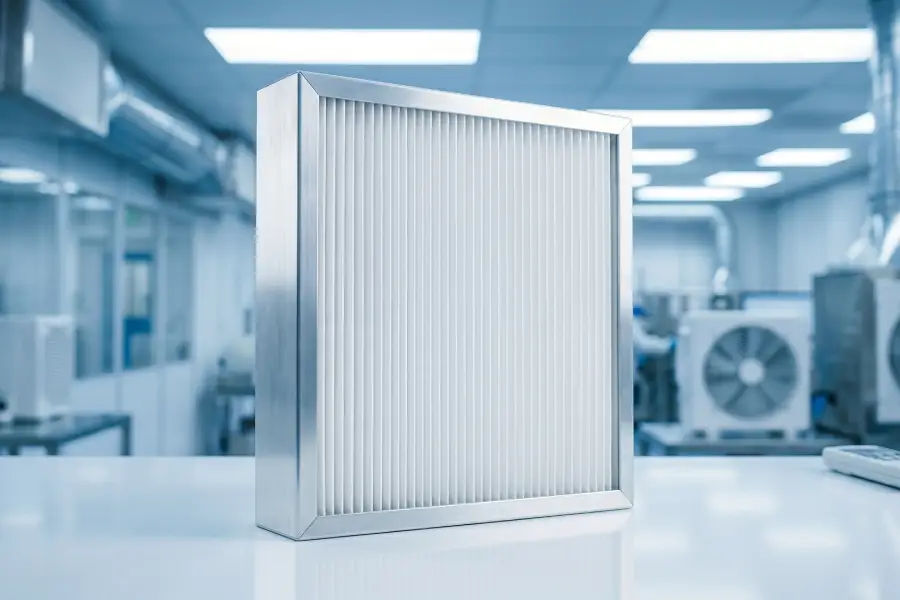
نظرة عامة على الأيزو 29463 معيار
ايزو 29463 هو معيار دولي يحدد التصنيف, طرق الاختبار, وإجراءات تقييم الأداء لمرشحات HEPA وULPA. يستخدم هذا المعيار على نطاق واسع في الصناعات التي تتطلب نظافة صارمة للهواء.
“ايزو 29463 يتوافق إلى حد كبير مع المعيار الأوروبي EN 1822 ويحدد مبادئ الاختبار المستخدمة لتقييم أداء تنقية الهواء عالي الكفاءة.”

تصنيع أشباه الموصلات

الإنتاج الصيدلاني

بيئات غرف الأبحاث
طرق الاختبار الرئيسية في ISO 29463
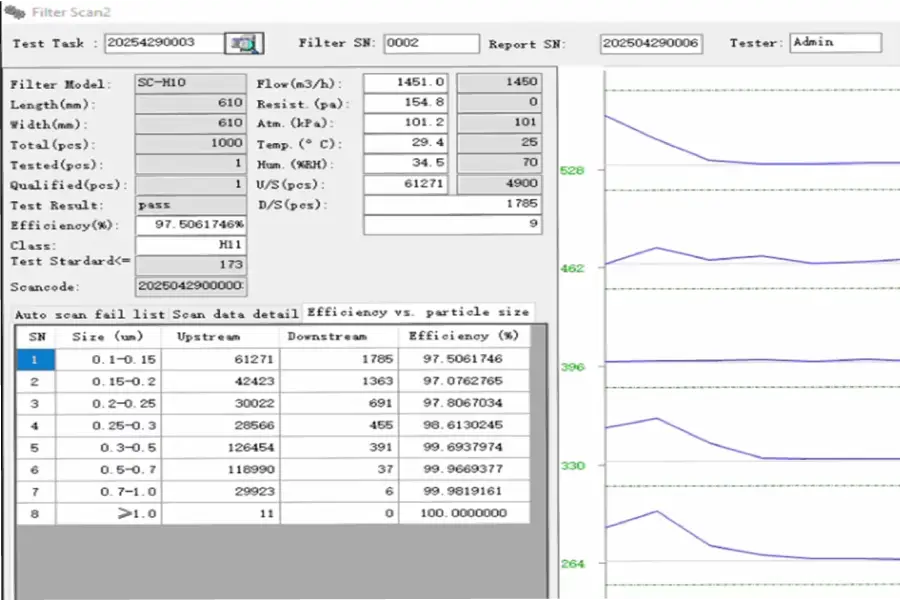
مبدأ الاختبار الرئيسي: MPPS
مفهوم مركزي في ISO 29463 هو حجم الجسيمات الأكثر اختراقًا (MPPS). بدلاً من تقييم الكفاءة بحجم جسيم ثابت, يتم اختبار الفلتر على حجم الجسيمات حيث تكون كفاءة الترشيح في أدنى مستوياتها. وهذا يضمن أن الكفاءة المقاسة تمثل حالة الترشيح الأكثر أهمية. يوفر اختبار MPPS تقييمًا أكثر دقة لأداء المرشح مقارنةً باختبار حجم الجسيمات الثابتة.
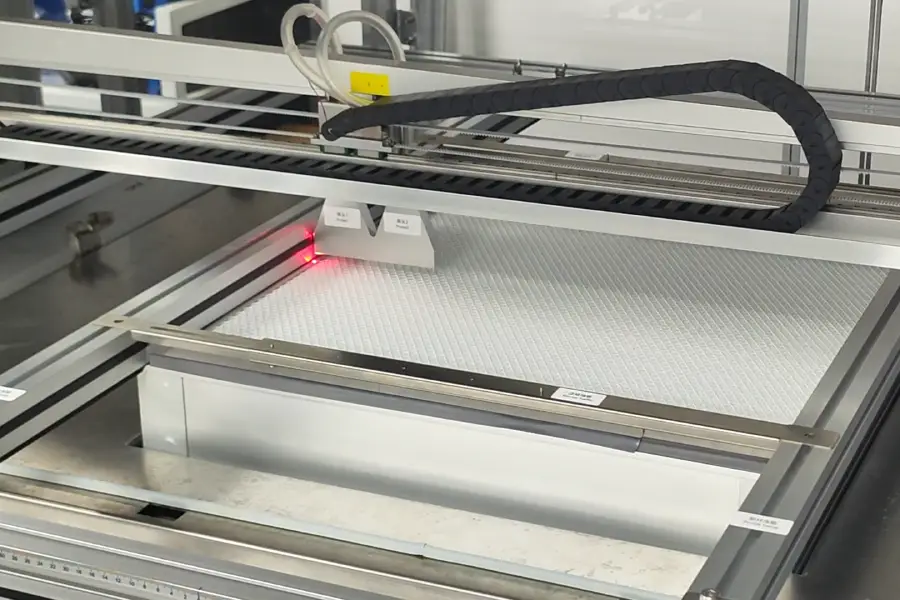
كشف التسرب واختبار النزاهة
ايزو 29463 كما يحدد إجراءات اكتشاف عيوب التسرب المحلية في عناصر المرشح. يتم استخدام مسبار المسح لقياس تركيز الجسيمات أسفل سطح المرشح. قد تشير الزيادات الموضعية في تركيز الجسيمات إلى وجود عيوب في وسائط الترشيح, إطار, أو مناطق الختم. يعد اختبار كشف التسرب ضروريًا للتحقق من سلامة المرشحات عالية الكفاءة قبل التثبيت في البيئات الحرجة.
فئات تصنيف مرشحات HEPA وULPA
على أساس الكفاءة المقاسة, يتم تصنيف المرشحات إلى فئات أداء مختلفة. تشمل نطاقات التصنيف النموذجية:
| فصل | نطاق الكفاءة النموذجي |
|---|---|
| وكالة حماية البيئة | مرشحات الهواء الجسيمات فعالة |
| هيبا | مرشحات الهواء الجسيمات عالية الكفاءة |
| غضب | مرشحات الهواء منخفضة الاختراق للغاية |
يعكس التصنيف قدرة الفلتر على إزالة الجزيئات المحمولة بالهواء في ظل ظروف اختبار موحدة.
هيكل وأجزاء ISO 29463 معيار
ايزو 29463 يتم تنظيمه في عدة أجزاء تغطي طرق التصنيف, إجراءات الاختبار, والتحقق من سلامة التصفية. يتضمن الهيكل النموذجي:
جزء | وصف |
ايزو 29463-1 | تصنيف, اختبار الأداء, ووضع العلامات |
ايزو 29463-2 | إنتاج الهباء الجوي, معدات القياس, وطرق عد الجسيمات |
ايزو 29463-3 | اختبار وسائط مرشح الورقة المسطحة |
ايزو 29463-4 | تحديد التسرب والكفاءة |
ايزو 29463-5 | اختبار كفاءة عنصر التصفية |
تحدد هذه الأجزاء بشكل جماعي كيفية اختبار وتصنيف مرشحات HEPA وULPA.
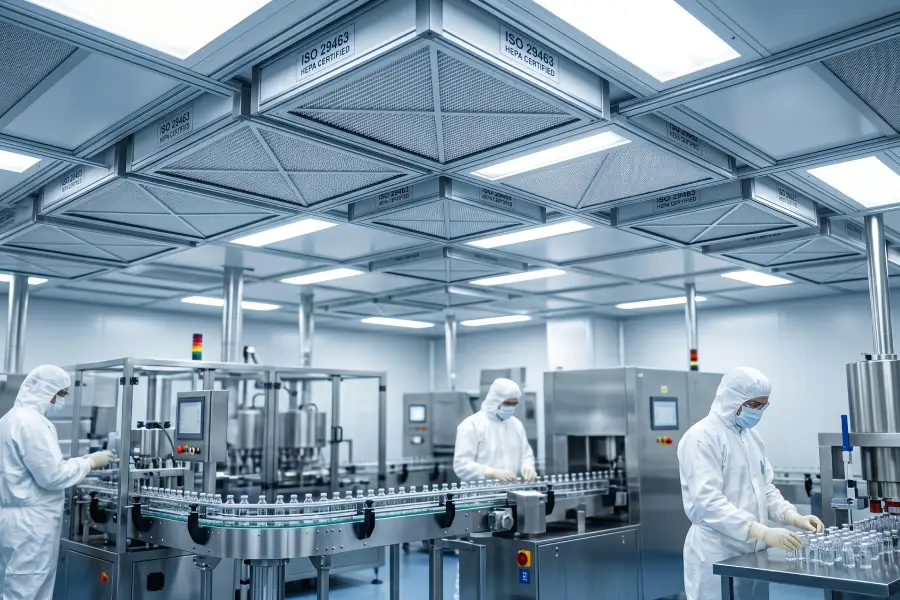
التطبيق في الترشيح عالي الكفاءة
تعتبر ظروف الاختبار الموثوقة والقابلة للتكرار ضرورية لضمان أن نتائج الكفاءة والتصنيف تعكس الأداء الفعلي للمرشحات عالية الكفاءة. ايزو 29463 الاختبار ضروري ل:
- غرف الأبحاث لأشباه الموصلات
- مرافق تصنيع الأدوية
- مختبرات التكنولوجيا الحيوية
- غرف العمليات بالمستشفيات وأجنحة العزل
- بيئات التصنيع الدقيقة
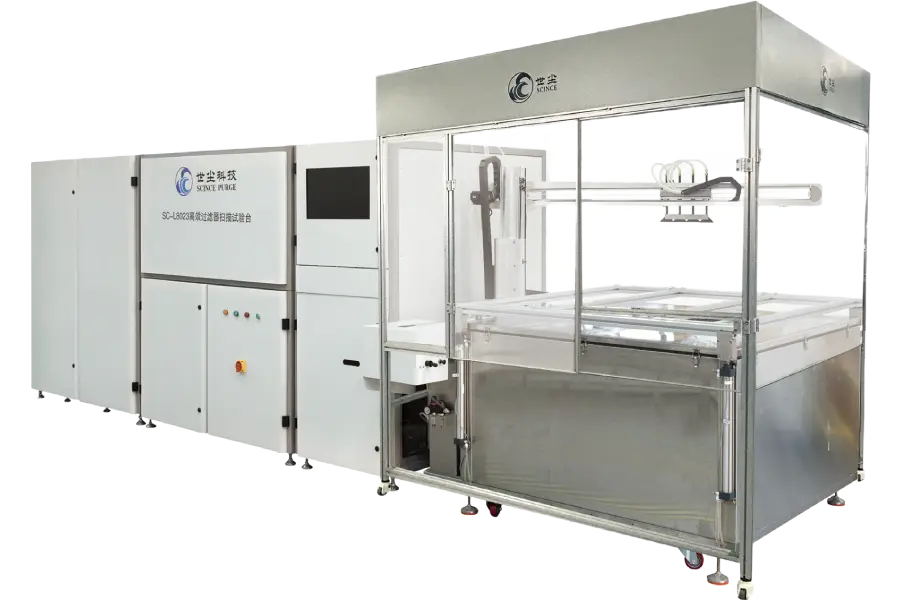
ايزو 29463 حلول الاختبار
ايزو 29463 يوفر إطارًا معترفًا به عالميًا لتقييم أداء مرشح HEPA وULPA. من خلال تحديد الإجراءات الموحدة لتوليد الهباء الجوي, قياس الجسيمات, وكشف التسرب, يضمن المعيار أن نتائج أداء الفلتر متسقة, قابلة للمقارنة, وموثوق بها عبر المختبرات في جميع أنحاء العالم.
العلاقة بالمعايير الأخرى
ايزو 29463 يرتبط ارتباطًا وثيقًا بالعديد من معايير الترشيح الأخرى.
-
معيارEN1822
-
طلبتصنيف HEPA/ULPA الأوروبي
-
معيارISO16890
-
طلبمرشحات الهواء للتهوية العامة
-
معيارأشراي 52.2
-
طلباختبار ترشيح نظام التدفئة والتهوية وتكييف الهواء (HVAC) في أمريكا الشمالية
بينما ايزو 16890 و أشراي 52.2 التركيز على مرشحات التهوية العامة, ايزو 29463 يتناول على وجه التحديد ترشيح غرف الأبحاث عالي الكفاءة.
ناقش متطلبات اختبار الترشيح لديك
أخبرنا بنوع الفلتر الخاص بك, معيار الاختبار, وسيناريو التطبيق.
سيساعدك مهندسونا في تحديد حل الاختبار الأكثر ملاءمة - بدءًا من الأنظمة القياسية وحتى الأنظمة الأساسية المخصصة بالكامل.