
Hocheffiziente Filter und Filtermedien zur Entfernung von Partikeln in der Luft
Die ISO verstehen 29463 Standard zur Bewertung von HEPA- und ULPA-Filtern.
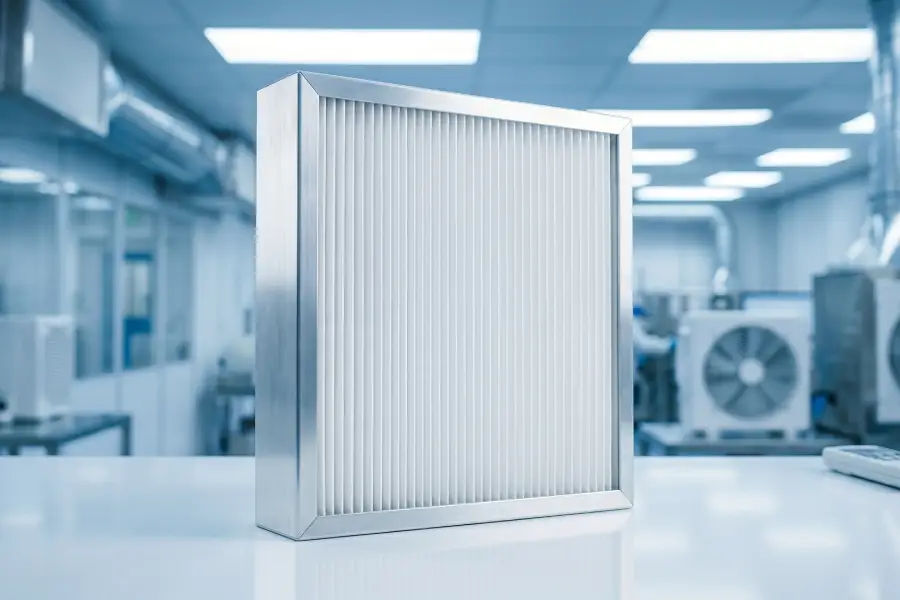
Übersicht über die ISO 29463 Standard
ISO 29463 ist ein internationaler Standard, der die Klassifizierung festlegt, Testmethoden, und Leistungsbewertungsverfahren für HEPA- und ULPA-Filter. Der Standard wird häufig in Branchen eingesetzt, die strenge Luftreinheit erfordern.
“ISO 29463 ist weitgehend mit der europäischen Norm EN harmonisiert 1822 und definiert die Testprinzipien zur Bewertung der hocheffizienten Luftfiltrationsleistung.”

Halbleiterfertigung

Pharmazeutische Produktion

Reinraumumgebungen
Wichtige Testmethoden in ISO 29463
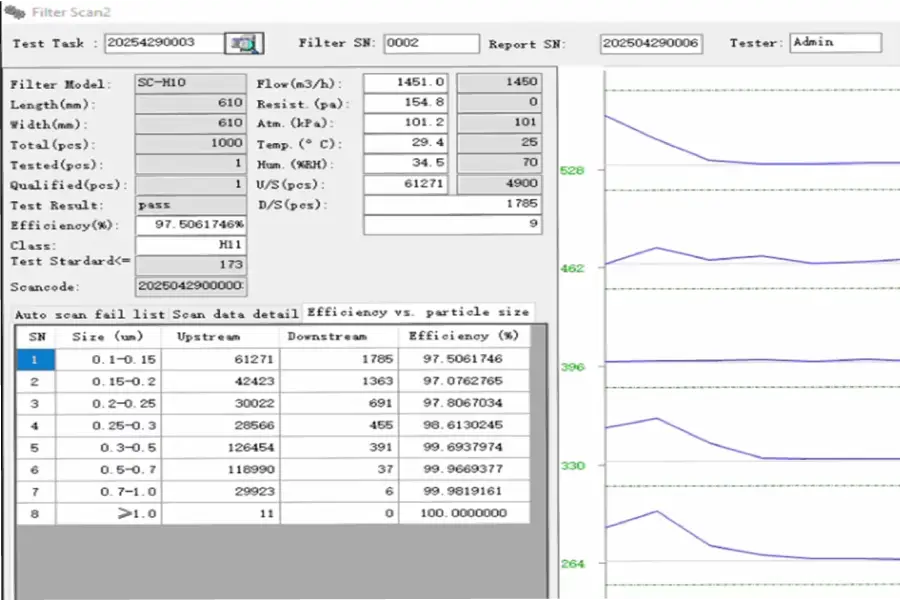
Wichtiges Testprinzip: MPPS
Ein zentrales Konzept in ISO 29463 ist die Partikelgröße mit der größten Durchdringung (MPPS). Anstatt die Effizienz bei einer festen Partikelgröße zu bewerten, Der Filter wird bei der Partikelgröße getestet, bei der die Filtrationseffizienz am niedrigsten ist. Dadurch wird sichergestellt, dass der gemessene Wirkungsgrad den kritischsten Filtrationszustand darstellt. MPPS-Tests ermöglichen eine genauere Beurteilung der Filterleistung im Vergleich zu Tests mit fester Partikelgröße.
Leckerkennung und Integritätsprüfung
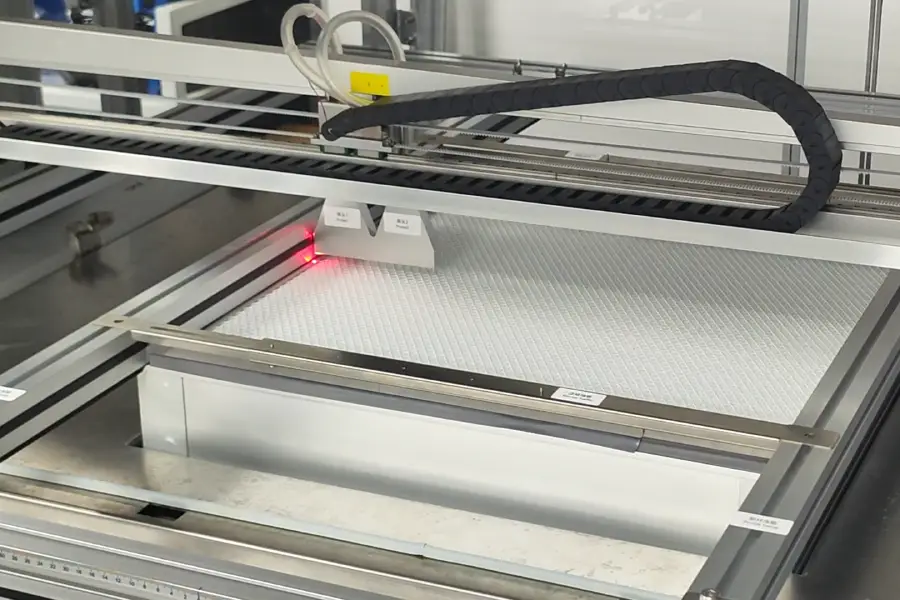
ISO 29463 legt außerdem Verfahren zur Erkennung lokaler Leckagefehler in Filterelementen fest. Mit einer Rastersonde wird die Partikelkonzentration hinter der Filteroberfläche gemessen. Lokale Erhöhungen der Partikelkonzentration können auf Defekte im Filtermedium hinweisen, rahmen, oder Dichtflächen. Leckerkennungstests sind für die Überprüfung der Integrität von Hochleistungsfiltern vor der Installation in kritischen Umgebungen unerlässlich.
HEPA- und ULPA-Filterklassifizierungskategorien
Basierend auf gemessener Effizienz, Filter werden in verschiedene Leistungskategorien eingeteilt. Zu den typischen Klassifizierungsbereichen gehören::
| Klasse | Typischer Effizienzbereich |
|---|---|
| EPA | Effiziente Partikelluftfilter |
| HEPA | Hocheffiziente Partikelluftfilter |
| ZORN | Luftfilter mit extrem geringer Penetration |
Die Klassifizierung spiegelt die Fähigkeit des Filters wider, luftgetragene Partikel unter standardisierten Testbedingungen zu entfernen.
Struktur und Teile der ISO 29463 Standard
ISO 29463 ist in mehrere Teile gegliedert, die Klassifizierungsmethoden behandeln, Testverfahren, und Überprüfung der Filterintegrität. Typische Struktur umfasst:
Teil | Beschreibung |
ISO 29463-1 | Einstufung, Leistungstests, und Markierung |
ISO 29463-2 | Aerosolproduktion, Messgeräte, und Partikelzählmethoden |
ISO 29463-3 | Prüfung von Flachfiltermedien |
ISO 29463-4 | Bestimmung von Leckage und Wirkungsgrad |
ISO 29463-5 | Prüfung der Filterelementeffizienz |
Diese Teile definieren gemeinsam, wie HEPA- und ULPA-Filter getestet und klassifiziert werden sollten.

Anwendung in der Hochleistungsfiltration
Zuverlässige und wiederholbare Testbedingungen sind unerlässlich, um sicherzustellen, dass Effizienz- und Klassifizierungsergebnisse die tatsächliche Leistung von Hochleistungsfiltern widerspiegeln. ISO 29463 Tests sind unerlässlich für:
- Halbleiter-Reinräume
- Pharmazeutische Produktionsanlagen
- Biotechnologielabore
- Operationssäle und Isolierstationen in Krankenhäusern
- Präzisionsfertigungsumgebungen
ISO 29463 Testlösungen
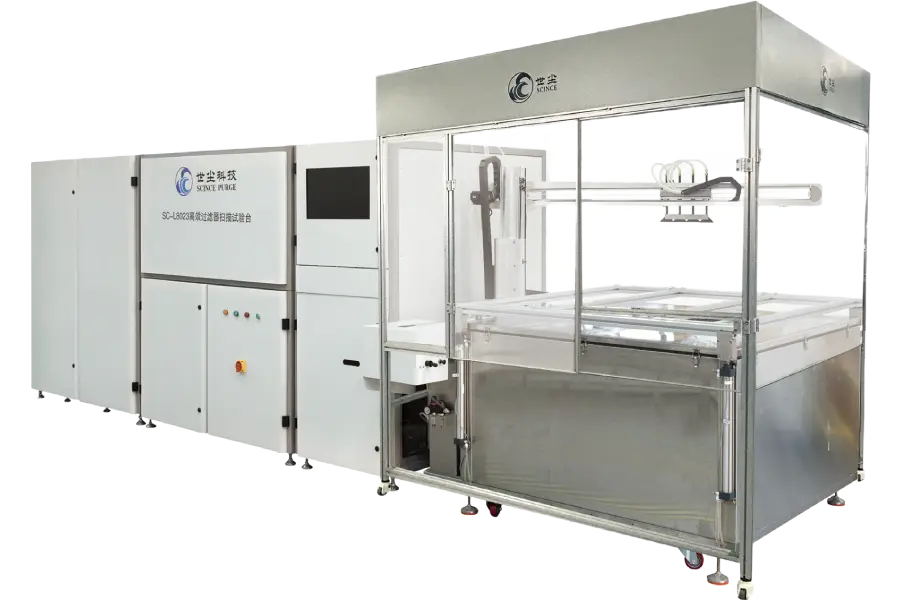
ISO 29463 bietet einen weltweit anerkannten Rahmen zur Bewertung der HEPA- und ULPA-Filterleistung. Durch die Definition standardisierter Verfahren zur Aerosolerzeugung, Partikelmessung, und Leckerkennung, Der Standard stellt sicher, dass die Ergebnisse der Filterleistung konsistent sind, vergleichbar, und zuverlässig in allen Laboren weltweit.
Beziehung zu anderen Standards
ISO 29463 steht in engem Zusammenhang mit mehreren anderen Filterstandards.
-
StandardEN1822
-
AnwendungEuropäische HEPA/ULPA-Klassifizierung
-
StandardISO16890
-
AnwendungAllgemeine Belüftungsluftfilter
-
StandardASHRAE 52.2
-
AnwendungNordamerikanische HVAC-Filtrationstests
Während ISO 16890 und ASHRAE 52.2 Fokus auf allgemeine Lüftungsfilter, ISO 29463 befasst sich speziell mit der hocheffizienten Reinraumfiltration.
Besprechen Sie Ihre Anforderungen an Filtrationstests
Teilen Sie uns Ihren Filtertyp mit, Prüfnorm, und Anwendungsszenario.
Unsere Ingenieure helfen Ihnen dabei, die am besten geeignete Testlösung zu finden – von Standardsystemen bis hin zu vollständig maßgeschneiderten Plattformen.