

Не существует единого стандарта испытаний воздушных фильтров, отвечающего на все вопросы, касающиеся производительности.. Общий вентиляционный фильтр, HEPA-фильтр, воздухоочиститель двигателя, и впускной фильтр газовой турбины могут удалять частицы из воздуха., но они оцениваются для разных приложений и с разными доказательствами.
Поэтому наиболее полезным стартовым вопросом является не «Какой стандарт является наиболее продвинутым?»?" Это:
Какой продукт тестируется, и какое решение должен поддерживать результат?
Производителю может потребоваться классифицировать фильтр, сравнить два дизайна, выпустить производственную партию, найти утечку, квалифицировать поставщика, или продемонстрировать клиенту эффективность пылеулавливания. Каждая цель приводит к различной комбинации стандартных, метод испытания, вызов аэрозоля или пыли, расход воздуха, приборы, и сообщить.
В этом руководстве представлен практический путь к основным стандартам, используемым для полного тестирования воздушных фильтров и воздухоочистителей..
Руководство по быстрому выбору
Руководство по быстрому выбору
| Стандартная семья | Типичный тестовый объект | Основной результат | Основной подход к измерению |
|---|---|---|---|
| ИСО 16890 | Фильтроэлементы общей вентиляции | ISO Coarse, ePM10, Группа ePM2.5 или ePM1 | Эффективность дробных частиц, условная эффективность, сопротивление воздушному потоку и пылевая нагрузка |
| АШРАЭ 52.2 | Общевентиляционные воздухоочистительные устройства | Данные MERV и эффективности размера частиц | Отсчет частиц от 0.3 к 10 μm, сопротивление и ступенчатая загрузка пыли |
| В 1822 / ИСО 29463 | EPA, Фильтрующие материалы и элементы HEPA и ULPA | Класс высокой эффективности, интегральная эффективность и локальное проникновение, где это применимо | Определение MPPS, измерение аэрозолей на входе и выходе и испытание на утечку фильтрующих элементов |
| ИСО 5011 | Воздухоочистители для двигателей внутреннего сгорания и компрессоров | Ограничение, гравиметрическая эффективность, пылеемкость и соответствующие данные о производительности | Стандартизированная испытательная пыль, взвешивание, измерение расхода воздуха и перепада давления |
| ИСО 29461 ряд | Фильтры воздухозаборные для стационарных роторных машин | Классификация ISO T и доказательства производительности для конкретного применения | ИСО 16890- или испытание частиц на основе ISO 29463 при соответствующем воздушном потоке, плюс отдельные методы выносливости в других частях |
| ИСО 11155 ряд | Воздушные фильтры салона | Производительность фильтрации частиц или газа, в зависимости от части | Аэрозоль для салонного фильтра, газ, методы сопротивления и удерживающей способности |
Эта таблица является навигационным средством., это не таблица конверсий. Значение MERV не может быть точно преобразовано в группу ePM., и ни один из них не может быть преобразован в класс HEPA или класс ISO T без проведения соответствующего теста..
Начните с тестового объекта, Не форма фильтра
Начните с тестового объекта, Не форма фильтра
Два фильтра могут выглядеть одинаково, но при этом требовать разных стандартов.. Плиссированная панель может быть использована в вентиляционной установке., прием автомобиля, вход газовой турбины, или корпус терминала для чистых помещений. Сама по себе геометрия не определяет правильный тест..
Прежде чем выбрать стандарт, идентифицировать:
- машина или система вентиляции, которую защищает фильтр;
- является ли тестовый объект носителем, отдельный элемент, полноценный воздухоочиститель, или установленная система фильтрации;
- номинальный расход воздуха и допустимое падение давления;
- диапазон размеров частиц или интересующая проблема пыли;
- является ли требуемый результат классом, кривая, результат пройден/не пройден, или сравнительные данные, связанные с продолжительностью жизни; и
- критерии издания и приемки, указанные в спецификации заказчика или договоре купли-продажи.
Этот шаг предотвращает распространенную ошибку: сначала выбираем знакомый стандарт, а затем пытаемся внедрить продукт в его метод.
ИСО 16890: Общие вентиляционные фильтры
ИСО 16890: Общие вентиляционные фильтры
ИСО 16890 серия предназначена для сажевых фильтрующих элементов, используемых в общей вентиляции.. Он классифицирует фильтры в соответствии с их расчетной эффективностью для PM1., ТЧ2,5, и фракции PM10, или как ISO Coarse, если соответствующий порог ePM не достигнут..
Результаты PM рассчитываются на основе измеренных данных относительной эффективности с использованием стандартизированных эталонных распределений частиц по размерам.. Это более информативно, чем присвоение фильтру только широкой метки грубого или мелкого., но его не следует описывать как прямую симуляцию каждой реальной атмосферы.. На фактическую производительность обслуживания также влияет местный состав аэрозоля., влажность, скорость загрузки, установка, обслуживание, и график работы.
Полный ISO 16890 платформе может потребоваться поддержка:
- измерение расхода воздуха и падения давления;
- измерение дробного КПД на входе и выходе;
- требуемые диапазоны образования аэрозолей и подсчета частиц;
- кондиционирование для оценки эффективности разряда;
- гравиметрическое пылевое нагружение и развитие сопротивления; и
- автоматический расчет итоговой группы ISO и отчет.
Выберите ISO 16890 когда: продукт представляет собой фильтр общей вентиляции, и рынок или клиент требуют классификации ISO ePM или ISO Coarse..
АШРАЭ 52.2: Устройства общей вентиляции, оцененные MERV
АШРАЭ 52.2: Устройства общей вентиляции, оцененные MERV
Стандарт ANSI/ASHRAE 52.2 также предназначен для общевентиляционных воздухоочистных устройств, но он сообщает о производительности, используя эффективность удаления частиц по размеру и систему MERV.. Электрический ток 2025 издание измеряет удаление частиц в течение 0.3 к 10 Диапазон мкм при загрузке устройства через определенные интервалы стандартизированной загрузкой пыли.
ИСО 16890 и АШРАЭ 52.2 перекрытие в категории продуктов, но их аэрозоли, расчеты, процедуры загрузки, классификации, и правила отчетности не идентичны. Приблизительная перекрестная ссылка, иногда используемая для коммуникации на рынке, не заменяет тестирование в соответствии с указанным стандартом..
Выберите АШРАЭ 52.2 когда: клиент, рынок, спецификация здания, или на этикетке продукта требуется рейтинг MERV или метод эффективности размера частиц ASHRAE..
В 1822 и ИСО 29463: EPA, HEPA и ULPA фильтры
В 1822 и ИСО 29463: EPA, HEPA и ULPA фильтры
В 1822 и ИСО 29463 применяется к высокоэффективным фильтрам и фильтрующим материалам. Их основная концепция – эффективность при максимально проникающем размере частиц., или MPPS, где фильтр имеет наибольшую проникающую способность и наименьшую эффективность.
В зависимости от класса фильтра и применяемого метода, требуемые доказательства могут включать в себя:
- определение MPPS фильтрующего материала;
- Интегральная эффективность или проникновение в MPPS;
- локальное проникновение или сканирование утечки всего фильтрующего элемента;
- сопротивление воздушному потоку при заданных условиях испытаний; и
- прослеживаемая классификация и протоколы испытаний.
Эти стандарты тесно связаны, но их обозначения классов и некоторые правила методов не следует рассматривать как взаимозаменяемые.. Требуемый диапазон измерения также зависит от ожидаемой эффективности.. А 0.3 Оптический счетчик частиц в мкм, используемый для внутреннего производственного скрининга, не является автоматически полной системой классификации MPPS..
Выберите RU 1822 или ИСО 29463 когда: продукт является EPA, HEPA, или фильтр ULPA, и заказчику требуется формальная высокоэффективная классификация., интегральная эффективность, или доказательства утечки фильтрующего элемента.
Проверка целостности установленной системы после установки фильтра в чистом помещении или корпусе является отдельным видом деятельности.. Не следует путать с заводской классификацией и сканированием фильтрующего элемента..
ИСО 5011: Воздухоочистители двигателя и компрессора
ИСО 5011: Воздухоочистители двигателя и компрессора
ИСО 5011 устанавливает лабораторные процедуры для сравнения воздухоочистителей, используемых в двигателях внутреннего сгорания и компрессорах в автомобильной и промышленной сфере.. Это касается не только легковых автомобилей..
Его центральные выходы включают ограничение воздушного потока или перепад давления., гравиметрическая эффективность пылеулавливания, емкость пыли, и связанные с ними эксплуатационные характеристики. The 2025 издание также сохраняет положения, относящиеся к воздухоочистителям с масляной ванной..
Основная цепочка измерений – гравиметрическая.. Стандартизированная испытательная пыль подается в воздушный поток, а масса, удерживаемая испытательным воздухоочистителем и последующей системой сбора, используется вместе с данными о расходе воздуха и давлении для расчета производительности.. Счетчики частиц не заменяют необходимые измерения массы..
Выберите ISO 5011 когда: объектом испытаний является воздухоочиститель двигателя или компрессора, и необходимые доказательства касаются ограничения, гравиметрическая эффективность, пылеемкость, или сравнение лабораторных показателей на протяжении всей жизни.
ИСО 29461: Серия для фильтрации воздуха на входе ротационных машин
ИСО 29461: Серия для фильтрации воздуха на входе ротационных машин
ИСО 29461 не следует описывать только как «классификацию ТЧ» или «моделирование реальной среды». Это серия, состоящая из нескольких частей, для фильтрации всасываемого воздуха, используемая для защиты стационарного вращающегося оборудования, такого как газовые турбины и промышленные компрессоры..
| Часть | Основная цель |
|---|---|
| ИСО 29461-1 | Статическая производительность отдельных фильтрующих элементов. Он применяет и расширяет ISO 16890 методы для фильтров с более низкой эффективностью и ISO 29463 методы для фильтров EPA/HEPA в диапазоне воздушного потока 850 к 8,500 m³/h. |
| ИСО 29461-2 | Лабораторная оценка водостойкости фильтрующих элементов в условиях тумана и тумана. |
| ИСО 29461-3 | Испытание механической целостности в определенных нештатных условиях эксплуатации. |
| ИСО 29461-4 | Испытание отдельных элементов и полных систем статической фильтрации для прибрежных и морских сред с использованием ультрамелкой соли и переменной влажности.. |
Часть 1 обычно касается отдельных статических фильтрующих элементов, не прямое измерение всей системы фильтрации после установки в эксплуатацию. Его результаты также не могут, сами по себе, прогнозировать точную эффективность эксплуатации или срок службы.
Выберите ISO 29461-1 когда: фильтр защищает стационарное вращающееся оборудование, и заказчику необходимы действующая классификация ISO T и данные о производительности при соответствующем промышленном потоке воздуха..
Добавьте еще одну часть ISO 29461 сериал когда: водная выносливость, механическая целостность, или прибрежные/морские характеристики соленой и влажной среды являются частью фактических требований проекта.
Может ли один и тот же фильтр требовать более одного стандарта??
Может ли один и тот же фильтр требовать более одного стандарта??
Да. Предполагаемые данные о рынке и потребителях могут создавать дублирующиеся требования..
Примеры включают в себя:
- впускной элемент газовой турбины, оцененный в соответствии с ISO 29461-1 в то время как данные о частицах с более низкой эффективностью производятся с использованием методов, полученных из ISO 16890;
- впускной элемент EPA или HEPA, оцененный в соответствии с ISO 29461-1 с использованием методов на основе ISO 29463;
- фильтр общей вентиляции, продаваемый как на рынках ISO, так и на рынках Северной Америки., требующий ISO 16890 и АШРАЭ 52.2 результаты; или
- производитель использует упрощенную внутреннюю проверку производства между полными классификационными испытаниями.
В отчетах следует разделять методы и результирующие классификации.. Объединение результатов разных стандартов в один неподдерживаемый «эквивалентный» класс создает риск как для производителя, так и для его клиента..
Испытательное оборудование должно соответствовать полному методу
Испытательное оборудование должно соответствовать полному методу
Перечисление нескольких стандартов в брошюре продукта не доказывает, что испытательная система может выполнить каждый полный метод.. Перед настройкой оборудования, проверьте, включает ли платформа необходимые:
- диапазон расхода воздуха и размеры рабочей части;
- монтаж, уплотнение, и расположение адаптера;
- генераторы аэрозолей или стандартизированные устройства подачи пыли;
- оптический счетчик частиц, субмикронный прибор, или гравиметрическая система сбора;
- устройство отбора проб вверх и вниз по течению;
- кондиционирование, влажность, вода, соль, или подсистема механических напряжений, где это применимо;
- диапазоны измерения перепада давления и расхода воздуха;
- весы и сбор массовых данных для гравиметрических методов; и
- последовательность программного обеспечения, расчеты, логика приемки, и поля отчета для указанной редакции.
Некоторые стандарты могут использовать общий контроль воздушного потока., воздуховод, и инфраструктура сбора данных. Другие методы требуют принципиально иных цепочек задач и измерений.. Поэтому спецификация оборудования должна составляться на основе требуемых результатов испытаний., не из списка стандартных названий.
Контрольный список из пяти вопросов для выбора
Контрольный список из пяти вопросов для выбора
Прежде чем запросить предложение или утвердить план испытаний, ответь на эти пять вопросов:
- Что такое тестовый объект? СМИ, фильтрующий элемент, полный воздухоочиститель, многоступенчатая сборка, или установленная система?
- Какому приложению он будет служить? Общая вентиляция, производство в чистых помещениях, впуск двигателя, пассажирский салон, газовая турбина, компрессор, или морской водозабор?
- Какой результат должен появиться в отчете? группа ePM, MERV, класс МППС, Класс ISO Т, местное проникновение, ограничение, гравиметрическая эффективность, или емкость пыли?
- В каких условиях? Размер фильтра, номинальный воздушный поток, диапазон сопротивления, аэрозоль или пыль, состояние кондиционирования, и финальная конечная точка теста?
- Кто определяет принятие? Текущий стандарт, спецификация клиента, план разработки продукта, или метод внутреннего производственного контроля?
Как только эти входные данные станут ясными, правильную стандартную конфигурацию и конфигурацию тестовой системы становится гораздо проще определить.
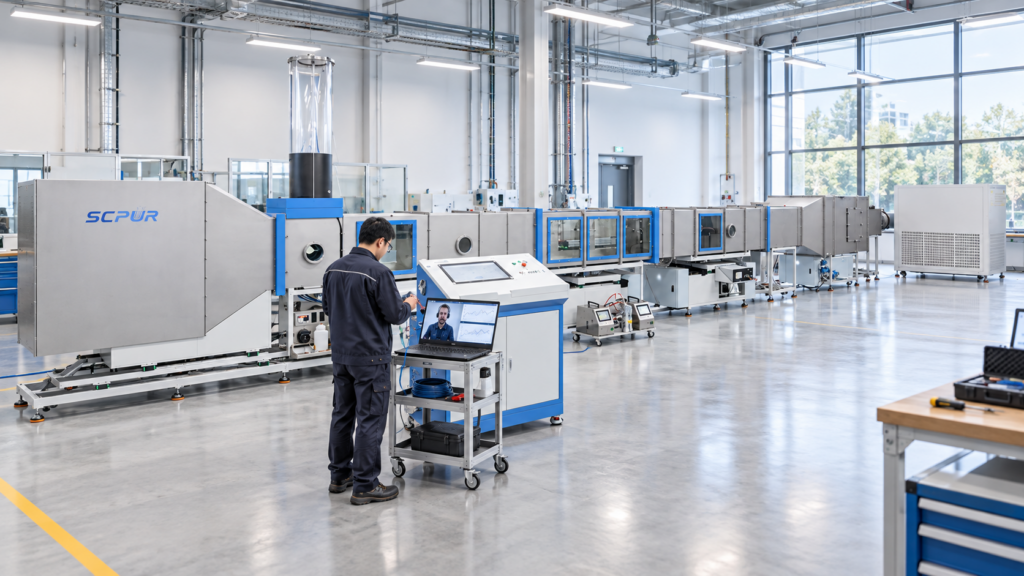
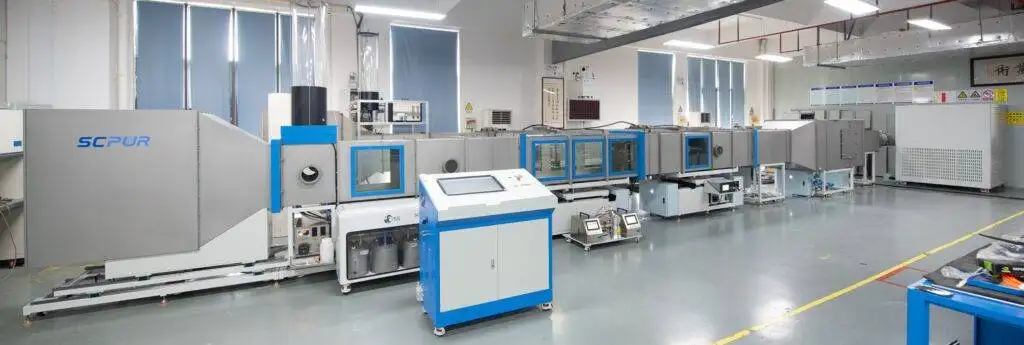
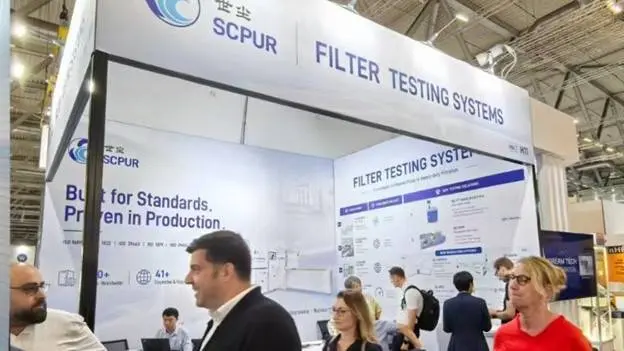
SCPUR разрабатывает тестовые системы для производителей фильтров доказательств, которые необходимо производить.: классификация, сравнение дизайна, производственный релиз, локализация утечки, оценка пылевой нагрузки, или проверка для конкретного клиента.
Начните с фильтра, номинальный воздушный поток, и обязательный отчет: Ознакомьтесь с системами тестирования воздушных фильтров SCPUR
- Системы тестирования фильтров систем отопления, вентиляции и кондиционирования воздуха и общей вентиляции
- Системы тестирования фильтров HEPA и ULPA
- Системы тестирования впускных фильтров двигателей и турбин
- ИСО 29461-1 против ИСО 5011: Какой стандарт выбрать?
- В 1822 против ИСО 29463: Классы, Тесты и ключевые отличия
- Проверка герметичности HEPA-фильтра: Заводское сканирование и тест установленной системы
- ИСО 16890-1:2016 – Общая классификация вентиляционных фильтров
- Стандарт ANSI/ASHRAE 52.2-2025 – Цель и сфера применения
- БС RU 1822-1:2019 – Классификация, тестирование производительности и маркировка
- ИСО 29463-1:2024 – Классификация, производительность, тестирование и маркировка
- ИСО 5011:2025 – Проверка работоспособности приточного воздухоочистного оборудования
- ИСО 29461-1:2021 – Статические фильтроэлементы для ротационных машин.
- ИСО 29461-2:2022 – Устойчивость к туману и туману
- ИСО 29461-3:2024 – Механическая целостность
- ИСО 29461-4:2025 – Прибрежная и морская среда
- ИСО/ТС 11155-1:2001 – Фильтрация твердых частиц в салоне