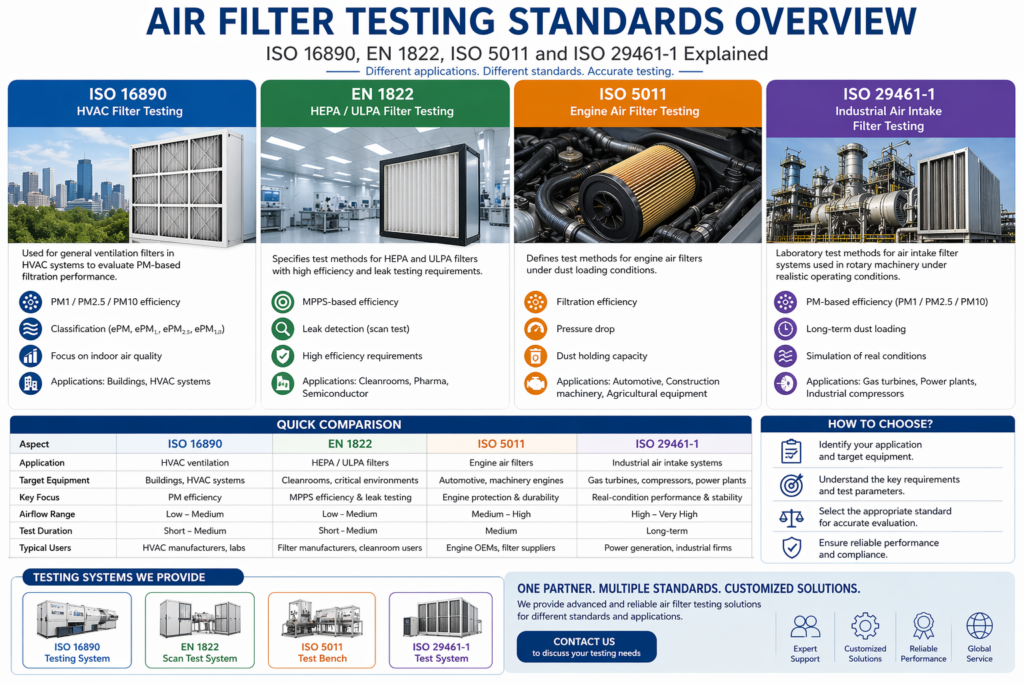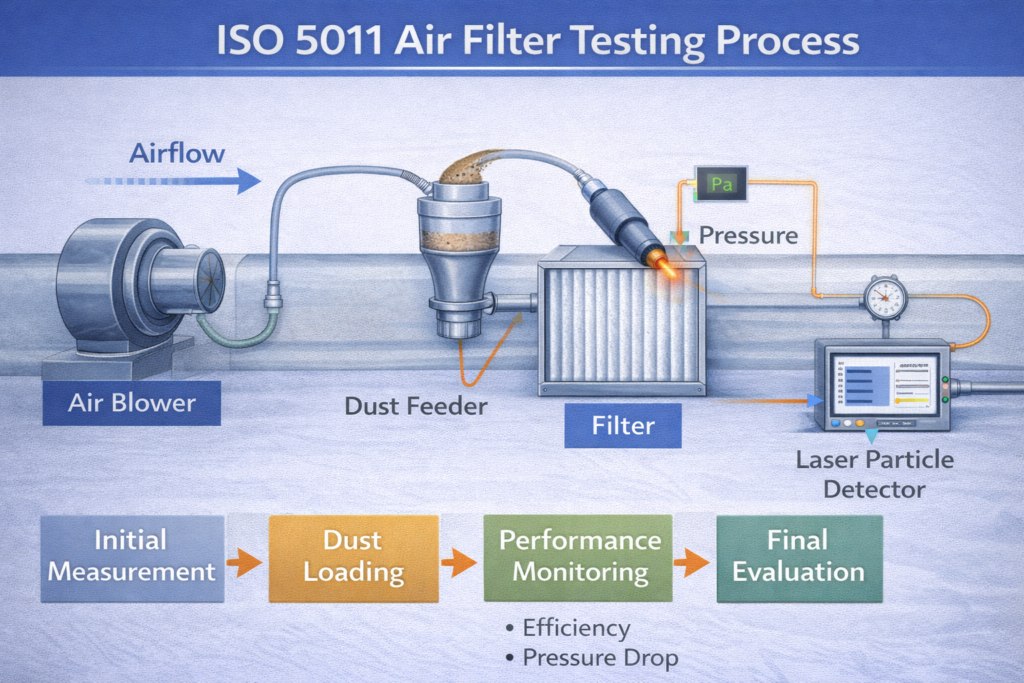
Het kiezen van het juiste luchtfilter is essentieel voor het bereiken van een optimale binnenluchtkwaliteit en systeemprestaties. Met de introductie van ISO 16890, filterselectie is nu gebaseerd op de efficiëntie van de werkelijke deeltjesgrootte in plaats van op verouderde classificaties.
Deze gids helpt u bij het selecteren van het meest geschikte filter op basis van uw toepassing en prestatie-eisen.
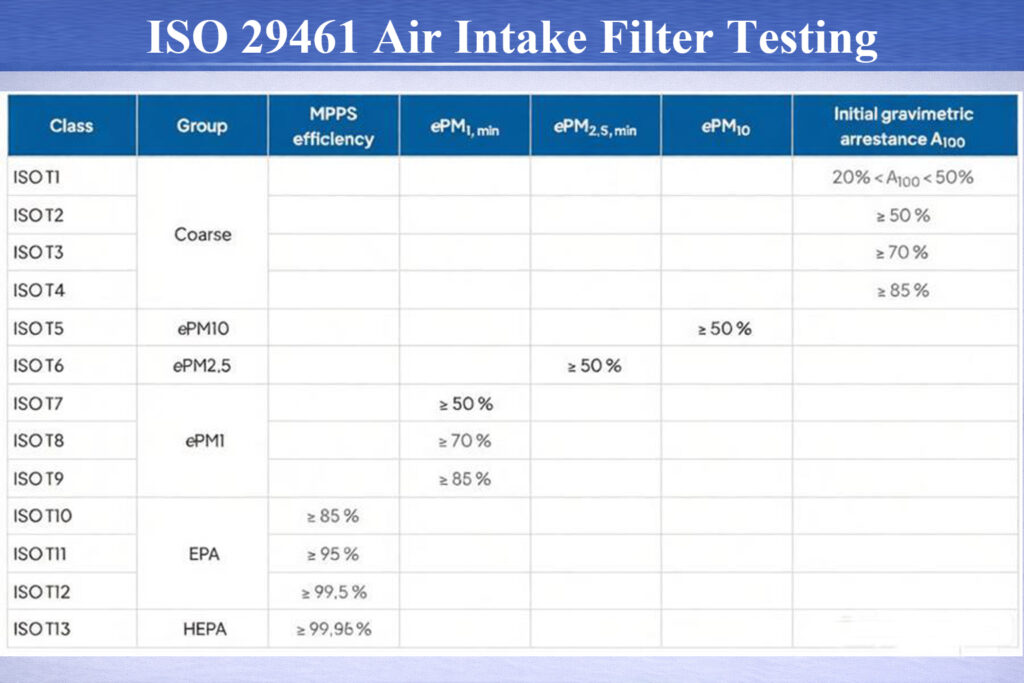
1. Begrijp ISO 16890 Classificatie eerst
Voordat u een filter selecteert, het is belangrijk om het classificatiesysteem te begrijpen:
- ISO grof → grote deeltjes (>10 μm)
- ePM10 → deeltjes ≤10 μm
- ePM2.5 → deeltjes ≤2,5 μm
- ePM1 → deeltjes ≤1 μm
👉 Hoe hoger de classificatie, hoe beter de filtratie van fijne deeltjes.
2. Stap 1: Definieer uw toepassingsscenario
Verschillende omgevingen vereisen verschillende filtratieniveaus:
Commerciële gebouwen (Kantoren, Winkelcentra)
- Aanbevolen: ePM2.5
- Focus: evenwichtige luchtkwaliteit en energie-efficiëntie
Ziekenhuizen & Gezondheidszorg
- Aanbevolen: ePM1 of hoger
- Focus: verwijdering van fijne en schadelijke deeltjes
Industriële faciliteiten
- Aanbevolen: ePM10 of ePM2.5
- Focus: stofbeheersing en apparatuurbescherming
Residentiële HVAC-systemen
- Aanbevolen: ePM2.5
- Focus: comfort en gezondheid
3. Stap 2: Breng efficiëntie en drukval in evenwicht
Zoals besproken in voorgaande paragrafen, hogere efficiëntie leidt vaak tot hogere weerstand.
👉 Belangrijke overwegingen:
- Hoog rendement → betere luchtkwaliteit
- Lage drukval → lager energieverbruik
✔ Kies een filter dat beide factoren in evenwicht brengt op basis van uw systeemcapaciteit
4. Stap 3: Houd rekening met de levensduur van het filter
De filterprestaties veranderen in de loop van de tijd als gevolg van stofbelasting:
- De efficiëntie kan aanvankelijk toenemen
- De drukval neemt voortdurend toe
👉Een langere levensduur vermindert:
- Onderhoudsfrequentie
- Bedrijfskosten
5. Stap 4: Evalueer echte prestaties (Niet alleen initiële gegevens)
Onder ISO 16890, prestaties worden achteraf geëvalueerd:
- Afvoer (verwijdering van elektrostatische effecten)
- Stof laden
👉Dit betekent:
Initiële efficiëntie alleen is niet voldoende
✔ Controleer altijd de gemiddelde efficiëntiewaarden
6. Stap 5: Controleer de systeemcompatibiliteit
Zorg ervoor dat het geselecteerde filter overeenkomt:
- Vereisten voor luchtstroom
- Installatie afmetingen
- Systeemdruklimieten
👉 Verkeerde selectie kan leiden tot:
- Verminderde luchtstroom
- Verhoogd energieverbruik
7. Veel voorkomende fouten bij filterselectie
❌ Kiezen uitsluitend op basis van prijs
❌ Drukval negeren
❌ Verouderde EN gebruiken 779 classificaties
❌ Overspecificatie (onnodig hoog rendement)
👉 Deze fouten verhogen de kosten zonder de prestaties te verbeteren.
8. Waarom nauwkeurig testen van cruciaal belang is
Het selecteren van het juiste filter is afhankelijk van betrouwbare gegevens.
Zonder nauwkeurige testen:
- De efficiëntie kan worden overschat
- De prestaties komen mogelijk niet overeen met de werkelijke omstandigheden
👉 Dit is waarom ISO 16890 testen is essentieel voor zowel fabrikanten als gebruikers.
9. Aanbevolen testoplossing
De SC-16890 Algemeen ventilatiefiltertestsysteem van SCPUR zorgt voor een nauwkeurige evaluatie van:
- PM1 / PM2,5 / PM10-efficiëntie
- Drukval
- Prestaties na ontlading en stofbelasting
Belangrijkste voordelen
- Betrouwbare en herhaalbare resultaten
- Volledig ISO-conform 16890
- Ondersteunt productontwikkeling en selectie
👉 Helpt fabrikanten te voorzien betrouwbare data voor klanten.
10. Snelle selectiegids
| Sollicitatie | Aanbevolen klasse |
|---|---|
| Kantoor / Commercieel | ePM2.5 |
| Ziekenhuis | ePM1 |
| Industrieel | ePM10 / ePM2.5 |
| Residentieel | ePM2.5 |
11. Conclusie
Het juiste luchtfilter kiezen onder ISO 16890 vereist begrip:
✔ Toepassingsvereisten
✔ Efficiëntie versus drukval
✔ Prestaties in de echte wereld
Door weloverwogen beslissingen te nemen, gebruikers kunnen bereiken:
- Betere luchtkwaliteit binnenshuis
- Lager energieverbruik
- Langere levensduur van het systeem