

При тестировании фильтрующего материала сравнивается сам материал перед складированием., склеивание и обрамление. Это помогает производителям проверять материалы и сокращать циклы разработки., но это не заменяет тестирование готового фильтра. Одна лишь таблица эффективности использования средств массовой информации не может определить класс чистого помещения., конечный срок службы продукта или отсутствие утечек.
Пять результатов, которые имеют значение
Пять результатов, которые имеют значение
- Кривая дробного КПД: Показывает, как эффективность улавливания меняется в зависимости от размера частиц, вместо того, чтобы сводить результат к одному диаметру частиц..
- Падение давления при лицевой скорости: Один и тот же материал может вести себя совершенно по-разному при другой скорости потока., поэтому условия испытаний должны соответствовать предполагаемой конструкции.
- MPPS: Среды HEPA и ULPA следует оценивать вблизи наиболее проникающего размера частиц.. MPPS не следует автоматически считать 0.3 мкм.
- Кондиционирование до и после: Высокая начальная эффективность в заряженных синтетических средах не гарантирует такой же производительности после уменьшения удаляемого заряда..
- Согласованность партии: Фиксированные места отбора проб и условия испытаний позволяют выявить существенные различия в составе сырья., производственный процесс и партии поставок.
Разные приложения требуют разного внимания
Разные приложения требуют разного внимания
Для общей вентиляции синтетические или электретные среды, сравнить начальную производительность, обусловленная производительность и перепад давления. Для стекловолокна, ПТФЭ и другие высокоэффективные среды, MPPS, очень низкая концентрация на выходе, Динамический диапазон инструмента и обход держателя становятся более важными. Всасывающая среда двигателя и газотурбинная среда могут фильтроваться в виде плоских листов., но емкость пыли, Рост сопротивления и герметизация все равно должны быть проверены на всем элементе в соответствии с применимым стандартом готового фильтра..
Почему хорошие СМИ все еще могут производить плохой фильтр?
Почему хорошие СМИ все еще могут производить плохой фильтр?
Высота и расстояние между складками меняют эффективную площадь и распределение воздушного потока.. Клеевые линии, рамы и уплотнения могут привести к локальной утечке, в то время как стресс при сборке может повредить носитель. Таким образом, медиа-тестирование отвечает на вопрос, заслуживает ли материал перехода на следующий этап разработки.. Тестирование готового фильтра позволяет определить, соответствует ли конечный продукт заявленным характеристикам..
На что следует обратить внимание при выборе медиа-тестера?
На что следует обратить внимание при выборе медиа-тестера?
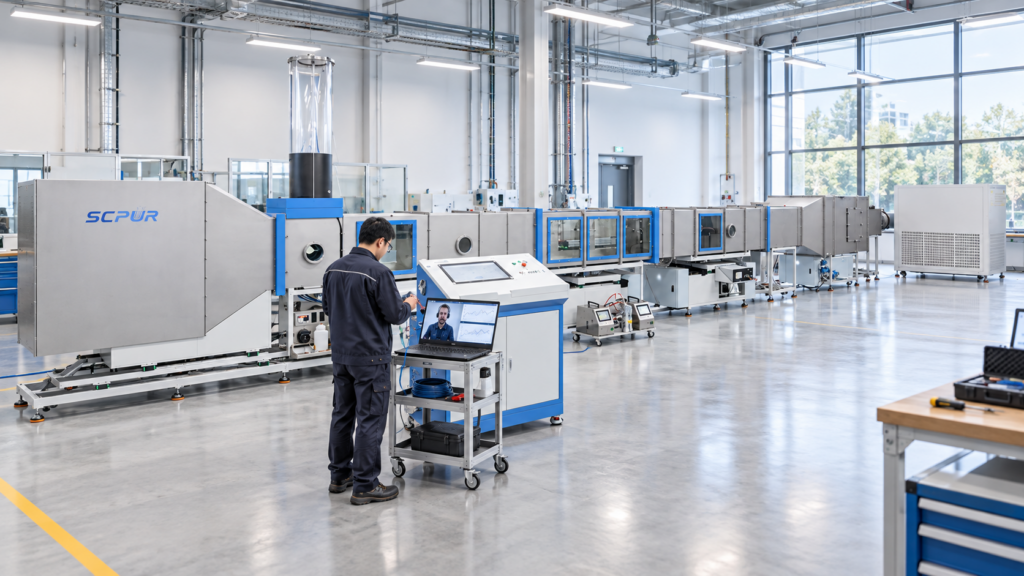
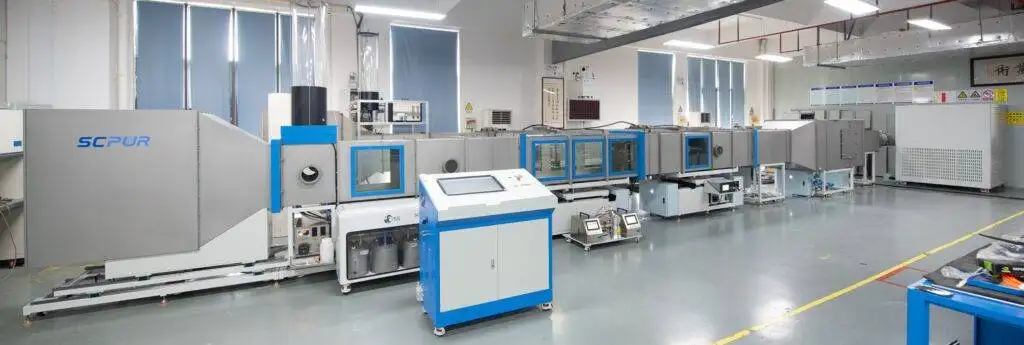
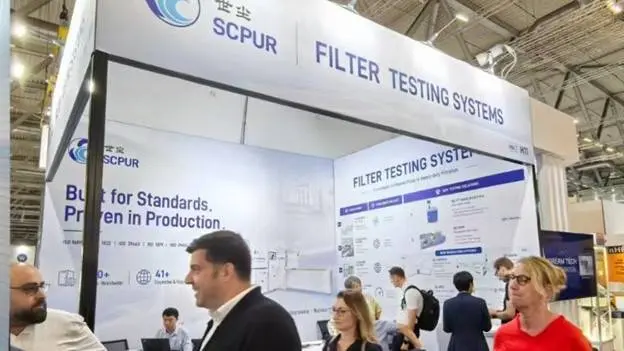
Определите целевой диапазон эффективности, размер частиц или аэрозоля, сначала площадь образца и скорость лица. Затем оцените возможности подсчета вверх и вниз по течению., разбавление, уплотнение держателя, повторяемость, калибровка и отслеживание данных. SCPUR SC-FT-1406D, SC-FT-1406DH и SC-FT-1406DU настроены для работы с плоскими носителями в разных диапазонах эффективности.. Это не стенды для испытания готовых фильтров., и отбор должен начинаться с образца и цели исследования, а не только с этикеток HEPA или ULPA..
Recommended Test System: