

O teste de mídia filtrante compara o próprio material antes de preguear, colagem e enquadramento. Ajuda os fabricantes a selecionar materiais e a encurtar os ciclos de desenvolvimento, mas não substitui o teste do filtro acabado. Uma tabela de eficiência de mídia por si só não pode determinar uma classe de sala limpa, vida útil final do produto ou desempenho sem vazamentos.
Cinco resultados que importam
Cinco resultados que importam
- Curva de eficiência fracionária: Mostra como o desempenho da captura muda com o tamanho da partícula em vez de reduzir o resultado a um diâmetro de partícula.
- Queda de pressão na velocidade facial: O mesmo material pode ter um desempenho muito diferente em outra velocidade facial, portanto, a condição de teste deve corresponder ao projeto pretendido.
- MPPS: Os meios HEPA e ULPA devem ser avaliados próximos ao tamanho de partícula mais penetrante. O MPPS não deve ser automaticamente assumido como sendo 0.3 µm.
- Condicionamento antes e depois: Uma alta eficiência inicial em meios sintéticos carregados não garante o mesmo desempenho após a carga removível ser reduzida.
- Consistência do lote: Locais fixos de amostragem e condições de teste revelam variações significativas na matéria-prima, processo de produção e lotes de fornecimento.
Diferentes aplicações precisam de ênfase diferente
Diferentes aplicações precisam de ênfase diferente
Para meios sintéticos ou de eletreto de ventilação geral, compare o desempenho inicial, desempenho condicionado e queda de pressão. Para fibra de vidro, PTFE e outros meios de alta eficiência, MPPS, concentração a jusante muito baixa, a faixa dinâmica do instrumento e o desvio do suporte tornam-se mais importantes. Os meios de admissão do motor e da turbina a gás podem ser blindados como folhas planas, mas capacidade de poeira, o crescimento da resistência e a vedação ainda devem ser verificados no elemento completo de acordo com o padrão de filtro acabado aplicável.
Por que uma boa mídia ainda pode produzir um filtro ruim?
Por que uma boa mídia ainda pode produzir um filtro ruim?
A altura e o espaçamento das pregas alteram a área efetiva e a distribuição do fluxo de ar. Linhas adesivas, molduras e vedações podem introduzir vazamento local, enquanto o esforço de montagem pode danificar a mídia. Os testes de mídia, portanto, respondem se um material merece passar para o próximo estágio de desenvolvimento. O teste do filtro final responde se o produto final atende ao desempenho declarado.
O que você deve verificar ao escolher um testador de mídia?
O que você deve verificar ao escolher um testador de mídia?
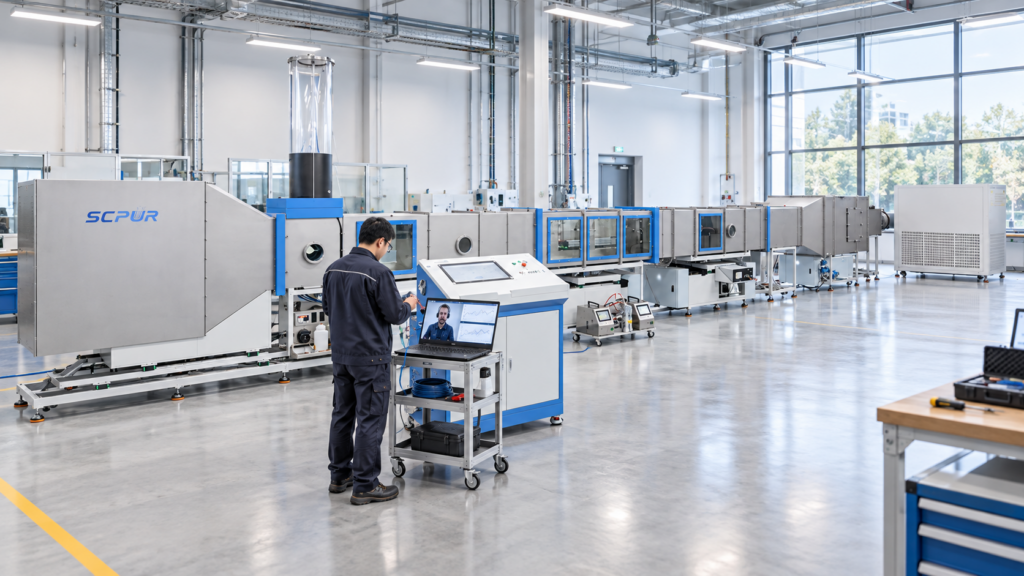
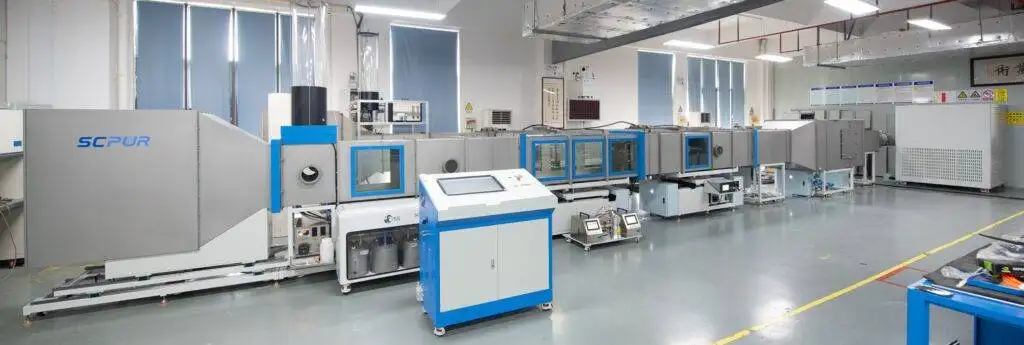
Defina a faixa de eficiência desejada, tamanho de partícula ou aerossol, área de amostra e velocidade facial primeiro. Em seguida, avalie a capacidade de contagem upstream e downstream, diluição, vedação do suporte, repetibilidade, calibração e rastreabilidade de dados. SCPUR SC-FT-1406D, SC-FT-1406DH e SC-FT-1406DU são configurados para mídias planas em diferentes faixas de eficiência. Eles não são bancos de teste de filtros acabados, e a seleção deve começar com a amostra e o objetivo do teste, e não apenas com os rótulos HEPA ou ULPA.
Recommended Test System: