

ИСО 16890 и АШРАЭ 52.2 оба используются для оценки воздухоочистительных устройств для общей вентиляции.. Однако, они используют разные системы классификации, процедуры испытаний и методы расчета.
ИСО 16890 сообщает ISO Coarse, ePM10, Классификации ePM2.5 и ePM1. АШРАЭ 52.2 сообщает о минимальном отчетном значении эффективности, или МЕРВ.
Точного преобразования между классификацией ISO ePM и рейтингом MERV не существует.. Поэтому производителям, поставляющим товары на разные рынки, может потребоваться протестировать один и тот же продукт в соответствии с обоими стандартами..
Сравнение с первого взгляда
| Элемент | ИСО 16890 | АШРАЭ 52.2 |
| Первичная классификация | ISO Coarse, ePM10, ePM2.5, ePM1 | MERV |
| Типичное рыночное использование | Международные рынки | Североамериканский рынок |
| Основа эффективности | Дробная эффективность обработана с использованием стандартизированных распределений ТЧ. | Эффективность удаления частиц в определенных диапазонах размеров |
| Кондиционирование | Полное кондиционирование фильтра согласно ISO 16890-4 | Процедуры, определенные ASHRAE 52.2 и соответствующие приложения |
| Загрузка пыли | Отдельные гравиметрические испытания и испытания на устойчивость по ISO. 16890-3 | Часть предписанной последовательности испытаний ASHRAE. |
| Основной выход | Группа ePM и заявленный процент | Данные MERV и эффективности размера частиц |
Как ИСО 16890 Классифицирует фильтры
ИСО 16890 измеряет фракционную эффективность в диапазоне размеров частиц. Полученные исходные и условные кривые эффективности обрабатываются с использованием стандартизированных эталонных распределений частиц по размерам..
Результаты расчета определяют, соответствует ли фильтр требованиям:
- ИСО еПМ1
- ISO ePM2.5
- ИСО еПМ10
- ISO Coarse
Результат ISO ePM обеспечивает стандартизированную основу для сравнения фильтров.. Это не прямое измерение эффективности каждого реального атмосферного аэрозоля..
ИСО 16890 также включает метод загрузки пыли для измерения гравиметрической эффективности и сопротивления в зависимости от массы уловленной пыли.. Это отдельный тест производительности, который не определяет классификацию ePM..
Как АШРАЭ 52.2 Назначает МЕРВ
АШРАЭ 52.2 оценивает эффективность удаления в зависимости от размера частиц. Данные об эффективности размера частиц сгруппированы в три диапазона.:
- Е1: 0.3–1,0 мкм
- Е2: 1.0–3,0 мкм
- Е3: 3.0–10 мкм
Процедура испытания оценивает эффективность удаления частиц и сопротивление воздушному потоку в соответствии с установленной последовательностью.. Соответствующие результаты эффективности затем используются для определения рейтинга MERV..
Потому что MERV и ePM рассчитываются по-разному., такие заявления, как «МЕРВ 13 равно ePM2,5» не следует использовать в качестве формальных преобразований.. Приблизительные сравнительные таблицы могут быть полезны для общего обсуждения., но они не могут заменить тестирование по стандарту, требуемому заказчиком.
Почему результаты не могут быть преобразованы напрямую
Эти два стандарта различаются:
- Тестовый аэрозоль
- Размерные каналы и группировка частиц
- Процедура кондиционирования
- Процедура загрузки пыли
- Классификационный расчет
- Последовательность испытаний
- Требования к отчетности
Фильтр может хорошо работать в соответствии с обоими стандартами., но результат одного метода не может быть использован для подтверждения соответствия другому методу..
Необходимо также учитывать воздушный поток.. Эффективность и падение давления, измеренные при различных скоростях воздушного потока, напрямую не сопоставимы..
Какой стандарт должен использовать производитель??
Используйте стандарт, требуемый клиентом, контракт или целевой рынок.
ИСО 16890 обычно выбирается, когда клиентам требуется классификация ISO ePM или ISO Coarse.. АШРАЭ 52.2 обычно выбирается, когда рынок требует MERV.
Производителям, обслуживающим клиентов как из других стран, так и из Северной Америки, может потребоваться испытательная платформа, настроенная для обоих методов.. Совместное использование одного и того же воздуховода, возможна установка вентилятора и системы измерения давления, но поколение аэрозоля, кондиционирование, загрузка, программное обеспечение и процедуры отчетности должны поддерживать каждый стандарт отдельно..
Информация, необходимая перед выбором оборудования
Перед настройкой тестовой системы, определять:
- Требуемый стандарт и редакция
- Тип фильтра и максимальные размеры
- Номинальный расход воздуха и диапазон падения давления
- Целевая группа ISO ePM или рейтинг MERV
- Необходимые процедуры кондиционирования и пылезагрузки
- Ежедневный или еженедельный объем тестирования
- Разработка продукта, классификация или цель производства-QC
- Требования к калибровке и отчету
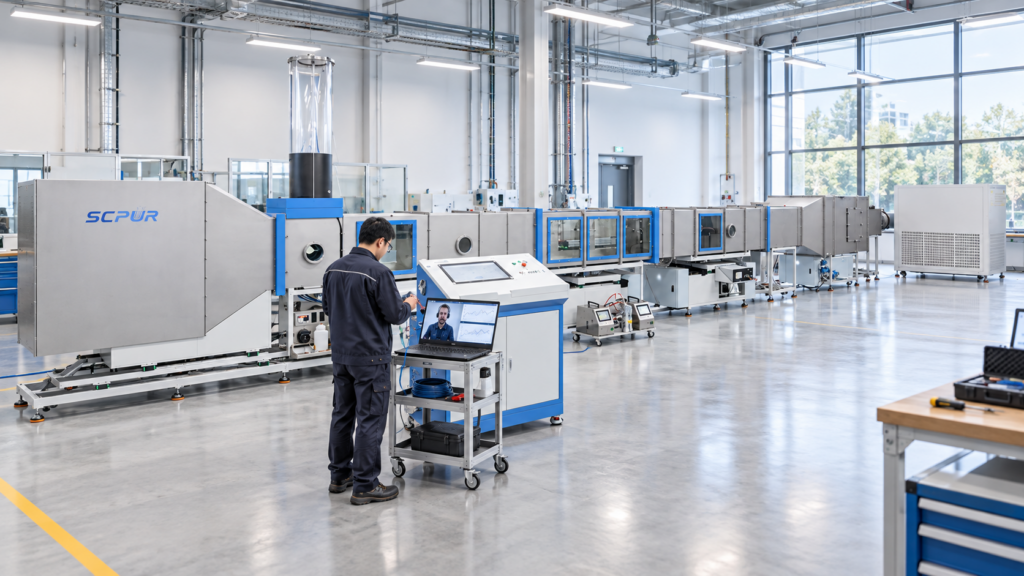
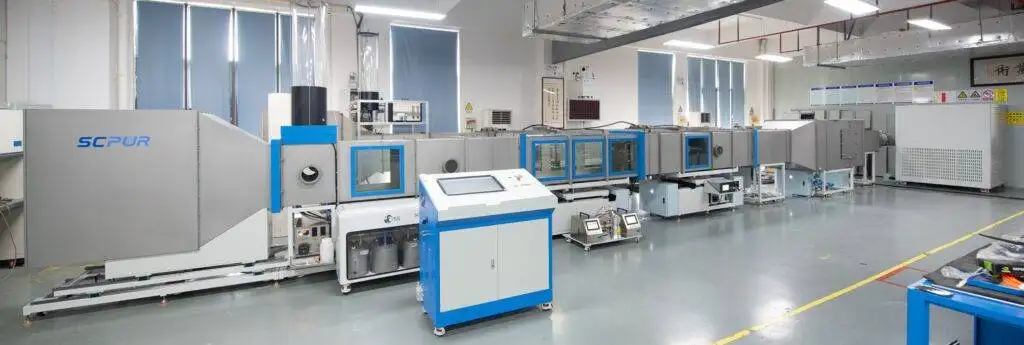
SCPUR предоставляет настраиваемые системы тестирования фильтров общей вентиляции по стандарту ISO. 16890 и АШРАЭ 52.2 приложения. Каждая система настраивается в соответствии с требуемым объемом испытаний, а не полагается на приблизительное преобразование двух стандартов..
Recommended Test System:
SC-16890 Система испытания воздушных фильтров общей вентиляции