

ISO 16890 e ASHRAE 52.2 são ambos usados para avaliar dispositivos de purificação de ar para ventilação geral. No entanto, eles usam diferentes sistemas de classificação, procedimentos de teste e métodos de cálculo.
ISO 16890 relata ISO Grosso, ePM10, Classificações ePM2.5 e ePM1. ASHRAE 52.2 informa um Valor Mínimo de Relatório de Eficiência, ou MERV.
Não há conversão exata entre uma classificação ISO ePM e uma classificação MERV. Os fabricantes que fornecem mercados diferentes podem, portanto, precisar testar o mesmo produto de acordo com ambos os padrões.
Comparação resumida
| Item | ISO 16890 | ASHRAE 52.2 |
| Classificação primária | ISO Coarse, ePM10, ePM2.5, ePM1 | MERV |
| Uso típico de mercado | Mercados internacionais | Mercado norte-americano |
| Base de eficiência | Eficiência fracionária processada usando distribuições padronizadas de PM | Eficiência de remoção de tamanho de partícula em faixas de tamanho definidas |
| Condicionamento | Condicionamento de filtro completo de acordo com ISO 16890-4 | Procedimentos definidos pela ASHRAE 52.2 e seus apêndices aplicáveis |
| Carregamento de poeira | Teste gravimétrico e de resistência separado sob ISO 16890-3 | Parte da sequência de teste prescrita pela ASHRAE |
| Saída principal | grupo ePM e porcentagem informada | Dados de MERV e eficiência de tamanho de partícula |
Como ISO 16890 Classifica filtros
ISO 16890 mede a eficiência fracionária em uma variedade de tamanhos de partículas. As curvas de eficiência iniciais e condicionadas resultantes são processadas usando distribuições de tamanho de partícula de referência padronizadas.
Os resultados calculados determinam se o filtro se qualifica como:
- ISO ePM1
- ISO ePM2.5
- ISO ePM10
- ISO Coarse
Um resultado ISO ePM fornece uma base padronizada para comparação de filtros. Não é uma medição direta do desempenho em relação a todos os aerossóis atmosféricos reais..
ISO 16890 também inclui um método de carregamento de poeira para medir a eficiência gravimétrica e a resistência versus massa de poeira capturada. Este é um teste de desempenho separado e não determina a classificação do ePM.
Como ASHRAE 52.2 Atribui MERV
ASHRAE 52.2 avalia a eficiência de remoção em função do tamanho da partícula. Os dados de eficiência do tamanho das partículas são agrupados em três faixas:
- E1: 0.3–1,0 µm
- E2: 1.0–3,0 µm
- E3: 3.0–10 µm
O procedimento de teste avalia o desempenho de remoção de partículas e a resistência ao fluxo de ar de acordo com a sequência prescrita. Os resultados de eficiência aplicáveis são então usados para determinar a classificação MERV.
Porque MERV e ePM são calculados de forma diferente, declarações como “MERV 13 é igual a ePM2.5” não deve ser usado como conversões formais. Gráficos de comparação aproximados podem ser úteis para discussão geral, mas eles não podem substituir testes sob o padrão exigido pelo cliente.
Por que os resultados não podem ser convertidos diretamente
Os dois padrões diferem em:
- Aerossol de teste
- Canais e agrupamento de tamanho de partícula
- Procedimento de condicionamento
- Procedimento de carregamento de poeira
- Cálculo de classificação
- Sequência de teste
- Requisitos de relatórios
Um filtro pode ter um excelente desempenho em ambos os padrões, mas o resultado de um método não pode ser usado para reivindicar conformidade com o outro.
O fluxo de ar também deve ser considerado. A eficiência e a queda de pressão medidas em diferentes taxas de fluxo de ar não são diretamente comparáveis.
Qual padrão um fabricante deve usar?
Utilize o padrão exigido pelo cliente, contrato ou mercado-alvo.
ISO 16890 normalmente é selecionado quando os clientes exigem uma classificação ISO ePM ou ISO Coarse. ASHRAE 52.2 normalmente é selecionado quando o mercado exige MERV.
Os fabricantes que fornecem clientes internacionais e norte-americanos podem precisar de uma plataforma de teste configurada para ambos os métodos. Compartilhando o mesmo duto, ventilador e sistema de medição de pressão são possíveis, mas a geração de aerossol, condicionamento, carregando, software e procedimentos de relatórios devem suportar cada padrão separadamente.
Informações necessárias antes de selecionar o equipamento
Antes de configurar um sistema de teste, definir:
- Padrão e edição necessários
- Tipo de filtro e dimensões máximas
- Fluxo de ar nominal e faixa de queda de pressão
- Grupo ISO ePM alvo ou classificação MERV
- Procedimentos necessários de condicionamento e carregamento de poeira
- Volume de testes diário ou semanal
- Desenvolvimento de produto, finalidade de classificação ou produção-QC
- Requisitos de calibração e relatório
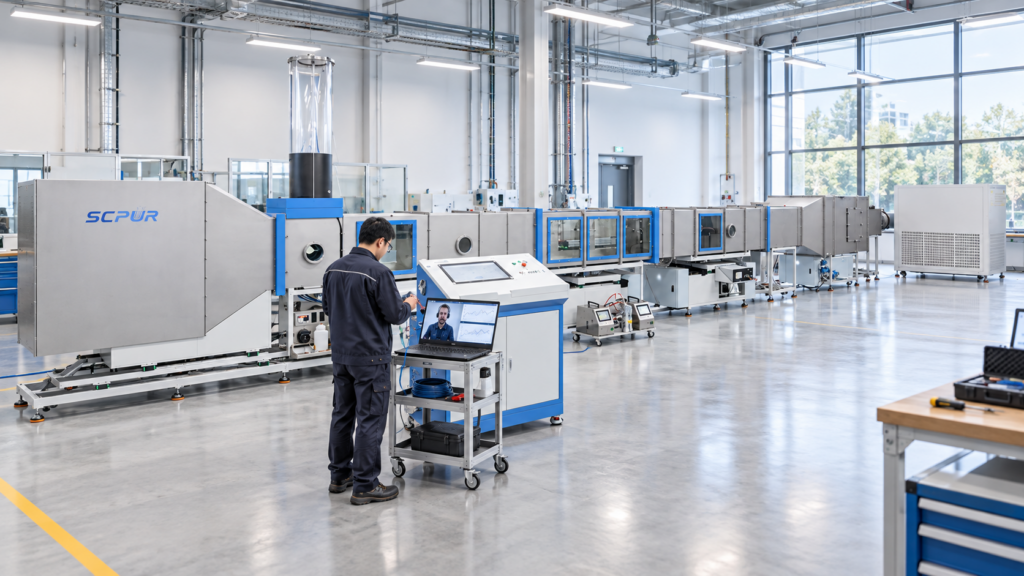
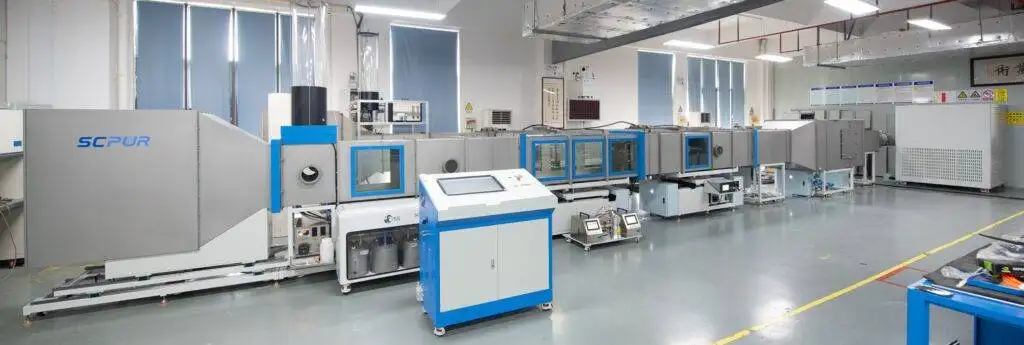
SCPUR fornece sistemas configuráveis de teste de filtro de ventilação geral para ISO 16890 e ASHRAE 52.2 aplicações. Cada sistema é configurado de acordo com o escopo de teste exigido, em vez de depender de uma conversão aproximada entre os dois padrões.
Recommended Test System:
Sistema de teste de filtro de ar de ventilação geral SC-16890