

Tiêu chuẩn hiện tại và tiêu chuẩn kế thừa
TRONG 779 là tiêu chuẩn phân loại chính của Châu Âu cho các bộ lọc thông gió chung trước EN ISO 16890 loạt thay thế nó trong thông số kỹ thuật hiện hành của châu Âu. TRONG 779 kết quả có thể vẫn xuất hiện trong tài liệu khách hàng cũ hơn, hồ sơ sản phẩm đã cài đặt hoặc yêu cầu sản xuất kế thừa.
ISO 16890 sử dụng phương pháp phân loại và tính toán khác. Một G hiện có, Lớp M hoặc F không thể tự động chuyển đổi thành lớp ISO ePM. Nếu khách hàng yêu cầu ISO 16890 kết quả, bộ lọc phải được đánh giá bằng ISO hiện hành 16890 thủ tục.
Hệ thống phân loại
| So sánh | TRONG 779 | ISO 16890 |
| Trạng thái | Tiêu chuẩn Châu Âu kế thừa | Hệ thống quốc tế hiện tại cho các bộ lọc thông gió chung |
| Lớp học | G1-G4, M5-M6 và F7-F9 | ISO Coarse, ISO ePM10, ISO ePM2.5 và ISO ePM1 |
| Cơ sở hiệu quả | Khả năng giữ lại trung bình cho các bộ lọc thô và 0.4 Hiệu suất micromet cho bộ lọc trung bình và tốt | Đường cong hiệu suất phân số kết hợp với phân phối tham chiếu PM được tiêu chuẩn hóa |
| Xử lý tĩnh điện | Phương pháp xử lý xác định được sử dụng cho một số yêu cầu về hiệu suất tối thiểu của bộ lọc tinh | Bộ lọc hoàn chỉnh được điều hòa theo tiêu chuẩn ISO 16890-4 để xác định hiệu quả thử nghiệm phân đoạn tối thiểu |
| Tải bụi | Được sử dụng trong EN 779 trình tự kiểm tra | ISO 16890-3 báo cáo hiệu suất trọng lượng và sự phát triển sức đề kháng tách biệt với phân loại ePM |
| Kết quả báo cáo | Một G, Lớp M hoặc F | Nhóm ISO ePM và tỷ lệ phần trăm được làm tròn, hoặc ISO thô |
Tại sao không có chuyển đổi trực tiếp
Bộ lọc được thử nghiệm theo EN 779 và cùng một bộ lọc được thử nghiệm theo ISO 16890 có thể tạo ra kết quả có vẻ tương tự, nhưng các tiêu chuẩn không sử dụng cách đánh giá khí dung tương tự, tuyến đường điều hòa, phạm vi hạt, tính toán hoặc ranh giới lớp. Biểu đồ so sánh thị trường có thể cho thấy xu hướng lịch sử, nhưng nó không phải là bảng chuyển đổi được công nhận theo tiêu chuẩn.
Do đó, các câu lệnh như F7 bằng ePM2.5 hoặc F9 bằng ePM1 phải được xóa khỏi báo cáo kỹ thuật, nhãn sản phẩm và tài liệu hợp đồng trừ khi chúng được xác định rõ ràng là ước tính thị trường không theo quy chuẩn. Thậm chí sau đó, lớp ISO thực tế phải đến từ ISO 16890 Bài kiểm tra.
Các phương pháp kiểm tra khác nhau như thế nào
TRONG 779 đã sử dụng bụi tải tổng hợp như một phần của trình tự thử nghiệm và nhấn mạnh khả năng giữ lại trung bình cho các bộ lọc thô và hiệu quả ở mức 0.4 micromet cho bộ lọc trung bình và tốt. Các phiên bản sau này cũng đề cập đến ảnh hưởng của điện tích đối với việc phân loại bộ lọc tinh..
ISO 16890 đo đường cong hiệu suất phân số và áp dụng phân bố kích thước hạt tham chiếu để tính ePM1, Giá trị ePM2.5 và ePM10. Quy trình điều hòa hơi IPA được chỉ định được sử dụng để xác định hiệu suất thử nghiệm từng phần tối thiểu. Tải bụi theo ISO 16890-3 đo hiệu quả trọng lượng và khả năng chống lại khối lượng bụi thu được, nhưng không đặt lớp ePM.
Nhà sản xuất nên làm gì
- Giữ nguyên EN 779 báo cáo khi chúng được yêu cầu cho các sản phẩm lịch sử hoặc thông số kỹ thuật của khách hàng hiện tại.
- Sử dụng ISO 16890 thử nghiệm và phân loại các yêu cầu ISO ePM mới.
- Không dán nhãn lại EN 779 lớp dưới dạng lớp ePM không có ISO áp dụng 16890 Bài kiểm tra.
- Nêu rõ tiêu chuẩn và phiên bản trên mỗi báo cáo thử nghiệm và công bố sản phẩm.
- Giữ phân loại ePM, dữ liệu giảm áp suất và kết quả tải bụi dưới dạng đầu ra được báo cáo riêng biệt.
Ý nghĩa thiết bị
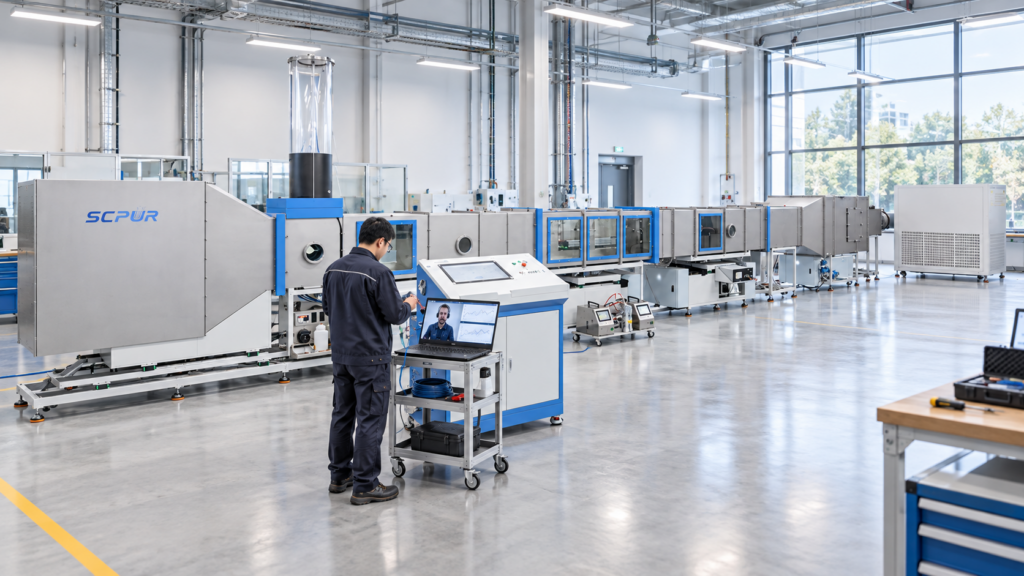
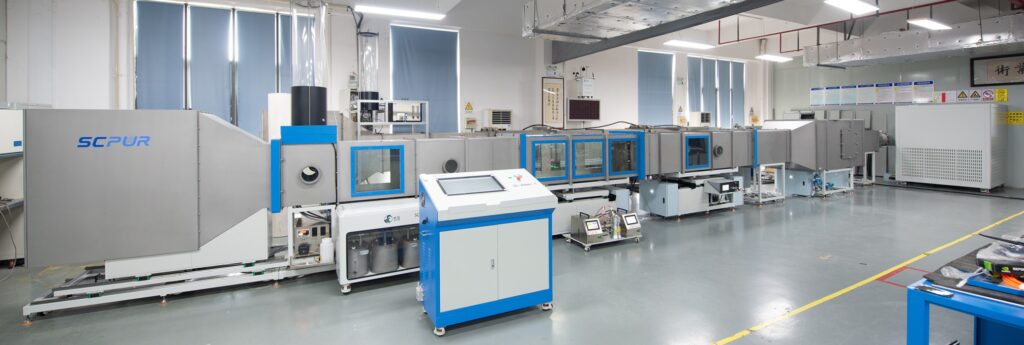
Phòng thí nghiệm hỗ trợ cả hai phương pháp cần đo lưu lượng khí và áp suất được xác nhận, tạo khí dung, phép đo hạt ngược dòng và hạ lưu và tính toán phần mềm chính xác. ISO 16890 Ngoài ra còn yêu cầu khả năng điều hòa được chỉ định để phân loại, và ISO 16890-3 tải bụi yêu cầu nạp bụi có kiểm soát, thu gom và cân ở hạ lưu.
Một hệ thống không nên được mô tả là hỗ trợ cả hai tiêu chuẩn chỉ vì nó có quạt, máy đếm ống và hạt. Các chức năng kiểm tra được cấu hình và logic báo cáo phải phù hợp với quy trình được yêu cầu.