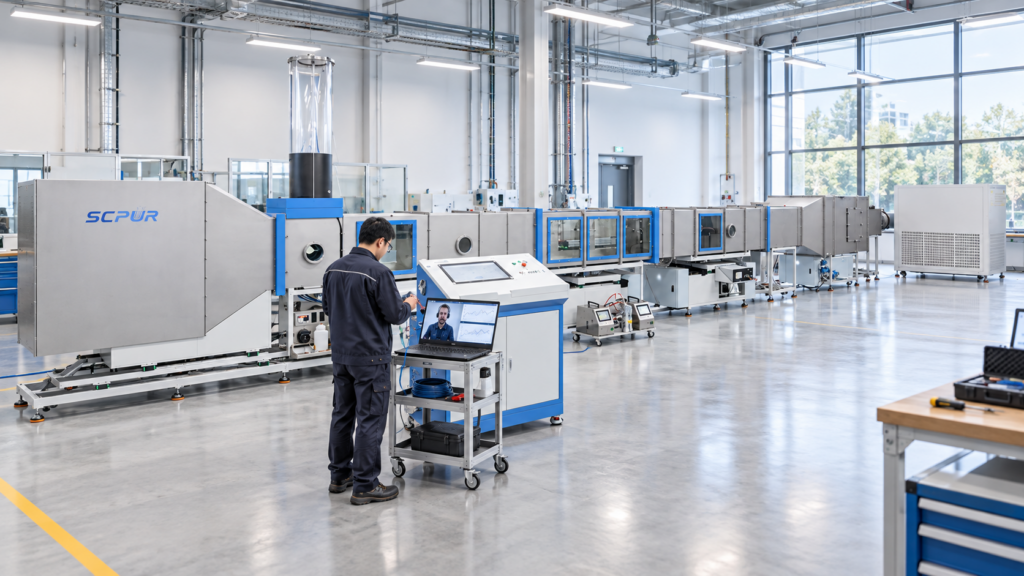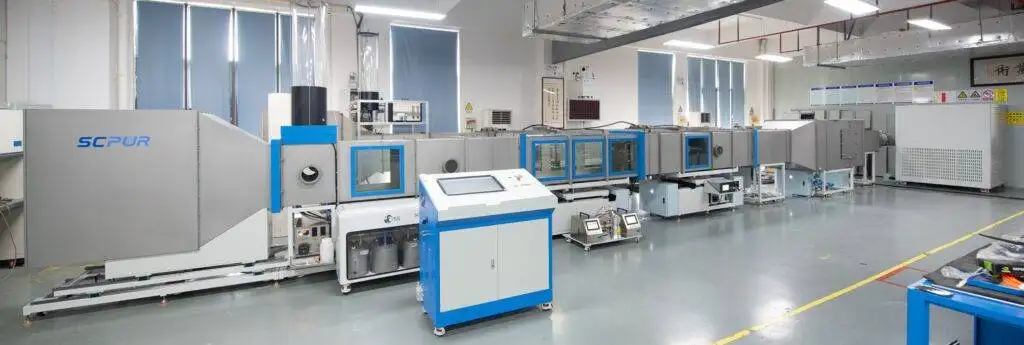


"ايزو 16890 "معدات الاختبار" لا تشير إلى أداة واحدة.
يمكن أن يشمل المختبر الكامل قياس الكفاءة الكسرية, مقاومة تدفق الهواء, تكييف الفلتر, تحميل الغبار, وظائف الوزن ومعالجة البيانات. قد تستخدم هذه الوظائف وحدات متصلة, لكنهم لا يقومون جميعًا بنفس الاختبار.
يعتمد التكوين الصحيح على ما إذا كان المختبر يحتاج إلى تطوير المنتج, مراقبة الجودة الروتينية أو الاختبار الكامل وفقًا لمعايير ISO 16890 مسلسل.
حدد نطاق الاختبار أولاً
قبل اختيار المعدات, تحديد النتائج المطلوبة:
- منحنى الكفاءة الكسرية الأولي
- الكفاءة الكسرية المشروطة
- تصنيف ISO ePM
- منحنى مقاومة تدفق الهواء
- الكفاءة الوزنية
- المقاومة مقابل كتلة الغبار الملتقطة
- سعة الغبار
- مقارنة الإنتاج الداخلي
- تقرير اختبار العميل الرسمي
لا يمكن للنظام الذي تم تكوينه لاختبار الكفاءة والمقاومة فقط تنفيذ إجراءات التكييف وتحميل الغبار بالكامل بدون الوحدات المقابلة.
1. قناة اختبار تدفق الهواء
توفر قناة الاختبار تدفق هواء يتم التحكم فيه من خلال الفلتر.
تكوينها يعتمد على:
- الحد الأقصى لأبعاد الفلتر
- نوع الفلتر
- تدفق الهواء المقدر
- نطاق الضغط المطلوب
- اتجاه الاختبار
- مساحة المختبر المتاحة
يجب أن توفر القناة تدفق هواء ثابتًا, توزيع التدفق المناسب وتسرب النظام المنخفض. يجب أن تتغلب المروحة على مقاومة القناة, مكونات التصفية والقياس في جميع أنحاء نطاق التشغيل المطلوب.
يجب أن تغطي أجهزة قياس تدفق الهواء وأجهزة استشعار الضغط ظروف الفلتر النظيف والفلتر المحمل.
2. توليد الهباء الجوي والخلط
يتطلب اختبار الكفاءة التجزيئية هباءً اختباريًا ثابتًا يتجاوز نطاق حجم الجسيمات المطلوب.
يجب أن يوفر نظام الهباء الجوي:
- التوزيع المناسب لحجم الجسيمات
- تركيز مستقر
- إخراج مناسب عند أقصى تدفق للهواء
- الخلط الفعال قبل أخذ العينات المنبع
- التحكم في التبديل والتنظيف
لا يمكن تحديد كمية المولد وتكوينه من حجم الفلتر وحده. الحد الأقصى لتدفق الهواء والتركيز المطلوب مهمان أيضًا.
3. قياس الجسيمات وأخذ العينات
يتم قياس تركيزات الجسيمات الأولية والمصب عبر نطاق الحجم المطلوب.
قد يتطلب النظام:
- عدادات الجسيمات أو أدوات قياس الجسيمات
- تحقيقات أخذ العينات المنبع والمصب
- التبديل التلقائي لأخذ العينات
- التخفيف لتركيزات أعلى المنبع
- أنابيب أخذ العينات الخاضعة للرقابة
- مراقبة الخلفية
نطاق الصك, تؤثر إحصائيات القرار والعد على نتيجة الكفاءة. لا يمكن تصحيح عداد الجسيمات ذو نطاق التركيز الخاطئ ببساطة من خلال البرنامج.
4. خزانة تكييف الفلتر
ايزو 16890 يتم إجراء التكييف في خزانة مخصصة وفقًا لمعايير ISO 16890-4.
والغرض منه هو تحديد الحد الأدنى لكفاءة الاختبار الجزئي بعد تقليل تأثير الشحنة الكهروستاتيكية. إنها ليست عملية تحميل للغبار ولا ينبغي وصفها بأنها محاكاة لشيخوخة المجال.
تعتبر خزانة التكييف وحدة وظيفية منفصلة عن قناة الاختبار الرئيسية.
5. معدات تحميل ووزن الغبار
ايزو 16890-3 يقيم الكفاءة الوزنية والمقاومة مقابل كتلة الغبار الملتقطة.
يمكن أن تشمل المعدات المطلوبة:
- وحدة تغذية الغبار الاختبارية
- نظام تشتيت الغبار والحقن
- منطقة تحضير ومعالجة الغبار
- معدات الوزن الدقيقة
- مراقبة المقاومة
- ترتيبات جمع العادم أو الغبار
- برنامج لتحميل بيانات المرحلة
تحميل الغبار منفصل عن إجراء تصنيف ePM. فهو يوفر بيانات تحميل مقارنة بدلاً من التنبؤ الدقيق لوقت استبدال الحقل.
6. برامج التحكم وإعداد التقارير
يمكن للبرامج التنسيق:
- التحكم في تدفق الهواء
- توليد الهباء الجوي
- تبديل الصك
- إعدادات التخفيف
- تسلسلات الاختبار
- الحصول على البيانات
- حساب الكفاءة
- تصنيف
- التعامل مع الإنذار
- توليد التقرير
تعمل الأتمتة على تحسين إمكانية التكرار والتتبع, ولكن لا يزال يتعين التحقق من صحة منطق الحساب وسلسلة القياس.
هل يمكن لنظام واحد أن يدعم معايير أخرى؟?
قد تتم مشاركة بعض الأجهزة بين ISO 16890, أشراي 52.2 والإرث EN 779 اختبار, مشتمل:
- قناة الاختبار
- معجب
- قياس تدفق الهواء
- قياس الضغط
- جزء من نظام أخذ عينات الجسيمات
لكن, تستخدم المعايير الهباء الجوي المختلفة, إجراءات التكييف أو التحميل, الحسابات وتنسيقات التقارير.
لا ينبغي وصف النظام بأنه متوافق مع عدة معايير إلا إذا توفرت الأجهزة المطلوبة, تم التحقق من الأدوات والإجراءات البرمجية لكل طريقة.
المعلومات المطلوبة لاختيار المعدات
يجب أن يطلب مورد المعدات:
- الحد الأقصى لحجم المرشح والبناء
- الحد الأدنى والحد الأقصى لتدفق الهواء
- الحد الأقصى المتوقع لانخفاض الضغط
- الأجزاء المطلوبة من ISO 16890
- نطاق ePM المستهدف
- الهباء الجوي والأدوات المطلوبة
- حجم الاختبار ومستوى الأتمتة
- أبعاد المختبر والمرافق
- متطلبات المعايرة والتتبع
- آشري المستقبل 52.2 أو إن 779 التوافق
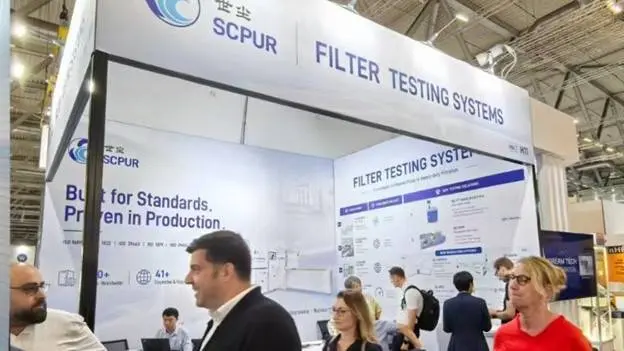
يقوم SCPUR بتكوين ISO 16890 المختبرات حسب الفلتر, نطاق تدفق الهواء ونطاق الاختبار المطلوب. الكفاءة الكسرية, يتم التعامل مع التكييف وتحميل الغبار على أنهما قدرات متصلة ولكن منفصلة, السماح للمصنعين باختيار الوحدات التي يحتاجونها بالفعل.
Recommended Test System:SC-16890 نظام اختبار فلتر هواء التهوية العامة