

आईएसओ 29461-1 और आईएसओ 5011 दोनों का उपयोग वायु-सेवन निस्पंदन में किया जाता है, लेकिन वे वही प्रदर्शन प्रश्न नहीं पूछते हैं.
- आईएसओ 29461-1 स्थिर रोटरी मशीनरी के लिए वायु सेवन प्रणालियों में उपयोग किए जाने वाले पार्टिकुलेट फ़िल्टर तत्वों के स्थिर प्रदर्शन का मूल्यांकन करता है. फ़िल्टर दक्षता पर निर्भर करता है, यह आईएसओ को लागू और विस्तारित करता है 16890 या आईएसओ 29463 तरीके और लागू आईएसओ टी वर्गीकरण और सहायक कण-दक्षता डेटा का उत्पादन करता है.
- आईएसओ 5011 आंतरिक दहन इंजन और कंप्रेसर पर उपयोग किए जाने वाले वायु क्लीनर की तुलना करने के लिए प्रयोगशाला प्रक्रियाएं प्रदान करता है. इसके मूल परिणाम प्रतिबंध पर आधारित हैं, ग्रेविमेट्रिक धूल-संग्रह दक्षता, धूल क्षमता, और संबंधित प्रदर्शन विशेषताएँ.
इसलिए अंतर केवल "औद्योगिक फ़िल्टर बनाम ऑटोमोटिव फ़िल्टर" नहीं है। दोनों मानक औद्योगिक कंप्रेसर या स्थिर-इंजन परियोजनाओं में दिखाई दे सकते हैं. चयन परीक्षण वस्तु पर निर्भर करता है, ग्राहक विशिष्टता, चुनौती सामग्री, आवश्यक परिणाम, और माप विधि.
वर्तमान संस्करण और दायरा
वर्तमान संस्करण और दायरा
यह तुलना प्रकाशन के समय उपलब्ध वर्तमान संस्करणों का उपयोग करती है:
- आईएसओ 29461-1:2021, *रोटरी मशीनरी के लिए वायु सेवन फ़िल्टर सिस्टम – परीक्षण के तरीके – भाग 1: स्थैतिक फ़िल्टर तत्व*; और
- आईएसओ 5011:2025, *आंतरिक दहन इंजन और कंप्रेसर के लिए इनलेट वायु सफाई उपकरण – प्रदर्शन परीक्षण*.
आईएसओ 29461-1:2021 वर्तमान में व्यवस्थित समीक्षा चल रही है. एक अनुबंध के लिए, मान्यता का दायरा, या नई परीक्षण-प्रणाली विशिष्टता, विधि को फ़्रीज़ करने से पहले आवश्यक संस्करण की पुष्टि करें.
एक नज़र में तुलना
एक नज़र में तुलना
| तुलना बिंदु | आईएसओ 29461-1 | आईएसओ 5011 |
|---|---|---|
| मुख्य अनुप्रयोग | स्थिर गैस टर्बाइन, औद्योगिक कंप्रेसर और अन्य स्थिर रोटरी मशीनरी | ऑटोमोटिव और औद्योगिक अनुप्रयोगों में आंतरिक दहन इंजन और कंप्रेसर |
| विशिष्ट परीक्षण वस्तु | व्यक्तिगत स्थैतिक कण फ़िल्टर तत्व | पूर्ण एयर क्लीनर या सहमत एयर-क्लीनर तत्व/असेंबली |
| प्राथमिक परीक्षण तर्क | लागू आईएसओ का उपयोग करके कण-आकार दक्षता और वर्गीकरण 16890 या आईएसओ 29463 शाखा | मानकीकृत धूल लोडिंग के तहत ग्रेविमेट्रिक तुलना |
| चुनौती सामग्री | फ्रैक्शनल या एमपीपीएस माप के लिए एयरोसोल का परीक्षण करें; मानकीकृत धूल जहां चयनित लोडिंग प्रक्रिया के लिए इसकी आवश्यकता होती है | प्रक्रिया के लिए मानकीकृत आईएसओ परीक्षण धूल का चयन किया गया |
| मुख्य यंत्र | कण माप प्रणाली, अपस्ट्रीम/डाउनस्ट्रीम नमूनाकरण, एयरोसोल जनरेटर, वायु प्रवाह और दबाव माप; लोडिंग के दौरान ग्रेविमेट्रिक उपकरण शामिल है | धूल खिलाने वाला, वायु प्रवाह और दबाव माप, परीक्षण-वायु-क्लीनर और डाउनस्ट्रीम द्रव्यमान संग्रह, और अंशांकित संतुलन |
| वायु प्रवाह आधार | की स्पष्ट मानक सीमा 850 को 8,500 फ़िल्टर तत्वों के लिए m³/h | रेटेड एयर क्लीनर और लागू प्रक्रिया के लिए चयनित एयरफ्लो का परीक्षण करें; इसे सार्वभौमिक "मध्यम-प्रवाह" लेबल द्वारा वर्णित नहीं किया जाना चाहिए |
| मुख्य परिणाम | लागू ईपीएम के साथ आईएसओ टी वर्गीकरण- या एमपीपीएस-संबंधित डेटा, प्रतिरोध और अन्य सहमत परिणाम | बंधन, गुरुत्वाकर्षणमिति दक्षता, धूल क्षमता, पूर्ण-जीवन या वृद्धिशील प्रदर्शन और संबंधित डेटा |
| प्रत्यक्ष वर्ग रूपांतरण | लागू नहीं | आईएसओ 5011 ISO T उत्पन्न नहीं करता, ईपीएम, MERV या HEPA वर्ग |
1. अनुप्रयोग सीमा में एक ओवरलैप है
1. अनुप्रयोग सीमा में एक ओवरलैप है
आईएसओ 29461-1 स्थिर गैस टर्बाइन जैसी रोटरी मशीनरी की सुरक्षा करने वाले स्थिर वायु सेवन प्रणालियों में पार्टिकुलेट फिल्टर के लिए लिखा गया है, कंप्रेशर्स, और अन्य स्थिर आंतरिक दहन इंजन. परीक्षण वस्तु आम तौर पर एक व्यक्तिगत फ़िल्टर तत्व होती है. यह आम तौर पर पूर्ण स्थापित इनटेक सिस्टम के प्रत्यक्ष क्षेत्र प्रदर्शन को मापता नहीं है.
आईएसओ 5011 ऑटोमोटिव और औद्योगिक अनुप्रयोगों दोनों में आंतरिक दहन इंजन और कंप्रेसर पर उपयोग किए जाने वाले एयर क्लीनर पर लागू होता है. इसलिए यह यात्री और वाणिज्यिक वाहनों को कवर कर सकता है, निर्माण और कृषि मशीनरी, हेवी-ड्यूटी इंजन, स्थिर इंजन, और प्रासंगिक कंप्रेसर एयर क्लीनर.
यह एक वास्तविक ओवरलैप बनाता है: एक औद्योगिक कंप्रेसर या स्थिर आंतरिक-दहन इंजन दोनों मानकों की स्कोप भाषा में दिखाई दे सकता है. उस मामले में, केवल "कंप्रेसर" या "औद्योगिक" शब्दों में से चयन न करें। जाँच करना:
- फ़िल्टर या एयर क्लीनर की आपूर्ति और माउंटिंग कैसे की जाती है;
- उपकरण मालिक को किस प्रदर्शन परिणाम की आवश्यकता है;
- क्या खरीद दस्तावेज़ आईएसओ टी वर्गीकरण या आईएसओ के लिए पूछता है 5011 गुरुत्वाकर्षण डेटा;
- रेटेड एयरफ्लो, दबाव, और धूल का वातावरण; और
- चाहे परियोजना एक फिल्टर तत्व से संबंधित हो या संपूर्ण एयर-क्लीनर असेंबली से संबंधित हो.
ग्राहक विशिष्टता और इच्छित निर्णय निर्णायक रहते हैं.
2. परिणाम मौलिक रूप से भिन्न है
2. परिणाम मौलिक रूप से भिन्न है
आईएसओ 29461-1: वर्गीकरण और कण-दक्षता साक्ष्य
आईएसओ 29461-1: वर्गीकरण और कण-दक्षता साक्ष्य
आईएसओ 29461-1 फ़िल्टर दक्षता के अनुसार परीक्षण मार्ग को विभाजित करता है:
- कम दक्षता वाले फ़िल्टर आईएसओ से प्रक्रियाओं का उपयोग करते हैं 16890 शृंखला; और
- EPA और HEPA फ़िल्टर कम से कम 85% आईएसओ से एमपीपीएस उपयोग प्रक्रियाओं में दक्षता 29463 शृंखला.
परिणामी परीक्षण कार्यक्रम में भिन्नात्मक-दक्षता वक्र शामिल हो सकते हैं, कम दक्षता वाली शाखा के लिए ईपीएम-संबंधित गणना, उच्च दक्षता शाखा के लिए एमपीपीएस और अभिन्न-दक्षता डेटा, वायुप्रवाह प्रतिरोध, और लागू आईएसओ टी वर्गीकरण.
रिपोर्ट में अंतिम आईएसओ अवश्य रखना चाहिए 29461-1 परिणाम अंतर्निहित विधि डेटा से भिन्न है. गैस-टरबाइन इनटेक फिल्टर को केवल परिचित ईपीएम के साथ पुनः लेबल नहीं किया जाना चाहिए, ई, या एच पदनाम जब आवश्यक अंतिम वर्गीकरण लागू आईएसओ टी वर्ग है.
आईएसओ 5011: ग्रेविमेट्रिक प्रदर्शन और धूल क्षमता
आईएसओ 5011: ग्रेविमेट्रिक प्रदर्शन और धूल क्षमता
आईएसओ 5011 एयर क्लीनर की प्रत्यक्ष प्रयोगशाला तुलना के लिए डिज़ाइन किया गया है. मुख्य प्रदर्शन साक्ष्य में शामिल हैं:
- वायुप्रवाह के कार्य के रूप में प्रतिबंध या अंतर दबाव;
- प्रारंभिक ग्रेविमेट्रिक धूल-संग्रह दक्षता;
- एक परिभाषित लोडिंग परीक्षण पर पूर्ण-जीवन दक्षता;
- आवश्यकता पड़ने पर निर्दिष्ट लोडिंग चरणों पर वृद्धिशील दक्षता;
- परिभाषित परीक्षण समापन बिंदु तक धूल क्षमता; और
- जहां लागू हो वहां ऑयल-बाथ एयर क्लीनर के लिए ऑयल कैरी-ओवर.
आईएसओ 5011 MERV असाइन नहीं करता, ईपीएम, HEPA, या आईएसओ टी कक्षाएं. इसके आउटपुट एक अलग प्रश्न का उत्तर देते हैं: परिभाषित एयरफ्लो और मानकीकृत धूल-लोडिंग प्रक्रिया के तहत एयर क्लीनर कैसा प्रदर्शन करता है.
3. टेस्ट एरोसोल और टेस्ट डस्ट विनिमेय नहीं हैं
3. टेस्ट एरोसोल और टेस्ट डस्ट विनिमेय नहीं हैं
मौजूदा तुलना अक्सर भ्रामक हो जाती है जब दोनों मानकों को केवल "दक्षता और धूल-लोडिंग परीक्षण" के रूप में वर्णित किया जाता है। माप शृंखलाएँ भिन्न हैं.
आईएसओ 29461-1 कण-माप श्रृंखला
आईएसओ 29461-1 कण-माप श्रृंखला
आईएसओ 16890-संबंधित शाखा के लिए, एक नियंत्रित एरोसोल को आवश्यक कण-आकार सीमा पर अपस्ट्रीम और डाउनस्ट्रीम मापा जाता है. कण डेटा भिन्नात्मक-दक्षता और पीएम गणना का समर्थन करता है. जहां कंडीशनिंग की आवश्यकता है, डिस्चार्ज की गई दक्षता का मूल्यांकन अलग से किया जाता है.
आईएसओ 29463-संबंधित शाखा के लिए, एयरोसोल और कण उपकरण को एमपीपीएस पर या उसके आसपास परीक्षण का समर्थन करना चाहिए. इसलिए उच्च दक्षता परीक्षण के लिए पर्याप्त एकाग्रता सीमा और गिनती आंकड़ों के साथ एक सबमाइक्रोन माप प्रणाली की आवश्यकता हो सकती है, केवल एक मानक नहीं 0.3 μm ऑप्टिकल काउंटर.
धूल लोड करना एक सहमत आईएसओ का हिस्सा बन सकता है 29461-1 कार्यक्रम, लेकिन कण-आकार माप और वर्गीकरण मानक की संरचना के केंद्र में रहते हैं.
आईएसओ 5011 ग्रेविमेट्रिक चेन
आईएसओ 5011 ग्रेविमेट्रिक चेन
आईएसओ 5011 मानकीकृत परीक्षण धूल और द्रव्यमान संतुलन का उपयोग करता है. सिस्टम को नियंत्रित दर पर धूल खिलानी चाहिए, इसे वायु प्रवाह में मिलाएं, परीक्षण वायु क्लीनर और डाउनस्ट्रीम संग्रह चरण द्वारा एकत्रित द्रव्यमान को मापें, और लोडिंग बढ़ने पर प्रतिरोध में परिवर्तन को रिकॉर्ड करें.
इसके लिए विश्वसनीय वजन की आवश्यकता होती है, धूल-फ़ीड अंशांकन, डाउनस्ट्रीम निरपेक्ष संग्रह, वायुप्रवाह नियंत्रण, और परीक्षण का समय. एक वैकल्पिक भिन्नात्मक-दक्षता माप अतिरिक्त आर प्रदान कर सकता है&डी जानकारी, लेकिन यह ISO के लिए आवश्यक ग्रेविमेट्रिक विधि को प्रतिस्थापित नहीं करता है 5011 प्रदर्शन रिपोर्टिंग.
4. वायुप्रवाह की तुलना सावधानी से की जानी चाहिए
4. वायुप्रवाह की तुलना सावधानी से की जानी चाहिए
आईएसओ 29461-1 लागू आईएसओ को स्पष्ट रूप से विस्तारित करता है 16890 और आईएसओ 29463 तत्व प्रवाह दरों को फ़िल्टर करने की प्रक्रियाएँ 0.24 को 2.36 एम³/एस, या 850 को 8,500 m³/h. परीक्षण रिग को स्थिर एयरोसोल वितरण बनाए रखना चाहिए, नमूना, वायुप्रवाह माप, और इस सीमा के पार सीलिंग.
आईएसओ 5011 इसे केवल निम्न के रूप में वर्णित नहीं किया जाना चाहिए- या मध्यम-वायुप्रवाह मानक. परीक्षण वायुप्रवाह का चयन एयर क्लीनर के रेटेड अनुप्रयोग और लागू प्रक्रिया के अनुसार किया जाता है. व्यावहारिक परीक्षण रिग व्यापक रूप से भिन्न होते हैं, छोटे इंजन एयर क्लीनर से लेकर हेवी-ड्यूटी और औद्योगिक उत्पाद तक.
उपकरण चयन के लिए, वास्तविक आवश्यक न्यूनतम और अधिकतम वायुप्रवाह की तुलना करें, फ़िल्टर कनेक्शन का आकार, अपेक्षित प्रतिबंध, पंखे की क्षमता, और प्रवाह-माप सीमा. एक मानक नाम अपने आप में बेंच का आकार नहीं दर्शाता है.
5. धूल लोड करने का मतलब समान साक्ष्य नहीं है
5. धूल लोड करने का मतलब समान साक्ष्य नहीं है
आईएसओ में 5011, ग्रेविमेट्रिक दक्षता को मापने के लिए मानकीकृत धूल लोडिंग केंद्रीय है, पूर्ण जीवन प्रदर्शन, धूल क्षमता, और प्रतिरोध विकास.
आईएसओ में 29461-1, धूल लोडिंग और प्रतिरोध विकास फ़िल्टर मूल्यांकन का समर्थन कर सकता है, लेकिन भाग 1 स्थैतिक प्रदर्शन के लिए एक नियंत्रित प्रयोगशाला पद्धति बनी हुई है. इसे गैस टरबाइन या कंप्रेसर के क्षेत्र के वातावरण के पूर्ण पुनरुत्पादन के रूप में प्रस्तुत नहीं किया जाना चाहिए.
आईएसओ 29461 श्रृंखला अतिरिक्त पर्यावरण और यांत्रिक प्रश्नों को अन्य भागों में अलग करती है:
- आईएसओ 29461-2 कोहरे और धुंध में फ़िल्टर-तत्व जल सहनशक्ति को संबोधित करता है;
- आईएसओ 29461-3 परिभाषित असामान्य परिस्थितियों में यांत्रिक अखंडता को संबोधित करता है; और
- आईएसओ 29461-4 अल्ट्राफाइन नमक और परिवर्तनीय आर्द्रता का उपयोग करके तटीय और अपतटीय संचालन को संबोधित करता है.
यदि किसी परियोजना को पानी की आवश्यकता है, यांत्रिक, नमक, या आर्द्रता सहनशक्ति, केवल "आईएसओ" लिखना 29461-1 अनुपालन" पर्याप्त नहीं है. आवश्यक भाग और परीक्षण अनुक्रम अवश्य बताया जाना चाहिए.
6. परीक्षण प्रणालियों को विभिन्न कोर कॉन्फ़िगरेशन की आवश्यकता होती है
6. परीक्षण प्रणालियों को विभिन्न कोर कॉन्फ़िगरेशन की आवश्यकता होती है
| सबसिस्टम | आईएसओ 29461-1 परीक्षण प्रणाली | आईएसओ 5011 परीक्षण प्रणाली |
|---|---|---|
| परीक्षण अनुभाग | आवश्यक वायु प्रवाह पर औद्योगिक स्थैतिक फ़िल्टर तत्वों के लिए आकार और सील | सहमत एयर क्लीनर के लिए फिक्स्चर या एडाप्टर, तत्व या असेंबली और इसकी इनलेट/आउटलेट ज्यामिति |
| चुनौती पीढ़ी | लागू आईएसओ के लिए एरोसोल जनरेटर 16890 या आईएसओ 29463 शाखा; आवश्यकता पड़ने पर धूल फीडर | कैलिब्रेटेड मानकीकृत-धूल फीडर और इंजेक्शन/मिश्रण व्यवस्था |
| माप सिद्धांत | अपस्ट्रीम/डाउनस्ट्रीम कण आकार या एमपीपीएस माप प्लस एयरफ्लो और अंतर दबाव | ग्रेविमेट्रिक द्रव्यमान संग्रह और वजन प्लस वायु प्रवाह और अंतर दबाव |
| कण यंत्र | आवश्यक भिन्नात्मक सीमा के लिए ऑप्टिकल कण प्रणाली; उच्च दक्षता फिल्टर के लिए सबमाइक्रोन/एमपीपीएस उपकरण | कोर ग्रेविमेट्रिक आईएसओ के लिए आवश्यक नहीं है 5011 परिणाम; केवल अतिरिक्त आकार-संकल्पित आर के लिए वैकल्पिक&डी काम |
| द्रव्यमान माप | ग्रेविमेट्रिक लोडिंग शामिल होने पर आवश्यक है | परीक्षण-वायु-स्वच्छ द्रव्यमान के लिए आवश्यक, डाउनस्ट्रीम संग्रहण और धूल-फ़ीड सत्यापन |
| सॉफ़्टवेयर | विधि चयन, एकाग्रता नियंत्रण, नमूना अनुक्रम, दक्षता गणना, आईएसओ टी वर्गीकरण और पता लगाने योग्य रिपोर्ट | धूल-भरण नियंत्रण, रुक-रुक कर या लगातार वजन करना, लोडिंग चरण, दक्षता/क्षमता गणना और पूर्ण-जीवन रिपोर्ट |
दोनों प्रणालियाँ स्थिर वायु प्रवाह जैसे इंजीनियरिंग सिद्धांतों को साझा कर सकती हैं, कैलिब्रेटेड दबाव माप, एलार्म, डेटा प्रविष्ट कराना, और स्वचालित रिपोर्ट. तथापि, एक सामान्य पंखा और डक्ट एक विधि को दूसरे के अनुरूप नहीं बनाते हैं. चुनौती-पीढ़ी, नमूना, माप, वजन, गणना, और रिपोर्ट फ़ंक्शन सभी चयनित मानक से मेल खाने चाहिए.
7. आपको कौन सा मानक निर्दिष्ट करना चाहिए?
7. आपको कौन सा मानक निर्दिष्ट करना चाहिए?
आईएसओ चुनें 29461-1 कब:
आईएसओ चुनें 29461-1 कब:
- फ़िल्टर एक स्थिर गैस टरबाइन के लिए अभिप्रेत है, औद्योगिक कंप्रेसर, या संबंधित रोटरी-मशीनरी सेवन;
- ग्राहक को ISO T वर्गीकरण की आवश्यकता होती है;
- कण-आकार दक्षता, ईपीएम-संबंधित डेटा, या एमपीपीएस प्रदर्शन मूल्यांकन के केंद्र में है;
- तत्व आईएसओ के भीतर संचालित होता है 29461-1 वायुप्रवाह सीमा; और
- परियोजना एक व्यक्तिगत सेवन फ़िल्टर तत्व के स्थिर प्रदर्शन से संबंधित है.
आईएसओ चुनें 5011 कब:
आईएसओ चुनें 5011 कब:
- उत्पाद आंतरिक दहन इंजन या लागू कंप्रेसर के लिए एक वायु क्लीनर है;
- ग्राहक को ग्रेविमेट्रिक दक्षता की आवश्यकता होती है, प्रतिबंध, धूल क्षमता, या पूर्ण-जीवन प्रदर्शन;
- मानकीकृत धूल लोडिंग केंद्रीय चुनौती है;
- संपूर्ण एयर-क्लीनर ज्यामिति या सहमत असेंबली प्रदर्शन मूल्यांकन का हिस्सा है; और
- खरीद दस्तावेज़ या उत्पाद-विकास कार्यक्रम स्पष्ट रूप से आईएसओ को संदर्भित करता है 5011.
आपको कब दोनों की जरूरत पड़ सकती है:
आपको कब दोनों की जरूरत पड़ सकती है:
- निर्माता इंजन और गैस-टरबाइन दोनों बाजारों में फिल्टर की आपूर्ति करता है;
- एक ही उत्पाद परिवार को विभिन्न ग्राहक विशिष्टताओं के तहत बेचा जाता है;
- एक ग्राहक कण-आकार डेटा और ग्रेविमेट्रिक धूल-क्षमता डेटा दोनों का अनुरोध करता है; या
- एक आर&डी प्रोग्राम को मीडिया-स्तर की तुलना करने की आवश्यकता है, तत्व स्तर, और पूर्ण-वायु-स्वच्छ व्यवहार.
इन मामलों में, दो अलग-अलग परीक्षण क्षेत्र और रिपोर्ट परिभाषित करें. एक विधि के परिणाम को दूसरे के वर्गीकरण में परिवर्तित न करें.
8. उपकरण को कॉन्फ़िगर करने से पहले आवश्यक जानकारी
8. उपकरण को कॉन्फ़िगर करने से पहले आवश्यक जानकारी
सही परीक्षण प्रणाली का चयन करना, निम्नलिखित जानकारी तैयार करें:
- फ़िल्टर या एयर-क्लीनर चित्र, DIMENSIONS, द्रव्यमान, और कनेक्शन ज्यामिति.
- इच्छित मशीन और परिचालन वातावरण.
- आवश्यक मानक, संस्करण, कक्षा, और ग्राहक स्वीकृति मानदंड.
- रेटेड एयरफ्लो रेंज और अधिकतम अपेक्षित प्रतिरोध.
- आवश्यक एयरोसोल, धूल का परीक्षण करें, कंडीशनिंग, या सहनशक्ति प्रक्रिया.
- अंतिम रिपोर्ट पर परिणाम आवश्यक हैं.
- अपेक्षित नमूना मात्रा, उत्पादन दर, और स्वचालन का स्तर.
- क्या सिस्टम आर के लिए है?&डी, औपचारिक वर्गीकरण, आपूर्तिकर्ता योग्यता, या उत्पादन नियंत्रण.
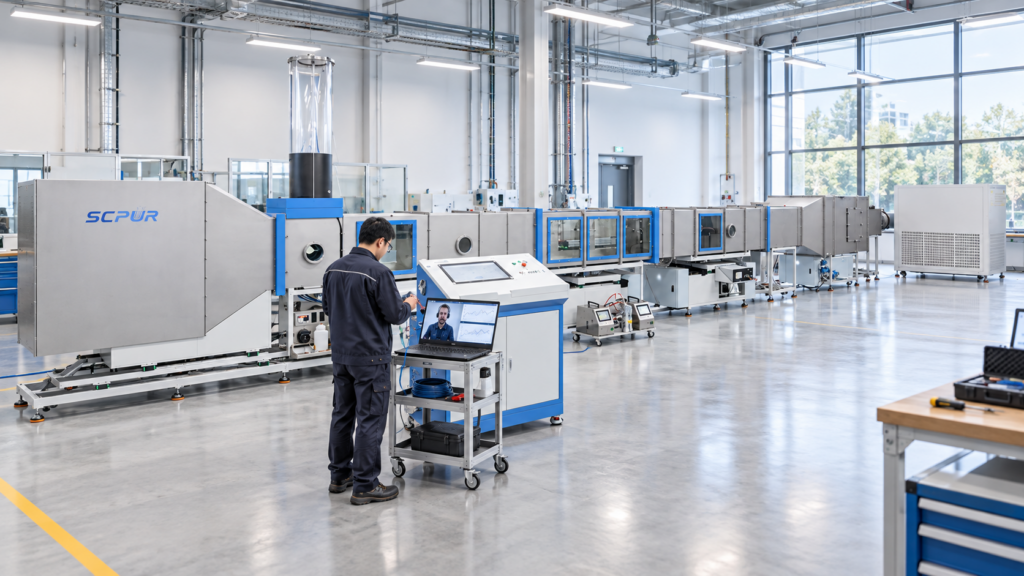
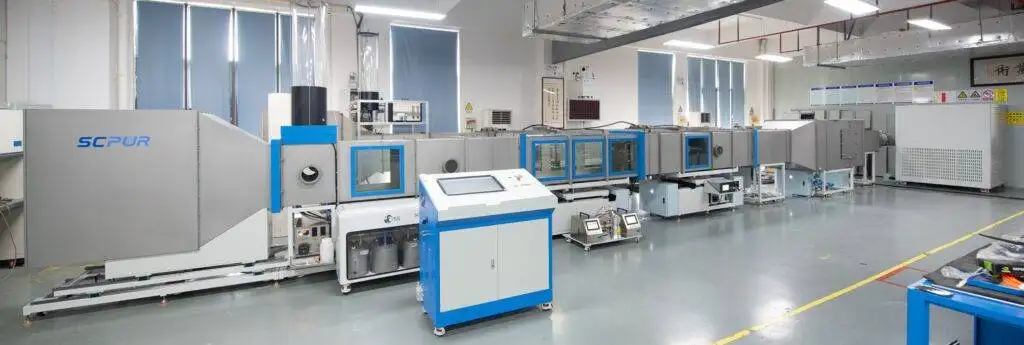
SCPUR ISO के लिए अलग परीक्षण-प्रणाली आर्किटेक्चर प्रदान करता है 29461-1 और आईएसओ 5011 क्योंकि आवश्यक साक्ष्य और माप शृंखलाएं अलग-अलग हैं. परिणाम को पहले परिभाषित करना अनावश्यक कॉन्फ़िगरेशन को रोकता है जबकि यह सुनिश्चित करता है कि चयनित प्लेटफ़ॉर्म पूर्ण आवश्यक विधि निष्पादित कर सकता है.
दो समाधान पथों की समीक्षा करें: इंजन और टर्बाइन इनटेक फ़िल्टर परीक्षण प्रणाली
अक्सर पूछे जाने वाले प्रश्नों
अक्सर पूछे जाने वाले प्रश्नों
आईएसओ कर सकते हैं 5011 परिणामों को आईएसओ टी वर्ग में परिवर्तित किया जाएगा?
आईएसओ कर सकते हैं 5011 परिणामों को आईएसओ टी वर्ग में परिवर्तित किया जाएगा?
नहीं. आईएसओ 5011 ग्रेविमेट्रिक दक्षता और धूल-क्षमता परिणाम आईएसओ टी वर्ग के लिए आवश्यक कण-आकार डेटा और वर्गीकरण प्रक्रिया प्रदान नहीं करते हैं.
आईएसओ करता है 29461-1 एक पूर्ण स्थापित गैस-टरबाइन सेवन प्रणाली का परीक्षण करें?
आईएसओ करता है 29461-1 एक पूर्ण स्थापित गैस-टरबाइन सेवन प्रणाली का परीक्षण करें?
सामान्यतः, नहीं. आईएसओ 29461-1 मुख्य रूप से व्यक्तिगत स्थैतिक फ़िल्टर तत्वों को शामिल करता है. एक संपूर्ण असेंबली तभी दायरे में आती है जब वह परीक्षण व्यवस्था के लिए योग्यता मानदंडों को पूरा करती है. स्थापित फ़ील्ड-सिस्टम प्रदर्शन का अनुमान केवल तत्व डेटा से नहीं लगाया जाना चाहिए.
आईएसओ करता है 29461-1 तटीय और उच्च आर्द्रता सिमुलेशन शामिल करें?
आईएसओ करता है 29461-1 तटीय और उच्च आर्द्रता सिमुलेशन शामिल करें?
भाग 1 स्थैतिक-प्रदर्शन विधि है. आईएसओ में कोहरे और धुंध सहनशीलता को संबोधित किया गया है 29461-2, जबकि आईएसओ में तटीय और अपतटीय नमक-और-आर्द्रता परीक्षण को संबोधित किया गया है 29461-4.
क्या एक परीक्षण पीठ दोनों मानकों का पालन कर सकती है??
क्या एक परीक्षण पीठ दोनों मानकों का पालन कर सकती है??
केवल तभी जब इसमें दोनों पूर्ण माप श्रृंखलाएं शामिल हों और मान्य हों. आईएसओ 29461-1 लागू कण-माप की आवश्यकता है, एयरोसोल, नमूना, और वर्गीकरण कार्य. आईएसओ 5011 requires controlled test-dust feeding, gravimetric collection, वजन, and capacity calculations. Sharing airflow hardware alone is insufficient.
- इंजन और टर्बाइन इनटेक फ़िल्टर परीक्षण प्रणाली
- SC-5011 एयर इनटेक फ़िल्टर टेस्ट सिस्टम
- आईएसओ 29461-1 वायु सेवन फ़िल्टर परीक्षण गाइड
- एयर फ़िल्टर परीक्षण मानक: एक व्यावहारिक मार्गदर्शिका
- आईएसओ 29461-1:2021 – रोटरी मशीनरी के लिए स्थैतिक फ़िल्टर तत्व
- आईएसओ 5011:2025 – इनलेट वायु-सफाई उपकरण प्रदर्शन परीक्षण
- आईएसओ 16890-1:2016 – सामान्य वेंटिलेशन फ़िल्टर वर्गीकरण
- आईएसओ 29463-1:2024 – High-efficiency filter classification
- आईएसओ 29461-2:2022 – कोहरा और धुंध सहनशीलता
- आईएसओ 29461-3:2024 – यांत्रिक अखंडता
- आईएसओ 29461-4:2025 – तटीय और अपतटीय वातावरण
Recommended Test System: