

Un'ISO 16890 il test non è una misurazione dell'efficienza a un punto seguita da una valutazione. Il flusso di lavoro completo combina flusso d'aria e resistenza, efficienza frazionaria iniziale, prestazioni dopo la procedura di condizionamento specificata, E, quando richiesto, caricamento della polvere. Ogni fase risponde ad una domanda diversa e deve essere riportata correttamente.
Il flusso di lavoro del test principale
Il flusso di lavoro del test principale
- Impostare il flusso d'aria di prova e misurare la caduta di pressione. Il flusso d'aria deve rimanere stabile, e il condotto di prova deve essere controllato per eventuali perdite e distorsioni di flusso inaccettabili.
- Misurare l'efficienza frazionaria iniziale. Le concentrazioni di particelle a monte e a valle vengono utilizzate per costruire una curva di efficienza su intervalli di dimensioni delle particelle anziché su un valore 0.3 µm.
- Condizionare il filtro come specificato nella norma ISO 16890-4 e ripetere la misurazione dell'efficienza frazionaria. Lo scopo è valutare le prestazioni dopo che gli effetti elettrostatici rimovibili sono stati ridotti, non riprodurre l’invecchiamento in campo.
- Applicare le distribuzioni standard delle particelle di riferimento e le regole di calcolo per determinare l'ISO ePM1, ePM2.5, Gruppo e classificazione ePM10 o ISO Coarse.
- Quando sono richieste prestazioni di carico della polvere, condurre l'ISO 16890-3 testare e registrare l'efficienza gravimetrica e la resistenza alla massa di polvere di prova catturata. Segnalalo separatamente dalla classificazione ePM.
Cosa deve controllare il banco prova?
Cosa deve controllare il banco prova?
La precisione non dipende solo dal contatore di particelle. Il sistema deve controllare il flusso d'aria, concentrazione dell'aerosol e uniformità di miscelazione, campionamento a monte e a valle, perdite sulla linea di campionamento, misurazione della pressione e concentrazione di fondo. Per campioni ad alta efficienza, la concentrazione a valle deve rimanere al di sopra del limite di rilevamento dello strumento. Errori di diluizione e ritardi di commutazione possono altrimenti creare risultati convincenti ma errati.
Quattro errori comuni nei rapporti
Quattro errori comuni nei rapporti
- Trattare un'efficienza a dimensione particellare fissa come ePM1 o ePM2.5.
- Descrivere l'efficienza condizionata come l'efficienza dopo diversi mesi di servizio.
- Utilizzando un valore di efficienza caricata con polvere nella classificazione ePM finale.
- Controllare i certificati degli strumenti ignorando la validazione del condotto, catena di campionamento e calcolo.
Come deve essere configurato il laboratorio?
Come deve essere configurato il laboratorio?
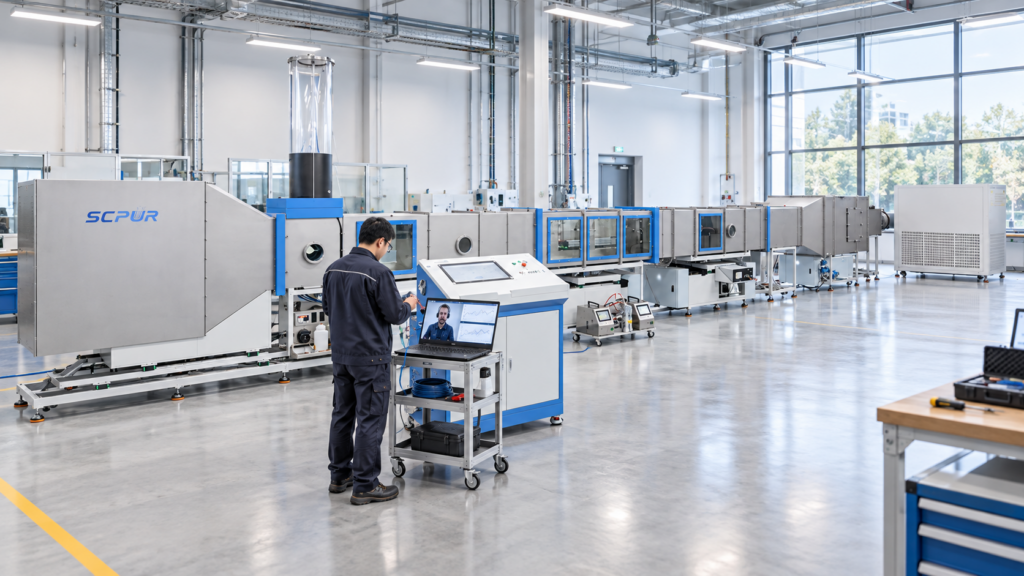
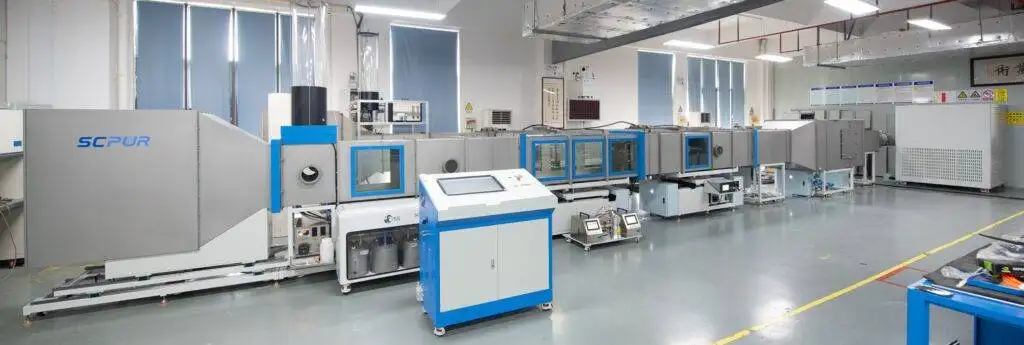
Un laboratorio che emette classificazioni complete normalmente necessita di test di efficienza e resistenza frazionati insieme alla capacità di condizionamento specificata. Il carico di polvere viene aggiunto quando ISO 16890-3 sono richiesti risultati. Un metodo di controllo della produzione può essere più veloce e più semplice, ma il suo output non dovrebbe essere presentato come un ISO completo 16890 classificazione. La configurazione SCPUR SC-16890 dovrebbe quindi essere selezionata dalle dimensioni del campione, intervallo del flusso d'aria, ambito di condizionamento e carico di polvere, esigenze di reporting e il sistema di calibrazione esistente del cliente.
Recommended Test System:SC-16890 Sistema di test generale del filtro dell'aria di ventilazione