

Eine ISO 16890 Der Test ist keine Ein-Punkt-Effizienzmessung, gefolgt von einer Bewertung. Der komplette Arbeitsablauf kombiniert Luftstrom und Widerstand, anfänglicher Bruchwirkungsgrad, Leistung nach dem angegebenen Konditionierungsverfahren, Und, bei Bedarf, Staubbelastung. Jede Stufe beantwortet eine andere Frage und muss korrekt gemeldet werden.
Der Kerntest-Workflow
Der Kerntest-Workflow
- Stellen Sie den Testluftstrom ein und messen Sie den Druckabfall. Der Luftstrom muss stabil bleiben, und der Testkanal muss auf Undichtigkeiten und unzulässige Strömungsverzerrungen überprüft werden.
- Messen Sie die anfängliche fraktionale Effizienz. Die Partikelkonzentrationen vor und nach dem Filter werden verwendet, um eine Effizienzkurve über Partikelgrößenintervalle hinweg zu erstellen, und nicht nur einen einzelnen Wert 0.3 µm.
- Konditionieren Sie den Filter gemäß ISO 16890-4 und wiederholen Sie die Messung der Brucheffizienz. Der Zweck besteht darin, die Leistung zu bewerten, nachdem entfernbare elektrostatische Effekte reduziert wurden, Feldalterung nicht zu reproduzieren.
- Wenden Sie die Standard-Referenzpartikelverteilungen und Berechnungsregeln an, um den ISO ePM1 zu bestimmen, ePM2.5, ePM10- oder ISO-Grobgruppe und -Bewertung.
- Wenn Staubladeleistung erforderlich ist, Führen Sie die ISO durch 16890-3 Testen und protokollieren Sie die gravimetrische Effizienz und Beständigkeit gegenüber der eingefangenen Teststaubmasse. Melden Sie dies getrennt von der ePM-Klassifizierung.
Was muss der Prüfstand kontrollieren??
Was muss der Prüfstand kontrollieren??
Die Genauigkeit hängt nicht nur vom Partikelzähler ab. Das System muss den Luftstrom steuern, Aerosolkonzentration und Mischgleichmäßigkeit, Upstream- und Downstream-Probenahme, Verluste in der Probenahmeleitung, Druckmessung und Hintergrundkonzentration. Für Proben mit höherer Effizienz, Die nachgeschaltete Konzentration muss über der Nachweisgrenze des Geräts bleiben. Andernfalls können Verdünnungsfehler und Umschaltverzögerungen zu überzeugenden, aber falschen Ergebnissen führen.
Vier häufige Berichtsfehler
Vier häufige Berichtsfehler
- Behandeln eines Wirkungsgrads mit fester Partikelgröße als ePM1 oder ePM2,5.
- Unter bedingter Effizienz versteht man die Effizienz nach mehrmonatiger Betriebszeit.
- Verwendung eines staubbelasteten Effizienzwerts in der endgültigen ePM-Klassifizierung.
- Überprüfung der Instrumentenzertifikate unter Ignorieren der Validierung des Kanals, Probenahme- und Berechnungskette.
Wie soll das Labor konfiguriert sein??
Wie soll das Labor konfiguriert sein??
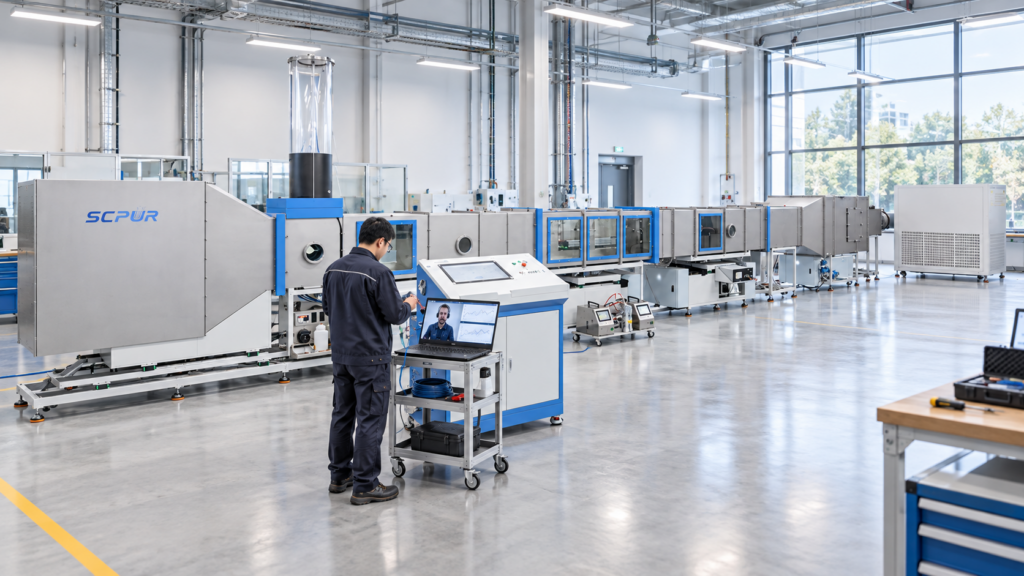
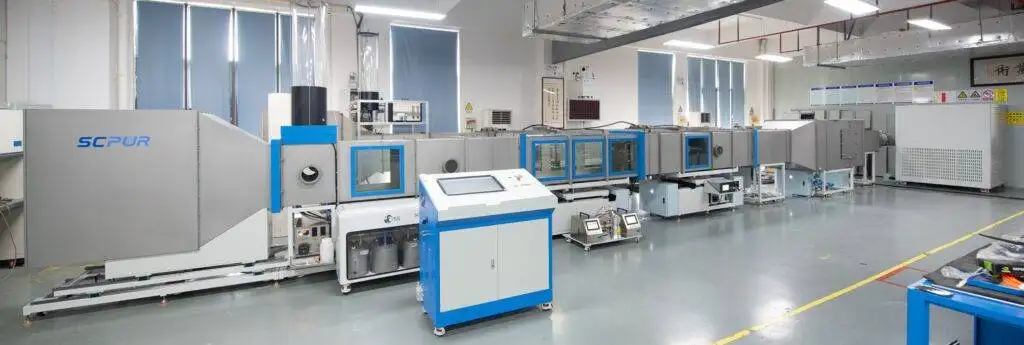
Ein Labor, das vollständige Klassifizierungen ausstellt, benötigt in der Regel einen Bruchteileffizienz- und Widerstandstest zusammen mit der spezifizierten Konditionierungsfähigkeit. Bei ISO kommt Staubbelastung hinzu 16890-3 Ergebnisse sind erforderlich. Eine Produktionskontrollmethode kann schneller und einfacher sein, Die Ausgabe sollte jedoch nicht als vollständige ISO dargestellt werden 16890 Einstufung. Aus den Musterabmessungen sollte daher die SCPUR SC-16890-Konfiguration ausgewählt werden, Luftstrombereich, Konditionierungs- und Staubladebereich, Berichterstattungsanforderungen und das bestehende Kalibrierungssystem des Kunden.
Recommended Test System:SC-16890 Luftfilter-Testsystem für allgemeine Lüftung