

ISO 16890 test nie jest jednopunktowym pomiarem wydajności, po którym następuje ocena. Kompletny przepływ pracy łączy przepływ powietrza i opór, początkowa wydajność cząstkowa, wydajność po określonej procedurze kondycjonowania, I, kiedy jest to wymagane, ładowanie pyłu. Każdy etap odpowiada na inne pytanie i należy go poprawnie zgłosić.
Podstawowy przepływ pracy podczas testów
Podstawowy przepływ pracy podczas testów
- Ustaw przepływ powietrza testowego i zmierz spadek ciśnienia. Przepływ powietrza musi pozostać stabilny, a przewód testowy należy sprawdzić pod kątem wycieków i niedopuszczalnych zniekształceń przepływu.
- Zmierz początkową wydajność cząstkową. Stężenia cząstek w górę i w dół są wykorzystywane do tworzenia krzywej wydajności w przedziałach wielkości cząstek, a nie w jednej wartości 0.3 µm.
- Kondycjonuj filtr zgodnie z wymaganiami ISO 16890-4 i powtórzyć pomiar wydajności cząstkowej. Celem jest ocena wydajności po zmniejszeniu usuwalnych efektów elektrostatycznych, aby nie odtwarzać starzenia się pola.
- Zastosuj standardowe rozkłady cząstek odniesienia i zasady obliczeń, aby określić ISO ePM1, ePM2.5, Grupa i ocena ePM10 lub ISO Coarse.
- Gdy wymagana jest wydajność załadunku pyłu, przeprowadzić ISO 16890-3 badać i rejestrować wydajność grawimetryczną i odporność na masę wychwyconego pyłu testowego. Zgłoś to oddzielnie od klasyfikacji ePM.
Co musi kontrolować stanowisko badawcze?
Co musi kontrolować stanowisko badawcze?
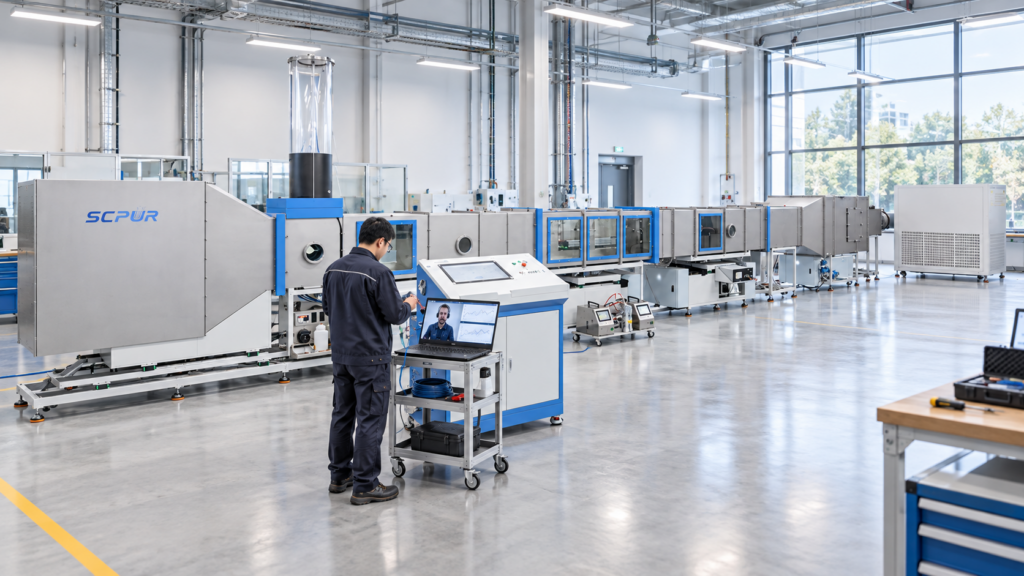
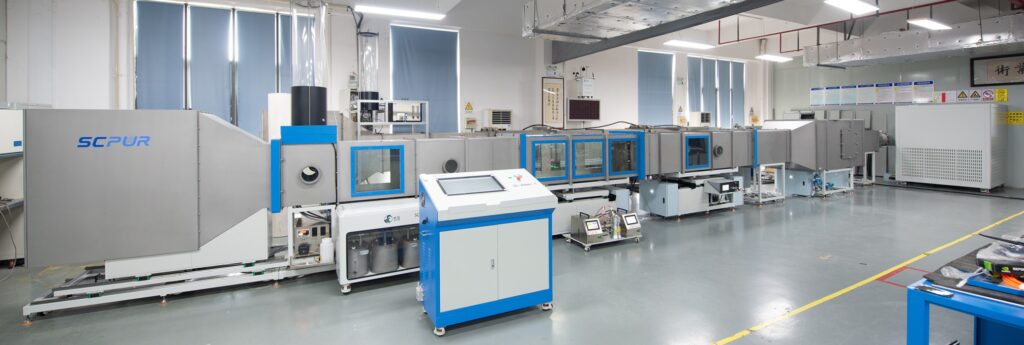
Dokładność zależy od czegoś więcej niż tylko licznika cząstek. System musi kontrolować przepływ powietrza, stężenie aerozolu i jednorodność mieszania, pobieranie próbek z góry i z dołu, straty linii próbkowania, pomiar ciśnienia i stężenie tła. Dla próbek o wyższej wydajności, stężenie za nim musi pozostać powyżej granicy wykrywalności przyrządu. W przeciwnym razie błędy rozcieńczania i opóźnienia przełączania mogą dawać przekonujące, ale nieprawidłowe wyniki.
Cztery typowe błędy w raportowaniu
Cztery typowe błędy w raportowaniu
- Traktowanie wydajności o stałym rozmiarze cząstek jako ePM1 lub ePM2,5.
- Opisanie sprawności uwarunkowanej jako sprawności po kilku miesiącach pracy.
- Wykorzystanie wartości wydajności obciążonej pyłem w końcowej klasyfikacji ePM.
- Sprawdzanie certyfikatów przyrządów, ignorując walidację przewodu, łańcuch próbkowania i obliczeń.
Jak powinno być skonfigurowane laboratorium?
Jak powinno być skonfigurowane laboratorium?
Laboratorium wystawiające pełną klasyfikację zwykle potrzebuje badań wydajności frakcyjnej i odporności wraz z określoną zdolnością kondycjonowania. W przypadku ISO dodawane jest obciążenie pyłem 16890-3 wymagane są wyniki. Metoda kontroli produkcji może być szybsza i prostsza, ale jego wynik nie powinien być przedstawiany jako pełny obraz ISO 16890 klasyfikacja. Należy zatem wybrać konfigurację SCPUR SC-16890 z przykładowych wymiarów, zakres przepływu powietrza, zakres kondycjonowania i odpylania, potrzeb raportowania i istniejącego systemu kalibracji klienta.