W 1822 to europejska seria norm do klasyfikacji i badania działania wysokowydajnych filtrów powietrza. Dotyczy EPA, Filtry HEPA i ULPA stosowane w wentylacji, procesy klimatyzacyjne i techniczne, w tym zastosowania w pomieszczeniach czystych i przemyśle farmaceutycznym.
Norma ocenia wydajność przy najbardziej penetrującym rozmiarze cząstek, lub MPPS. Nie należy go opisywać jako ogólnego standardu dla zwykłych filtrów HVAC do użytku domowego lub komercyjnego, i nie jest to to samo, co test integralności zainstalowanego pomieszczenia czystego.
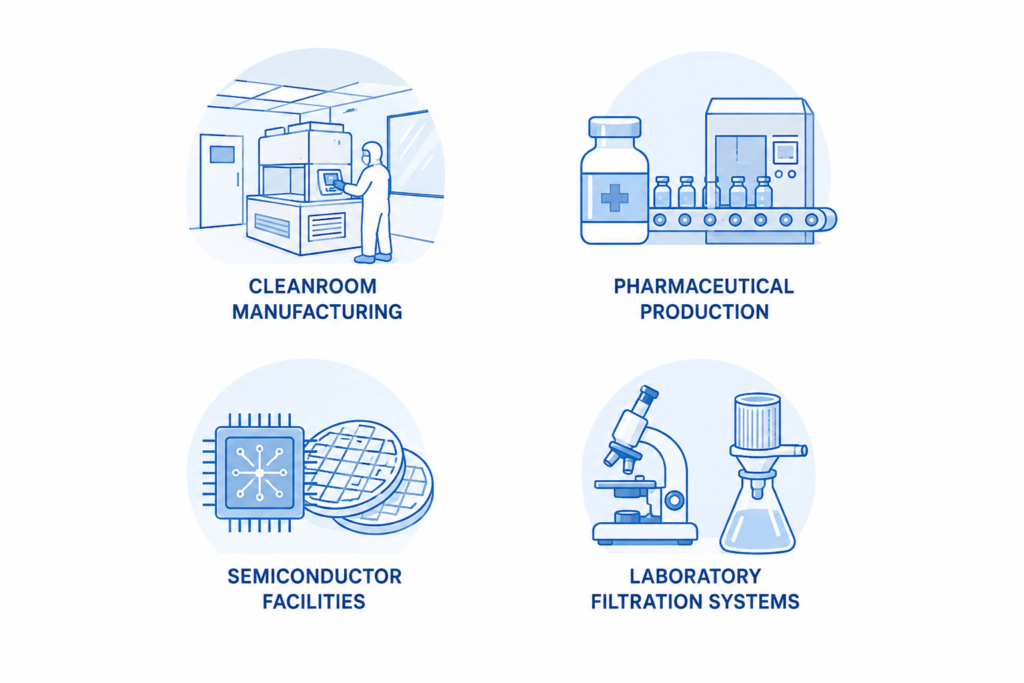
Produkcja pomieszczeń czystych
Produkcja farmaceutyczna
Urządzenia półprzewodnikowe
Laboratoryjne systemy filtracyjne
Jak ORAZ 1822 Testowanie działa
Określ odpowiednią wydajność MPPS materiału filtrującego lub wykorzystaj informacje MPPS wymagane przez program testowy.
Zamontuj gotowy filtr w szczelnie zamkniętym stanowisku testowym i ustal określony przepływ powietrza.
Wygeneruj stabilny aerozol w górę strumienia i potwierdź stężenie i warunki pobierania próbek.
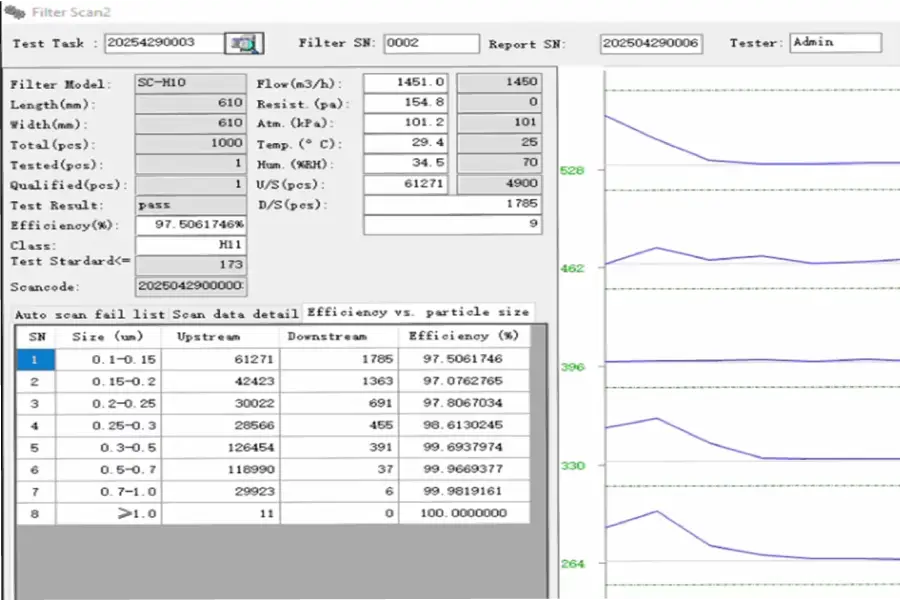
Zmierz integralną wydajność lub penetrację całego filtra przy wymaganej wielkości cząstek lub MPPS.
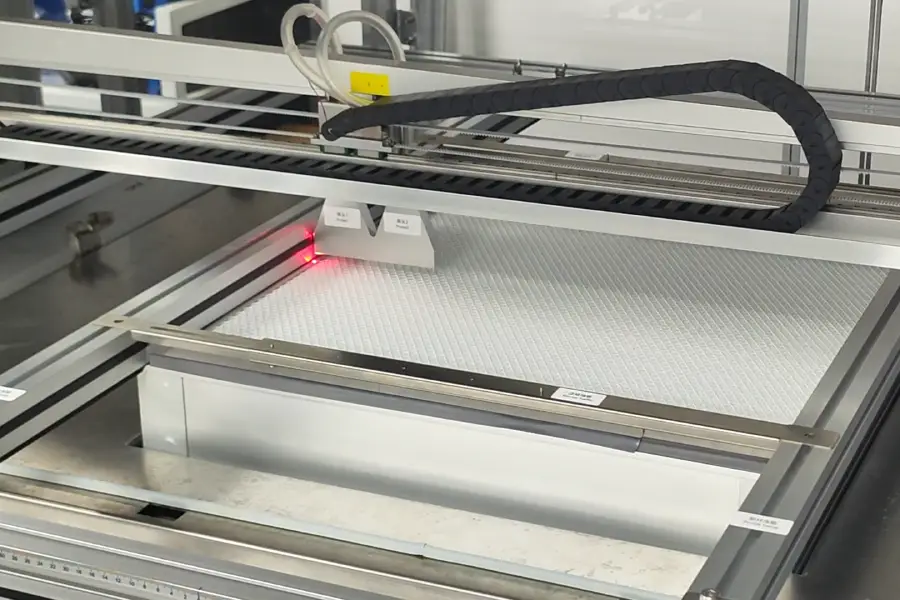
Dla odpowiednich klas H i U, zeskanuj dolną powierzchnię filtra i odpowiednie obszary szczeliwa, aby zidentyfikować nadmierną lokalną penetrację.
Rekordowy spadek ciśnienia, warunki testowe, wyniki integralne, wyniki lokalne i klasyfikacja końcowa.
Filtruj grupy i klasy
W 1822 dzieli filtry o wysokiej wydajności na trzy grupy. Wymagane dowody stają się coraz bardziej wymagające w miarę zmniejszania się penetracji.
Grupa
Zajęcia
Dowody klasyfikacyjne
EPA
E10-E12
Sprawność integralna w MPPS. Do klasyfikacji nie jest wymagane lokalne badanie szczelności.
HEPA
H13-H14
Sprawność integralna i obowiązujące wymagania dotyczące lokalnych wycieków.
ULPA
U15-U17
Bardziej rygorystyczne wymagania dotyczące wydajności integralnej i lokalnych wycieków w MPPS.
Raport powinien identyfikować klasę, nominalny przepływ powietrza, testowy aerozol, MPPS, integralną wydajność lub penetrację oraz zastosowaną metodę badania szczelności. Nazwy klas nie powinny być konwertowane przypadkowo z innego standardu lub ze stałego 0.3 wynik mikrometryczny.
Zintegrowana wydajność i lokalny wyciek
Sprawność integralna to średnia wydajność całego filtra. Lokalne skanowanie wycieków sprawdza poszczególne pozycje na powierzchni wylotowej. Filtr może spełnić swoje całkowite wymagania dotyczące wydajności, a mimo to nie przekroczyć lokalnego limitu z powodu dziury, uszkodzony nośnik, przerwa w uszczelnieniu lub wada związana z ramą.
Wyniki te należy zatem pozostawić w raporcie oddzielnie. Filtry grupy E są klasyfikowane według wydajności całkowej, podczas gdy odpowiednie klasy H i U wymagają również dowodów na lokalne wycieki.
Generator aerozolu
Upstreamowy system próbkowania
Licznik cząstek
Sonda skanująca do wykrywania nieszczelności
System kontrolowanego przepływu powietrza
Testowanie fabryczne i integralność instalacji
W 1822 Testy fabryczne oceniają indywidualny element filtrujący przed instalacją. Po zamontowaniu filtra w suficie, obudowa lub system uzdatniania powietrza, zainstalowany test integralności sprawdza również uszczelkę, uszczelnienie żelowe, ramki i możliwych ścieżek obejścia. Weryfikacja zainstalowanego systemu wykorzystuje oddzielną procedurę testową projektu lub pomieszczenia czystego i nie zastępuje klasyfikacji filtra producenta.
Wybór sprzętu testowego
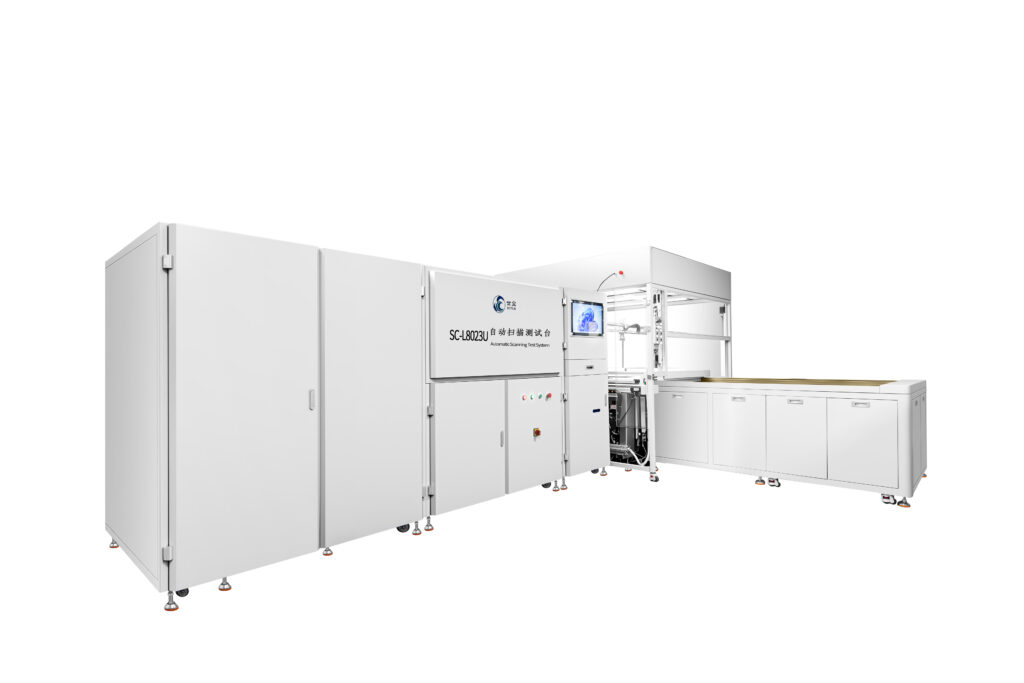
Pełna konfiguracja może wymagać kontrolowanego przepływu powietrza, wytwarzanie aerozolu, próbkowanie referencyjne poprzedzające, detektor o wystarczającym zakresie wielkości cząstek i czułości, automatyczny ruch skanujący, mapowanie wycieków i generowanie raportów. Prawidłowy dobór detektora i układu aerozolu zależy od klasy filtra i najniższej penetracji, jaką należy zmierzyć.
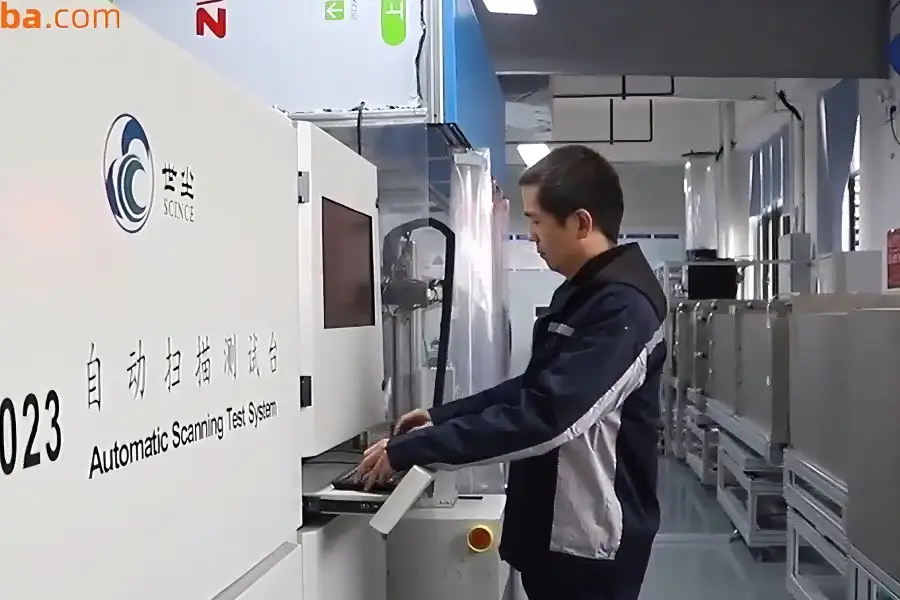
SCPUR konfiguruje systemy SC-L8023 i SC-L8023U zgodnie z klasą filtra, wymiary, przepływ powietrza, zakres cząstek, układ skanowania i przepustowość produkcji.
Podaj nam klasę filtra, rozmiar, znamionowy przepływ powietrza i wymagane EN 1822 wynik testu. Nasz zespół inżynierów pomoże zdefiniować odpowiednią konfigurację systemu.
Potwierdź swoją jakość za pomocą globalnych standardowych systemów testowych
Nasi eksperci są gotowi zaprojektować dla Ciebie niestandardowe rozwiązanie. Opowiedz nam o swoim projekcie, i zweryfikujmy Twoją jakość z precyzją i szybkością.
Niestandardowe r&D & Rozwiązania szyte na miarę
Zgodność ze światowymi standardami
100% Samodzielnie opracowany system oprogramowania
Zdalna kalibracja & Globalne wsparcie
Skontaktuj się z nami
*Szanujemy Twoją poufność i wszystkie informacje są chronione.
Zanim odejdziesz...
Nie masz pewności, który międzynarodowy standard ma zastosowanie do Twojego projektu? Porozmawiaj z naszymi starszymi inżynierami, aby uzyskać spersonalizowaną ocenę techniczną opartą na naszym 10-letnim doświadczeniu branżowym.
*Szanujemy Twoją poufność i wszystkie informacje są chronione.
This page has been automatically translated from the English original for convenience. Product models, standards, numerical values and technical limits should be verified against the English version. Please contact SCPUR for project-specific confirmation.