

「HEPAフィルターリークテスト」は2つの異なるアクティビティに使用されます:
- メーカーの工場で個々のフィルターエレメントをテストする; そして
- インストールされたフィルターをテストする, そのガスケット, ハウジング, クリーンルームまたは空気処理システム内の周囲の設置.
2 つのテストには異なる境界があります, 手順, と合格基準. これらを混同すると、機器の仕様が間違ったり、サポートされていないコンプライアンス要求が発生したりする可能性があります。.
1. フィルターエレメントの工場スキャンテスト
1. フィルターエレメントの工場スキャンテスト
工場スキャンテストでは、完成したフィルターの設置前にローカルパフォーマンスを評価します。. ENの下で 1822 およびISO 29463, テストはフィルターの MPPS 性能と公称エアフローに関連付けられています.
目的は、次のような欠陥によって引き起こされる許容できない局所的な浸透を検出することです。:
- 濾材のピンホールまたは損傷;
- 媒体からフレームまでのシーラントの不連続性;
- セパレーターまたはプリーツパック周りの欠陥; そして
- 製造中または取り扱い中に発生した局所的な構造上の損傷.
境界はフィルター要素そのものです. 建物の住宅, 天井グリッド, 取り付けガスケットの圧縮, 取り付けられたフレームの周囲のバイパスは、この工場テストの一部ではありません。.
2. インストールされたシステムの完全性テスト
2. インストールされたシステムの完全性テスト
フィルター装着後, 完全性テストでは、設置された完全なフィルター システムを評価できます。. 指定された方法に応じて, これには以下が含まれます:
- 濾材;
- フィルター枠;
- ガスケットまたはゲルシール;
- ハウジングと取り付けインターフェース; そして
- 設置周囲のバイパス漏れ.
設置されたシステムのテストは、一般的に ISO などのクリーンルーム認定手法と関連付けられています。 14644-3 プロジェクト固有の医薬品または施設の手順を伴う. EN ではフィルターは再分類されません。 1822 またはISO 29463.
フィルタは工場出荷時のスキャン テストに合格しても、その後、取り付けの損傷により、取り付けられたシステムのテストに失敗する可能性があります。, ガスケットの圧縮が不十分である, ハウジングの漏れ, またはバイパス. 逆に, インストールされたテストは、メーカーのフィルター要素分類テストに代わるものではありません.
3. 工場での粒子計数スキャンテストの仕組み
3. 工場での粒子計数スキャンテストの仕組み
一般的な自動スキャン シーケンスには次の段階が含まれます。.
テスト条件を確立する
テスト条件を確立する
フィルターはテスト装置に取り付けられ、密閉されています, 公称空気流量が確立されます. 圧力降下と空気流量は制御された条件下で記録されます.
チャレンジエアロゾルの生成と調整
チャレンジエアロゾルの生成と調整
安定したエアロゾルが上流に導入され、適切なエアロゾルが得られるように混合されます。, 均一なチャレンジ集中力. 標準ベースの分類の場合, 試験粒子サイズは、該当する MPPS 手順に対応している必要があります。.
上流の基準濃度の測定
上流の基準濃度の測定
上流濃度は透過率を計算するための基準となります。. 漂流したら, ダウンストリームのカウントを正しく解釈できません, したがって、システムは濃度の安定性を監視し、指定されたサンプリングシーケンスを適用する必要があります。.
下流エリア全体をスキャンする
下流エリア全体をスキャンする
1 つまたは複数のプローブが下流のフィルター表面と関連するフレーム/シーラント領域を横切って移動します。. スキャンパスは必要な領域を隙間なくカバーする必要があります. システムはプローブの位置と下流の粒子数を記録します。.
局所的な浸透を計算し、異常な領域を特定する
局所的な浸透を計算し、異常な領域を特定する
局所的な浸透率は上流と下流の測定から決定されます. ポイントまたはリージョンが該当する制限を超えた場合, システムは検査のためにその位置を記録します, 修理, そして検証.
必要に応じて積分効率を決定
必要に応じて積分効率を決定
ローカルリークスキャンと積分効率は異なる結果です. 完全な標準ベースの評価には、局所的なテストと全体的なフィルター要素の効率テストの両方が必要になる場合があります。.
4. 受け入れ制限はクラス固有です
4. 受け入れ制限はクラス固有です
HEPA フィルターの漏れが「≦ 0.01%」でなければならないという普遍的な規則はありません。 ENの下で 1822-1:2019, MPPS 制限には以下が含まれます:
| フィルタークラス | 最小積分効率 | 最大積分貫通力 | 最大の局所浸透 |
|---|---|---|---|
| H13 | 99.95% | 0.05% | 0.25% |
| H14 | 99.995% | 0.005% | 0.025% |
値は、規定された標準手順および試験条件内に適用されます。. その他のクラス, 代替方法, インストールされたシステムのテスト, 顧客の仕様では異なる基準を使用できる.
の 0.01% したがって、この数値は一般的な H13/H14 のローカル リーク制限ではありません。. ISOの場合 29463-1:2024, 0.01% ISO の最大積分貫通力です。 40 H, 正確な EN のない中間 ISO クラス 1822 同等のクラス.
5. スキャン速度を単独で指定できない理由
5. スキャン速度を単独で指定できない理由
製品パンフレットには、走査軸の機械速度能力が記載されている場合があります。, しかし、標準テストは、次のような単一の普遍的な速度によって定義することはできません。 10 センチメートル/秒.
許容スキャン速度は完全な測定条件によって異なります, 含む:
- プローブ入口領域とスキャントラック間隔;
- パーティクルカウンターのサンプリングフロー;
- 上流のエアロゾル濃度;
- 予想される局所浸透限界;
- 検出器の応答と輸送遅延;
- サンプリング間隔とカウント統計; そして
- 1 つまたは複数のプローブが同時にスキャンしているかどうか.
ソフトウェアは、設定された方法からテスト速度を決定または制限する必要があります。. 軸が高速になると、戻り時間と位置決め時間が短縮されます。, ただし、関連する局所的な漏れを検出する可能性を低下させてはなりません.
6. プローブのカバー範囲と位置決め
6. プローブのカバー範囲と位置決め
完全なカバレッジは検出器の感度と同じくらい重要です. スキャン計画では以下を考慮する必要があります:
- プローブ幅と有効入口面積;
- 隣接するトラック間のオーバーラップまたはスペース;
- フィルター表面に対する距離と方向;
- 角, フレーム, およびシーラント領域;
- プリーツまたは V バンク形状; そして
- 自動プローブでは到達できないため、手動での確認が必要な領域.
不規則フィルター用, 自動と手動の組み合わせた手順は、プローブが物理的に到達できない場所を完全に自動でカバーすると主張するよりも信頼性が高い場合があります。.
7. 手動と自動の工場スキャン
7. 手動と自動の工場スキャン
手動スキャンは開発作業に役立ちます, 確認, 修理場所, そして珍しい幾何学模様. その制限はオペレーターに依存する速度です, プローブ距離, カバレッジ, そしてデータ記録.
自動スキャンにより、:
- 一貫したプローブの動きとトラック間隔;
- 再現可能なテスト速度とサンプリング時間;
- 座標位置と粒子数データ;
- 自動リークマッピング;
- 追跡可能な合否ロジック; そして
- 修理箇所の繰り返しテスト.
自動化によっても、正しい標準を構成する必要性がなくなるわけではありません, クラス, MPPS, 気流, エアロゾル, と検出器. 有効な手順の再現性が向上します; 無効な構成を準拠させることはできません.
8. 自動工場スキャンテストに必要な機器
8. 自動工場スキャンテストに必要な機器
完全なシステムには以下が含まれます:
- 制御されたエアフローと差圧測定;
- 信頼性の高いシールを備えたフィルター固定具;
- エアロゾルの発生, 混合, そして集中力のコントロール;
- 上流のリファレンスサンプリング;
- 1 つ以上の下流スキャン プローブ;
- 必要なクラスと粒子範囲に適した光学式粒子カウンターまたは凝縮粒子カウンター;
- 位置フィードバックを備えたモーションシステム; そして
- シーケンス用のソフトウェア, カウント評価, リークマッピング, 報告, とトレーサビリティ.
H13 に必要な感度は、U16 または U17 に必要な感度とは大きく異なります。. 検出器の選択と濃度制御は、測定する必要がある最低透過率に基づいて行う必要があります。.
9. SCPUR SC-L8023/Uの役割
9. SCPUR SC-L8023/Uの役割
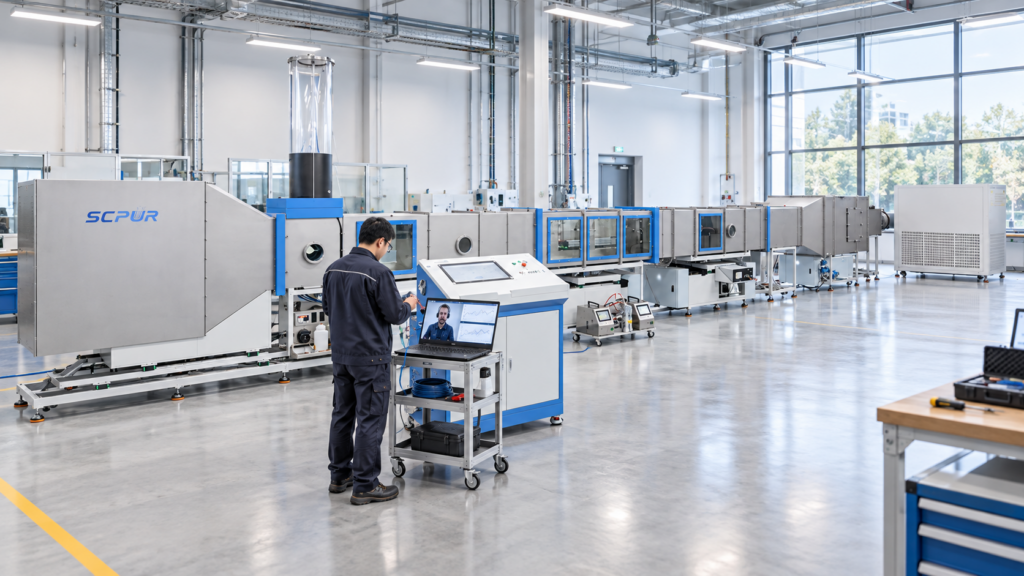
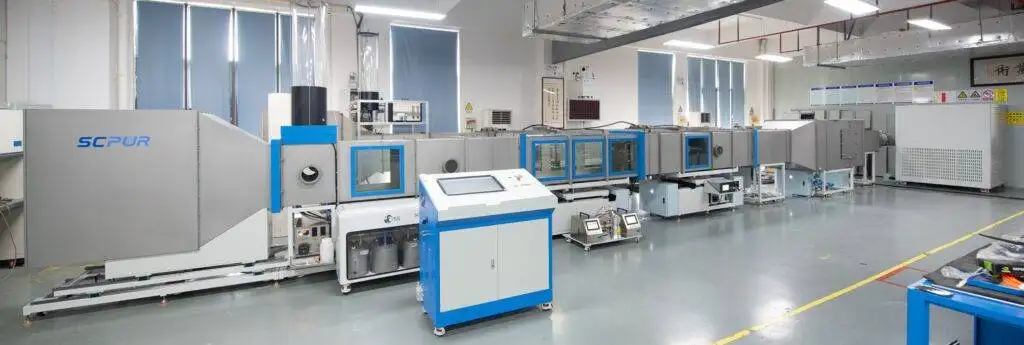
の SC-L8023/U 自動スキャンテストシステム 高効率フィルターエレメントの工場テスト用に設計されています. 選択した構成に応じて, 制御された空気の流れを統合できます, 自動スキャン, 粒子測定, 濃度監視, リークマッピング, 統合性能検証.
システム構成は次のように選択されます。:
- フィルタークラスと適用規格;
- フィルターの寸法と形状;
- 公称空気流量と圧力損失;
- 必要な粒子サイズ範囲と検出器感度;
- 走査プローブの数;
- 生産スループット; そして
- 顧客が社内 QC または正式な標準ベースのレポートを必要としているかどうか.
10. リークテストシステムを選択する前に答えるべき質問
10. リークテストシステムを選択する前に答えるべき質問
- フィルタはインストール前にテストされていますか、それともインストールされたシステムの一部としてテストされていますか?
- どの規格, 版, フィルタクラスを報告する必要があります?
- MPPS 測定はフィルター媒体に対してすでに利用可能ですか??
- テストは社内生産スクリーニングまたは正式な分類を目的としていますか?
- フィルターサイズは何ですか, 形, 空気の流れ, 圧力損失をカバーする必要があります?
- 検出器はどのような局所浸透を確実に測定する必要があるか?
- フィルター形状の自動全面カバーは可能ですか?
- システムはマッピングの修復と再テストをサポートする必要があります?
これらの質問に対する明確な答えは工場の分類を妨げます, 生産審査, インストールされたシステムの整合性テストが混在しないようにする.