

ИСО 16890 результат зависит от всей цепочки измерений, а не только от счетчиков частиц.
Контроль воздушного потока, образование аэрозоля, выборка, кондиционирование, утечка информации в системе и обработка данных могут повлиять на конечный результат. Высокоавтоматизированный испытательный стенд все равно может выдавать ненадежные данные, если эти основные условия не проверены..
Особого внимания заслуживают следующие проблемы.
1. Тестирование при неправильном потоке воздуха
Эффективность и падение давления могут меняться в зависимости от расхода воздуха.. Поток испытательного воздуха должен соответствовать заявленным условиям испытания и оставаться стабильным на протяжении всего измерения..
Лаборатория должна проверить:
- Диапазон измерения воздушного потока
- Статус калибровки
- Компенсация температуры и давления
- Стабильность потока
- Размеры фильтра и площадь лицевой поверхности
- Допустимое давление при более высоком сопротивлении
Тестирование за пределами применимого диапазона системы или измерительного устройства может сделать результат недействительным..
2. Утечка вокруг фильтра или тестового канала
Воздух, проходящий мимо фильтра, может быть измерен как проникновение вниз по потоку.. Утечка может произойти через:
- Крепление фильтра
- Переходные соединения
- Выборочные соединения
- Секции воздуховодов
- Прокладки и хомуты
Проверка утечки должна быть завершена перед проверкой эффективности.. Крепление должно герметизировать фильтр, не деформируя его..
3. Нестабильный или неоднородный аэрозоль
Аэрозоль, поступающий выше по потоку, должен быть достаточно стабильным и смешанным до того, как достигнет места отбора проб..
Плохое распределение аэрозоля может привести к тому, что проба, взятая выше по потоку, будет нерепрезентативной для концентрации, достигающей фильтра..
Лаборатория должна проверить стабильность концентрации и пространственную однородность при требуемых условиях воздушного потока, а не предполагать, что настройки генератора достаточны..
4. Плохая организация выборки
Пробы выше и ниже по потоку должны представлять собой аэрозоль в воздуховоде..
Ошибки могут быть внесены:
- Неправильное расположение или ориентация датчика
- Слишком длинные трубки для отбора проб
- Потери частиц в изгибах или трубах
- Различные условия транспортировки вверх и вниз по течению
- Загрязнение, оставшееся от предыдущего теста
Линии отбора проб должны находиться под контролем, чистый и подходящий для требуемого диапазона размеров частиц.
5. Ошибки концентрации счетчика частиц
Слишком высокая концентрация на входе может вызвать ошибку совпадения или выйти за пределы диапазона прибора.. Слишком низкая концентрация ниже по течению может привести к плохой статистике подсчета..
Может потребоваться разбавление выше по течению, но коэффициент разбавления должен быть известен и стабилен.
Лаборатория также должна проверить:
- Счет нуля прибора
- Концентрация фоновых частиц
- Скорость потока
- Ответ размера канала
- Статус калибровки
- Синхронизация измерений на входе и выходе
Изменение инструментов или конфигураций разбавления без обновления расчета может привести к большой ошибке эффективности..
6. Игнорирование фоновой концентрации
Для высокоэффективных фильтров, проникновение вниз по потоку может быть близко к фоновому уровню частиц.
Если фоновая концентрация не измеряется и не контролируется, частицы из воздуховода, испытательное помещение или система отбора проб могут быть ошибочно связаны с проникновением фильтра.
Перед измерением тест-систему следует очистить и стабилизировать..
7. Неправильное кондиционирование
ИСО 16890 кондиционирование — это контролируемая процедура, используемая для определения минимальной дробной эффективности испытания после уменьшения влияния электростатического заряда..
Его не следует сокращать, модифицировано или описано как моделирование определенного периода старения месторождения.
После кондиционирования, с фильтром необходимо обращаться и тестировать его в соответствии с применимой процедурой.. Неконтролируемое хранение или загрязнение могут повлиять на результат..
8. Совмещение классификации ePM с нагрузкой пыли
Первоначальные и условные результаты дробной эффективности используются для классификации ePM..
Загрузка пыли оценивает разные параметры, включая гравиметрическую эффективность, пылеемкость и сопротивление в зависимости от массы уловленной пыли. Он не определяет класс ePM.
В отчетах должны быть четко разделены эти результаты..
9. Использование программного обеспечения без проверки расчета
Автоматизация сокращает ручную работу, но это не заменяет проверку.
Лаборатория должна проверить:
- Картирование каналов по размерам частиц
- Корректировки вверх и вниз по течению
- Коэффициенты разбавления
- Расчеты эффективности и проникновения
- Логика расчета ePM
- Правила округления и классификации
- Записи условий испытаний
- Шаблоны отчетов
Изменения программного обеспечения следует контролировать и проверять с использованием известных наборов данных..
Практическая предварительная проверка
Перед запуском ISO 16890 тест, подтверждать:
- Система находится в пределах калибровки
- Воздуховод и арматура проходят проверку на герметичность.
- Воздушный поток стабильный
- Концентрация аэрозоля стабильна и однородна.
- Линии отбора проб чистые
- Счетчики частиц находятся в пределах допустимого диапазона
- Настройки разведения правильные.
- Фоновая концентрация приемлема
- Выбрана правильная процедура проверки и состояние фильтра.
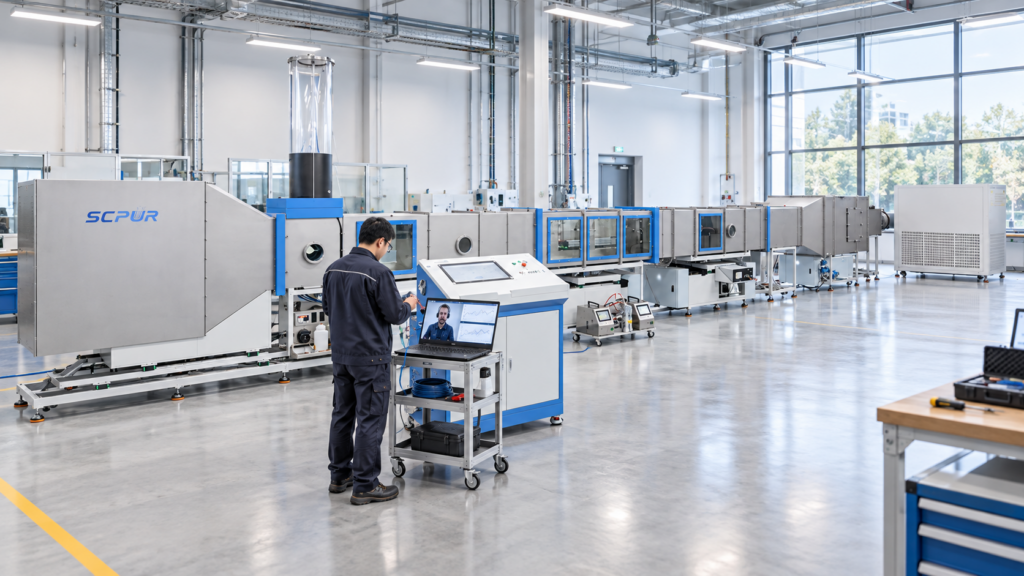
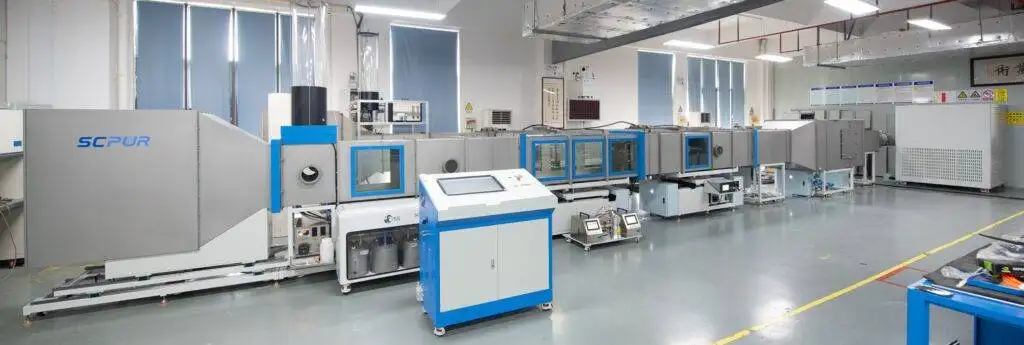
Системы SCPUR сочетают в себе автоматическое управление с воздушным потоком, аэрозоль, функции выборки и расчета. Надежные результаты по-прежнему зависят от проверенной цепочки измерений и лабораторных процедур, которым последовательно следуют операторы..
Recommended Test System:SC-16890 Система испытания воздушных фильтров общей вентиляции