

Eine ISO 16890 Das Ergebnis hängt von der gesamten Messkette ab – nicht nur von den Partikelzählern.
Luftstromkontrolle, Aerosolerzeugung, Probenahme, Konditionierung, Systemlecks und Datenverarbeitung können sich alle auf das Endergebnis auswirken. Ein hochautomatisierter Prüfstand kann immer noch unzuverlässige Daten liefern, wenn diese Grundbedingungen nicht überprüft werden.
Die folgenden Probleme verdienen besondere Aufmerksamkeit.
1. Testen bei falschem Luftstrom
Effizienz und Druckabfall können sich mit dem Luftstrom ändern. Der Testluftstrom muss der angegebenen Testbedingung entsprechen und während der gesamten Messung stabil bleiben.
Das Labor sollte dies überprüfen:
- Messbereich des Luftstroms
- Kalibrierungsstatus
- Temperatur- und Druckkompensation
- Strömungsstabilität
- Filterabmessungen und Gesichtsfläche
- Druckfähigkeit bei höherem Widerstand
Tests außerhalb des anwendbaren Bereichs des Systems oder Messgeräts können das Ergebnis ungültig machen.
2. Leckage um den Filter oder Testkanal herum
Die am Filter vorbeiströmende Luft kann als stromabwärtige Penetration gemessen werden. Es kann zu Undichtigkeiten kommen:
- Die Filterhalterung
- Adapterverbindungen
- Probenahmeanschlüsse
- Kanalabschnitte
- Dichtungen und Klammern
Vor der Leistungsprüfung sollte eine Dichtheitsprüfung durchgeführt werden. Die Halterung muss den Filter abdichten, ohne ihn zu verformen.
3. Instabiles oder ungleichmäßiges Aerosol
Das vorgelagerte Aerosol muss ausreichend stabil und gemischt sein, bevor es den Probenahmeort erreicht.
Eine schlechte Aerosolverteilung kann dazu führen, dass die vorgeschaltete Probe nicht mehr repräsentativ für die Konzentration ist, die den Filter erreicht.
Das Labor sollte die Konzentrationsstabilität und räumliche Gleichmäßigkeit unter den erforderlichen Luftstrombedingungen überprüfen und nicht davon ausgehen, dass eine Generatoreinstellung ausreichend ist.
4. Schlechte Probenahmeanordnung
Vor- und nachgelagerte Proben müssen das Aerosol im Kanal darstellen.
Fehler können durch eingeführt werden:
- Falsche Sondenposition oder -ausrichtung
- Zu lange Probenahmerohre
- Partikelverluste in Bögen oder Rohren
- Unterschiedliche Transportbedingungen stromaufwärts und stromabwärts
- Restkontamination aus einem früheren Test
Probenahmeleitungen sollten unter Kontrolle gehalten werden, sauber und für den gewünschten Partikelgrößenbereich geeignet.
5. Konzentrationsfehler des Partikelzählers
Eine zu hohe stromaufwärtige Konzentration kann zu Koinzidenzfehlern führen oder den Gerätebereich überschreiten. Eine zu niedrige Downstream-Konzentration kann zu einer schlechten Zählstatistik führen.
Vorgeschaltet kann eine Verdünnung erforderlich sein, das Verdünnungsverhältnis muss jedoch bekannt und stabil sein.
Auch das Labor sollte prüfen:
- Nullpunktzähler des Instruments
- Hintergrundpartikelkonzentration
- Durchflussrate
- Größenkanal-Reaktion
- Kalibrierungsstatus
- Synchronisierung von Upstream- und Downstream-Messungen
Das Ändern von Instrumenten oder Verdünnungskonfigurationen ohne Aktualisierung der Berechnung kann zu einem großen Effizienzfehler führen.
6. Hintergrundkonzentration ignorieren
Für Hochleistungsfilter, Die stromabwärtige Penetration kann nahe am Hintergrundpartikelniveau liegen.
Wenn die Hintergrundkonzentration nicht gemessen und kontrolliert wird, Partikel aus dem Kanal, Testraum oder Probenahmesystem können fälschlicherweise auf die Filterpenetration zurückgeführt werden.
Das Testsystem sollte vor der Messung gereinigt und stabilisiert werden.
7. Falsche Konditionierung
ISO 16890 Bei der Konditionierung handelt es sich um ein kontrolliertes Verfahren zur Bestimmung der minimalen Teiltesteffizienz nach Reduzierung des Einflusses elektrostatischer Ladung.
Es sollte nicht gekürzt werden, modifiziert oder als Simulation eines bestimmten Zeitraums der Feldalterung beschrieben.
Nach der Konditionierung, Der Filter muss gemäß dem geltenden Verfahren gehandhabt und getestet werden. Unkontrollierte Lagerung oder Kontamination können das Ergebnis beeinträchtigen.
8. Mischung aus ePM-Klassifizierung und Staubbeladung
Für die ePM-Klassifizierung werden anfängliche und konditionierte Ergebnisse der fraktionierten Effizienz verwendet.
Bei der Staubbeladung werden verschiedene Parameter bewertet, einschließlich gravimetrischer Effizienz, Staubkapazität und -widerstand im Vergleich zur eingefangenen Staubmasse. Es bestimmt nicht die ePM-Klasse.
Berichte sollten diese Ergebnisse klar trennen.
9. Verwendung von Software ohne Überprüfung der Berechnung
Automatisierung reduziert manuelle Arbeit, es ersetzt jedoch nicht die Validierung.
Das Labor sollte dies überprüfen:
- Zuordnung von Partikelgrößenkanälen
- Upstream- und Downstream-Korrekturen
- Verdünnungsfaktoren
- Effizienz- und Penetrationsberechnungen
- ePM-Berechnungslogik
- Rundungs- und Klassifizierungsregeln
- Testbedingungsaufzeichnungen
- Berichtsvorlagen
Softwareänderungen sollten anhand bekannter Datensätze gesteuert und überprüft werden.
Ein praktischer Vortest-Check
Bevor Sie eine ISO starten 16890 prüfen, bestätigen:
- Das System befindet sich innerhalb der Kalibrierung
- Der Kanal und die Armatur bestehen die Dichtheitsprüfung
- Der Luftstrom ist stabil
- Die Aerosolkonzentration ist stabil und gleichmäßig
- Probenahmeleitungen sind sauber
- Partikelzähler sind in Reichweite
- Die Verdünnungseinstellungen sind korrekt
- Die Hintergrundkonzentration ist akzeptabel
- Das richtige Testverfahren und die richtige Filterbedingung werden ausgewählt
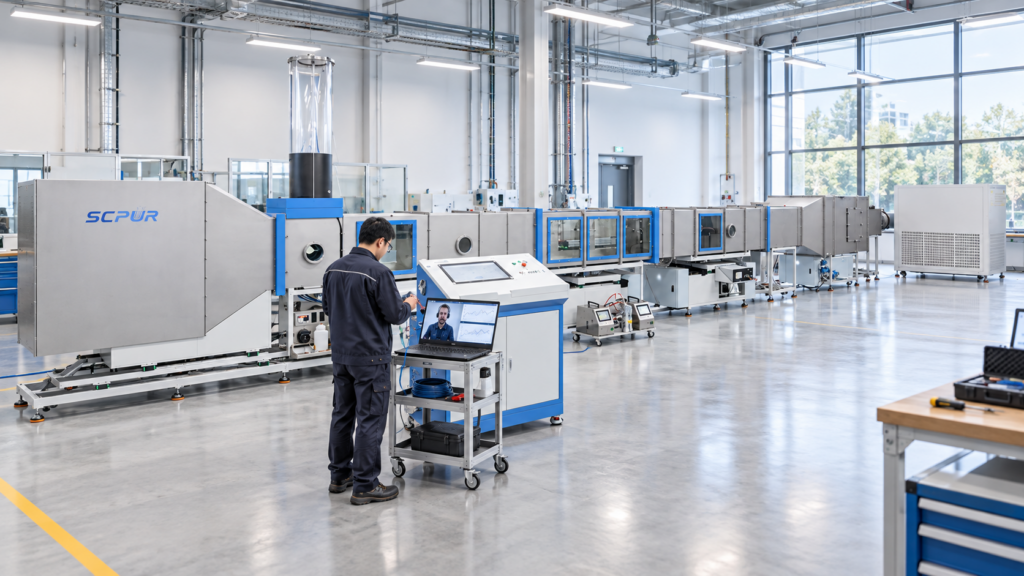
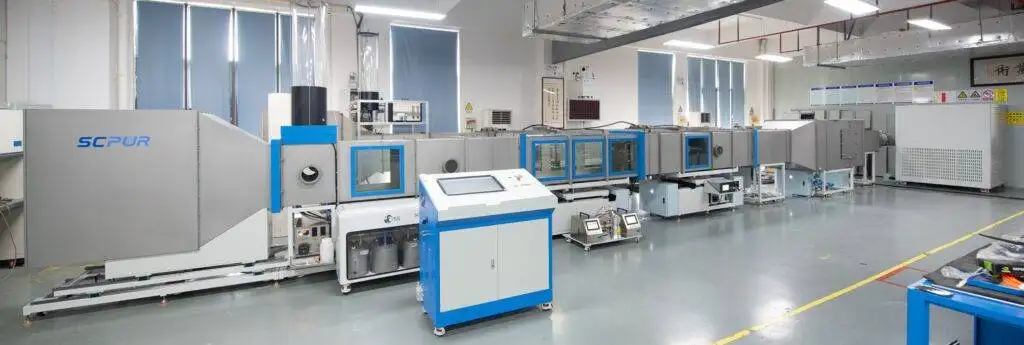
SCPUR-Systeme kombinieren automatisierte Steuerung mit Luftstrom, Aerosol, Sampling- und Berechnungsfunktionen. Zuverlässige Ergebnisse hängen immer noch von einer validierten Messkette und einem Laborverfahren ab, das die Bediener konsequent befolgen.
Recommended Test System:SC-16890 Luftfilter-Testsystem für allgemeine Lüftung