

में 1822 और आईएसओ 29463 ईपीए के परीक्षण और वर्गीकरण के लिए निकट से संबंधित श्रृंखलाएं हैं, HEPA, और ULPA फ़िल्टर. वे एक ही मूल विचार का उपयोग करते हैं: सबसे मर्मज्ञ कण आकार पर कण गिनती द्वारा प्रदर्शन निर्धारित करें (MPPS), समग्र फ़िल्टर दक्षता का मूल्यांकन करें, और - जहां आवश्यक हो - रिसाव परीक्षण द्वारा स्थानीय प्रदर्शन को सत्यापित करें.
वे नहीं हैं, तथापि, समान मानक के लिए समान लेबल. सबसे महत्वपूर्ण अंतर वर्गीकरण प्रणाली है. में 1822-1:2019 E10 से U17 तक आठ परिचित यूरोपीय कक्षाओं का उपयोग करता है. आईएसओ 29463-1:2024 ISO से तेरह कक्षाओं का उपयोग करता है 05 ई से आईएसओ 75 यू, इसमें मध्यवर्ती दक्षता स्तर शामिल हैं जिनमें प्रत्यक्ष EN नहीं है 1822 वर्ग समकक्ष.
उपकरण चयन और परीक्षण रिपोर्टिंग के लिए, “एन समर्थन करता है 1822 और आईएसओ 29463" पर्याप्त जानकारी नहीं है. आवश्यक वर्ग, परिक्षण विधि, नाममात्र वायुप्रवाह, एमपीपीएस रेंज, एयरोसोल, डिटेक्टर संवेदनशीलता, और रिपोर्ट प्रारूप को भी परिभाषित किया जाना चाहिए.
इस तुलना में वर्तमान संस्करण शामिल हैं
इस तुलना में वर्तमान संस्करण शामिल हैं
यह लेख तुलना करता है:
- में 1822-1:2019, वर्तमान यूरोपीय वर्गीकरण, प्रदर्शन-परीक्षण, और दस्तावेज़ को चिह्नित करना; और
- आईएसओ 29463-1:2024, अंतर्राष्ट्रीय वर्गीकरण दस्तावेज़ का तीसरा संस्करण.
आईएसओ श्रृंखला में आईएसओ भी शामिल है 29463-2 एरोसोल और कण-गिनती आवश्यकताओं के लिए, आईएसओ 29463-3 फ़्लैट-शीट मीडिया के लिए, आईएसओ 29463-4 फ़िल्टर-तत्व रिसाव के लिए, और आईएसओ 29463-5:2022 फ़िल्टर-तत्व दक्षता के लिए.
दोनों श्रृंखलाओं में क्या समानता है?
दोनों श्रृंखलाओं में क्या समानता है?
दोनों ढाँचे तीन संबंधित परीक्षण कार्यों के आसपास बनाए गए हैं:
- फ़िल्टर-मध्यम परीक्षण: कण-आकार सीमा पर भिन्नात्मक दक्षता निर्धारित करें और प्रासंगिक मध्यम वेग पर एमपीपीएस की पहचान करें.
- फ़िल्टर-तत्व रिसाव परीक्षण: उन वर्गों और विधियों के लिए स्थानीय पैठ या अस्वीकार्य लीक की अनुपस्थिति का आकलन करें जहां इसकी आवश्यकता है.
- इंटीग्रल फ़िल्टर दक्षता: नाममात्र वायुप्रवाह पर तैयार फ़िल्टर तत्व की समग्र दक्षता निर्धारित करें.
दोनों समूह ई के बीच अंतर करते हैं (EPA), ग्रुप एच (HEPA), और ग्रुप यू (ULPA). दोनों यह मानने के बजाय एमपीपीएस में प्रदर्शन को वर्गीकृत करते हैं 0.3 μm हमेशा सबसे कठिन कण आकार होता है.
मुख्य अंतर: वर्गीकरण संकल्प
मुख्य अंतर: वर्गीकरण संकल्प
में 1822 आठ वर्गों की एक श्रृंखला का उपयोग करता है. आईएसओ 29463:2024 संबंधित मुख्य स्तरों को बरकरार रखता है और मध्यवर्ती कक्षाएं जोड़ता है.
| में 1822-1:2019 | सटीक आईएसओ 29463-1:2024 मिलान | एमपीपीएस में समग्र दक्षता | एमपीपीएस पर अधिकतम स्थानीय पहुंच |
|---|---|---|---|
| ई10 | आईएसओ 05 ई | ≥ 85% | वर्गीकरण के लिए उपयोग नहीं किया जाता |
| E11 | आईएसओ 15 ई | ≥ 95% | वर्गीकरण के लिए उपयोग नहीं किया जाता |
| ई12 | आईएसओ 25 ई | ≥ 99.5% | वर्गीकरण के लिए उपयोग नहीं किया जाता |
| एच13 | आईएसओ 35 एच | ≥ 99.95% | ≤ 0.25% |
| एच14 | आईएसओ 45 एच | ≥ 99.995% | ≤ 0.025% |
| यू 15 | आईएसओ 55 यू | ≥ 99.9995% | ≤ 0.0025% |
| यू 16 | आईएसओ 65 यू | ≥ 99.99995% | ≤ 0.00025% |
| उ17 | आईएसओ 75 यू | ≥ 99.999995% | ≤ 0.0001% |
आईएसओ 29463-1:2024 आईएसओ को अतिरिक्त रूप से परिभाषित करता है 10 ई, आईएसओ 20 ई, आईएसओ 30 ई, आईएसओ 40 एच, आईएसओ 50 यू, आईएसओ 60 यू, और आईएसओ 70 यू. ये वैध आईएसओ कक्षाएं हैं, लेकिन उन्हें निकटतम EN के रूप में पुनः लेबल नहीं किया जाना चाहिए 1822 कक्षा.
उदाहरण के लिए:
- आईएसओ 40 H की समग्र दक्षता कम से कम है 99.99% एमपीपीएस पर. यह EN H13 और H14 के बीच बैठता है और EN H14 फ़िल्टर नहीं है.
- आईएसओ 50 U सटीक EN-समतुल्य स्तर ISO के बीच बैठता है 45 एच और आईएसओ 55 यू. यह कोई नया EN वर्ग नहीं बनाता है.
स्थानीय प्रदर्शन अभिन्न दक्षता के समान नहीं है
स्थानीय प्रदर्शन अभिन्न दक्षता के समान नहीं है
इंटीग्रल दक्षता फ़िल्टर के संपूर्ण सतही क्षेत्र में प्रदर्शन का औसत रखती है. स्थानीय दक्षता एक विशिष्ट स्कैन किए गए स्थान पर प्रदर्शन को संदर्भित करती है.
एच और यू कक्षाओं के लिए, एक फिल्टर अपनी अभिन्न दक्षता आवश्यकता को पूरा कर सकता है, फिर भी एक पिनहोल के कारण स्थानीय प्रवेश सीमा में विफल रहता है, क्षतिग्रस्त माध्यम, सीलेंट असंततता, या फ़्रेम-संबंधी दोष. यही कारण है कि समग्र दक्षता परीक्षण और स्थानीय रिसाव स्कैनिंग अलग-अलग कार्य हैं.
ग्रुप ई फ़िल्टर अलग हैं: इन वर्गीकरण प्रणालियों के अंतर्गत, वर्गीकरण उद्देश्यों के लिए उनका लीक-परीक्षण नहीं किया जाता है.
लीक-परीक्षण विधि नियमों में अंतर
लीक-परीक्षण विधि नियमों में अंतर
कण-गिनती स्कैन विधि आईएसओ में संदर्भ विधि है 29463-4. यह ग्रुप यू फ़िल्टर के लिए आवश्यक विधि है. आईएसओ 29463 जब लागू शर्तें पूरी होती हैं और विधि स्पष्ट रूप से पहचानी जाती है तो समूह एच फ़िल्टर के लिए परिभाषित वैकल्पिक रिसाव-परीक्षण विधियों की भी अनुमति देता है.
में 1822-1:2019 संदर्भ आईएसओ 29463 पार्ट्स 2 के माध्यम से 5 विस्तृत परीक्षण प्रक्रियाओं के लिए लेकिन अपना स्वयं का EN वर्गीकरण लागू करता है. The 2019 EN संस्करण में एयरोसोल-फोटोमीटर फिल्टर स्कैन लीक परीक्षण शामिल नहीं है. ग्रुप यू फिल्टर का परीक्षण एमपीपीएस कण-गिनती स्कैन विधि द्वारा किया जाता है.
यह एक सार्थक अंतर है. यह कथन कि "रिसाव परीक्षण दोनों मानकों में समान है" बहुत व्यापक है. फ़िल्टर समूह और चयनित मानक विधि अवश्य बताई जानी चाहिए.
है 0.3 μm परीक्षण पर्याप्त?
है 0.3 μm परीक्षण पर्याप्त?
स्वचालित रूप से नहीं. मानक एमपीपीएस पर फिल्टर को वर्गीकृत करते हैं. आईएसओ 29463 ध्यान दें कि माइक्रो-ग्लास-फाइबर मीडिया के लिए एमपीपीएस अक्सर अनुमानित सीमा में होता है 0.12 μm से 0.25 μm, जबकि झिल्ली और आवेशित मीडिया पर अतिरिक्त विचार की आवश्यकता होती है.
ए 0.3 μm कण चैनल एक मान्य आंतरिक गुणवत्ता-नियंत्रण विधि के लिए उपयोगी हो सकता है, लेकिन इसे औपचारिक EN के रूप में प्रस्तुत नहीं किया जाना चाहिए 1822 या आईएसओ 29463 वर्गीकरण जब तक कि पूरी लागू प्रक्रिया और आवश्यक एमपीपीएस माप संतुष्ट न हो.
अंतर परीक्षण उपकरण को कैसे प्रभावित करता है
अंतर परीक्षण उपकरण को कैसे प्रभावित करता है
एक उपयुक्त परीक्षण प्रणाली को उसकी वायु प्रवाह सीमा से अधिक द्वारा परिभाषित किया जाता है. मुख्य कॉन्फ़िगरेशन प्रश्नों में शामिल हैं:
- किस EN या ISO वर्ग की सूचना दी जानी चाहिए?
- कार्य फ़िल्टर-मीडिया एमपीपीएस निर्धारण है, समाप्त-फ़िल्टर अभिन्न दक्षता, स्थानीय रिसाव स्कैनिंग, या तीनों?
- नाममात्र वायुप्रवाह और फ़िल्टर आकार सीमा क्या है??
- परीक्षण एरोसोल मोनोडिस्पर्स है, अर्ध-मोनोडिस्पर्स, या बहुविक्षेपण?
- डिटेक्टर को किस कण-आकार की सीमा और सांद्रता को मापना चाहिए?
- क्या अपेक्षित स्थानीय और अभिन्न पैठ के लिए काउंटर संवेदनशीलता पर्याप्त है?
- स्कैनिंग कवरेज कैसे होगी, जांच ज्यामिति, रफ़्तार, नमूना लेने का समय, और गिनती के आँकड़ों को नियंत्रित किया जाए?
- कौन सा वैकल्पिक रिसाव विधि, यदि कोई, अनुबंध और मानक द्वारा अनुमति है?
आवश्यक संवेदनशीलता H13 से U17 तक काफी हद तक बढ़ जाती है. उत्पादन H13 परीक्षण के लिए उपयुक्त प्रणाली स्वचालित रूप से U16 या U17 के लिए पर्याप्त नहीं है.
निर्माता को कौन सा मानक निर्दिष्ट करना चाहिए?
निर्माता को कौन सा मानक निर्दिष्ट करना चाहिए?
ग्राहक अनुबंध में नामित मानक का उपयोग करें, नियामक आवश्यकता, या लक्ष्य बाजार. यदि कोई निर्माता यूरोपीय और अंतर्राष्ट्रीय दोनों ग्राहकों को सेवा प्रदान करता है, परीक्षण रिपोर्ट में दोनों वर्गीकरण केवल तभी शामिल हो सकते हैं जहां सटीक मानचित्रण मौजूद हो और लागू प्रक्रियाएं संतुष्ट हो गई हों.
किसी मध्यवर्ती ISO वर्ग को अनौपचारिक EN वर्ग में परिवर्तित न करें. बजाय, प्रतिवेदन:
- पूर्ण मानक और संस्करण;
- फ़िल्टर वर्ग बिल्कुल परिभाषित के अनुसार;
- नाममात्र वायुप्रवाह;
- परीक्षण एयरोसोल और एमपीपीएस;
- अभिन्न दक्षता या पैठ;
- स्थानीय रिसाव-परीक्षण विधि और स्वीकृति सीमा; और
- कोई सहमत विचलन या ग्राहक-विशिष्ट उत्पादन विधि.
व्यावहारिक सारांश
व्यावहारिक सारांश
- में 1822 और आईएसओ 29463 एमपीपीएस-आधारित कण-गिनती सिद्धांतों को साझा करें.
- में 1822-1:2019 आठ वर्ग हैं; आईएसओ 29463-1:2024 तेरह है.
- केवल विशिष्ट आईएसओ कक्षाएं बिल्कुल E10–E12 पर मैप होती हैं, H13–H14, और U15-U17.
- अभिन्न दक्षता और स्थानीय पैठ अलग-अलग स्वीकृति परिणाम हैं.
- वर्गीकरण के लिए समूह ई फ़िल्टर का लीक-परीक्षण नहीं किया जाता है.
- ग्रुप एच और यू फिल्टर के लिए विधि विकल्पों की जांच की जानी चाहिए, न कि मान ली जानी चाहिए.
- ए 0.3 μm उत्पादन परीक्षण स्वचालित रूप से एक एमपीपीएस वर्गीकरण परीक्षण नहीं है.
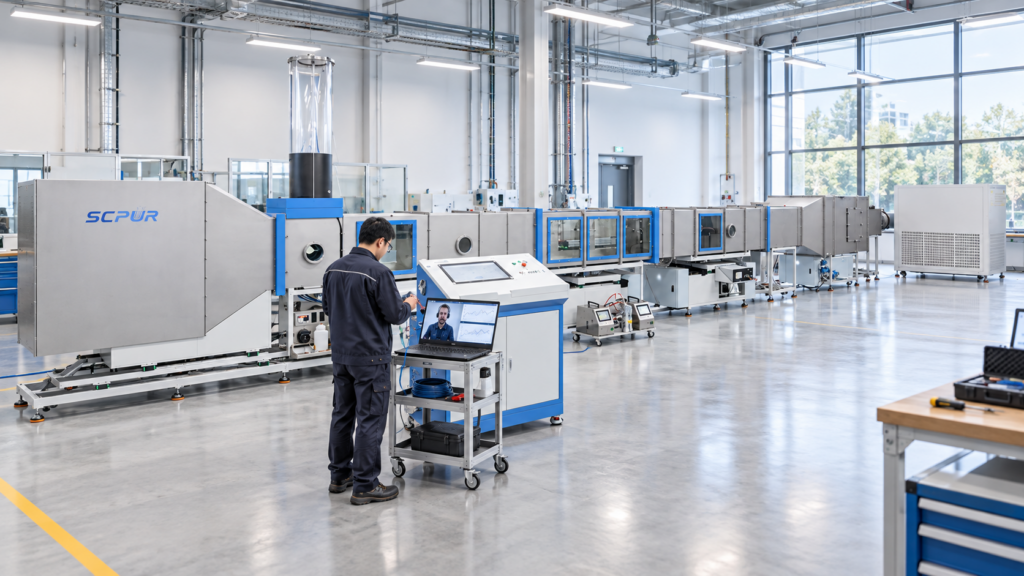
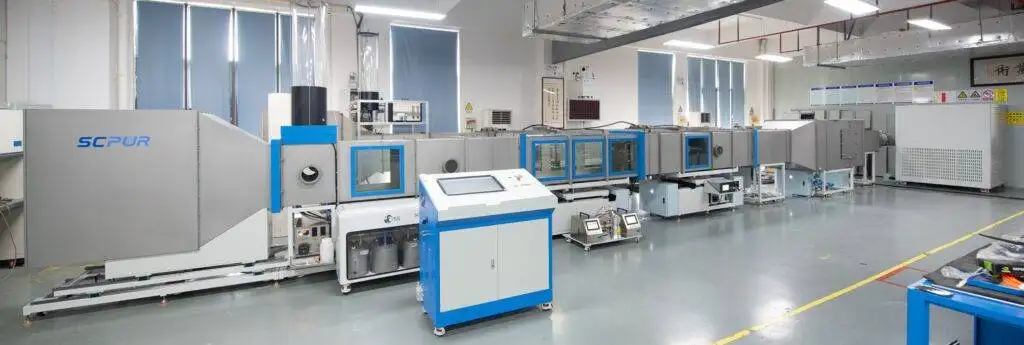
SCPUR आवश्यक वर्ग के अनुसार स्वचालित फ़िल्टर स्कैनिंग सिस्टम को कॉन्फ़िगर करता है, डिटेक्टर रेंज, फ़िल्टर आयाम, वायु प्रवाह, एयरोसोल विधि, और उत्पादन कार्यप्रवाह. देखें SC-L8023/U स्वचालित स्कैनिंग परीक्षण प्रणाली प्लेटफ़ॉर्म अवलोकन के लिए.
- एन को समझना 1822 HEPA फ़िल्टर परीक्षण
- स्वचालित स्कैनिंग परीक्षण प्रणाली SC-L8023/U
- HEPA फ़िल्टर लीक परीक्षण: फ़ैक्टरी स्कैन बनाम इंस्टॉल्ड-सिस्टम इंटीग्रिटी टेस्ट
- क्लीनरूम HEPA फ़िल्टर सत्यापन और रिसाव परीक्षण समाधान
- बीएस एन 1822-1:2019 — वर्गीकरण, प्रदर्शन परीक्षण और अंकन
- आईएसओ 29463-1:2024 — वर्गीकरण, प्रदर्शन, परीक्षण एवं अंकन
- आईएसओ 29463-2:2011 - एरोसोल उत्पादन, मापने के उपकरण और कण-गिनती आँकड़े
- आईएसओ 29463-4:2011 - फिल्टर तत्वों के रिसाव का निर्धारण करने के लिए परीक्षण विधि, स्कैन विधि
- आईएसओ 29463-5:2022 - फ़िल्टर तत्वों के लिए परीक्षण विधि