

W 1822 i ISO 29463 to ściśle powiązane serie służące do badania i klasyfikacji EPA, HEPA, i filtry ULPA. Używają tej samej podstawowej idei: określić wydajność poprzez zliczenie cząstek przy najbardziej penetrującym rozmiarze cząstek (MPPS), ocenić ogólną skuteczność filtra, oraz – w razie potrzeby – sprawdzić lokalne działanie poprzez próbę szczelności.
Nie są, Jednakże, identyczne etykiety dla tego samego standardu. Najważniejszą różnicą jest system klasyfikacji. W 1822-1:2019 wykorzystuje osiem znanych europejskich klas od E10 do U17. ISO 29463-1:2024 wykorzystuje trzynaście klas z ISO 05 E do ISO 75 U, włączając pośrednie poziomy efektywności, które nie mają bezpośredniego EN 1822 odpowiedniki klas.
Do wyboru sprzętu i raportowania testów, „pl obsługuje 1822 i ISO 29463” to za mało informacji. Wymagana klasa, metoda testowa, nominalny przepływ powietrza, Zakres MPPS, aerosol, czułość detektora, należy również określić format raportu.
Bieżące wydania uwzględnione w tym porównaniu
Bieżące wydania uwzględnione w tym porównaniu
W tym artykule porównano:
- W 1822-1:2019, aktualnej klasyfikacji europejskiej, testowanie wydajności, i oznaczenie dokumentu; I
- ISO 29463-1:2024, trzecie wydanie międzynarodowego dokumentu klasyfikacyjnego.
Seria ISO obejmuje również ISO 29463-2 dla wymagań dotyczących aerozoli i zliczania cząstek, ISO 29463-3 dla nośników płaskich, ISO 29463-4 pod kątem wycieku elementu filtrującego, i ISO 29463-5:2022 dla wydajności elementu filtrującego.
Co łączy te dwie serie
Co łączy te dwie serie
Obydwa frameworki opierają się na trzech powiązanych zadaniach testowych:
- Testowanie środka filtrującego: określić wydajność frakcyjną w zakresie wielkości cząstek i zidentyfikować MPPS przy odpowiedniej prędkości medium.
- Badanie szczelności elementu filtrującego: ocenić lokalną penetrację lub brak niedopuszczalnych wycieków dla klas i metod, jeśli jest to wymagane.
- Zintegrowana wydajność filtra: określić ogólną wydajność gotowego elementu filtrującego przy nominalnym przepływie powietrza.
Obydwa wyróżniają grupę E (EPA), Grupa H (HEPA), i Grupa U (ULPA). Obydwa klasyfikują wydajność na poziomie MPPS, zamiast to zakładać 0.3 μm to zawsze najtrudniejszy rozmiar cząstek.
Główna różnica: Uchwała klasyfikacyjna
Główna różnica: Uchwała klasyfikacyjna
W 1822 wykorzystuje jedną serię ośmiu klas. ISO 29463:2024 zachowuje odpowiednie poziomy główne i dodaje klasy pośrednie.
| W 1822-1:2019 | Dokładne ISO 29463-1:2024 mecz | Ogólna wydajność w MPPS | Maksymalna lokalna penetracja w MPPS |
|---|---|---|---|
| E10 | ISO 05 mi | ≥ 85% | Nieużywany do klasyfikacji |
| E11 | ISO 15 mi | ≥ 95% | Nieużywany do klasyfikacji |
| E12 | ISO 25 mi | ≥ 99.5% | Nieużywany do klasyfikacji |
| H13 | ISO 35 H | ≥ 99.95% | ≤ 0.25% |
| H14 | ISO 45 H | ≥ 99.995% | ≤ 0.025% |
| U15 | ISO 55 U | ≥ 99.9995% | ≤ 0.0025% |
| U16 | ISO 65 U | ≥ 99.99995% | ≤ 0.00025% |
| U17 | ISO 75 U | ≥ 99.999995% | ≤ 0.0001% |
ISO 29463-1:2024 dodatkowo definiuje ISO 10 mi, ISO 20 mi, ISO 30 mi, ISO 40 H, ISO 50 U, ISO 60 U, i ISO 70 U. Są to obowiązujące klasy ISO, ale nie należy ich ponownie oznaczać jako najbliższego EN 1822 klasa.
Na przykład:
- ISO 40 H ma ogólną wydajność co najmniej 99.99% w MPPS. Znajduje się pomiędzy EN H13 a H14 i nie jest filtrem EN H14.
- ISO 50 U mieści się pomiędzy dokładnymi poziomami równoważnymi EN ISO 45 H i ISO 55 U. Nie tworzy nowej klasy EN.
Wydajność lokalna to nie to samo, co efektywność integralna
Wydajność lokalna to nie to samo, co efektywność integralna
Sprawność integralna oznacza średnią wydajność na całej powierzchni czołowej filtra. Wydajność lokalna odnosi się do wydajności w określonej skanowanej lokalizacji.
Dla klas H i U, filtr może spełnić swoje całkowite wymagania dotyczące wydajności, ale nie przekroczyć lokalnego limitu penetracji z powodu dziury, uszkodzony nośnik, przerwa w uszczelnianiu, lub wada związana z ramą. Dlatego też ogólne testowanie wydajności i skanowanie lokalnych wycieków to odrębne zadania.
Filtry grupy E są różne: w ramach tych systemów klasyfikacji, nie są poddawane testom szczelności do celów klasyfikacji.
Różnice w zasadach metody badania szczelności
Różnice w zasadach metody badania szczelności
Metoda skanowania poprzez zliczanie cząstek jest metodą referencyjną w ISO 29463-4. Jest to metoda wymagana dla filtrów grupy U. ISO 29463 pozwala również na określenie alternatywnych metod badania szczelności filtrów grupy H, jeśli spełnione są odpowiednie warunki i metoda jest jasno określona.
W 1822-1:2019 odniesienia ISO 29463 Strony 2 Poprzez 5 dla szczegółowych procedur testowych, ale stosuje własną klasyfikację EN. The 2019 Wersja EN nie obejmuje testu szczelności filtra aerozolowo-fotometrycznego. Filtry grupy U badane są metodą skaningową zliczania cząstek MPPS.
To znacząca różnica. Stwierdzenie, że „próba szczelności jest taka sama w obu normach” jest zbyt szerokie. Należy podać grupę filtrów i wybraną metodę normatywną.
Jest 0.3 Testowanie μm wystarczające?
Jest 0.3 Testowanie μm wystarczające?
Nie automatycznie. Normy klasyfikują filtry w MPPS. ISO 29463 zauważa, że MPPS dla nośników z mikrowłókna szklanego często mieści się w przybliżonym zakresie 0.12 μm do 0.25 μm, podczas gdy membrana i media naładowane wymagają dodatkowego rozważenia.
A 0.3 kanał cząstek μm może być przydatny w zwalidowanej metodzie wewnętrznej kontroli jakości, ale nie może być przedstawiany jako formalny EN 1822 lub ISO 29463 klasyfikacji, chyba że spełniona zostanie pełna mająca zastosowanie procedura i wymagany pomiar MPPS.
Jak różnica wpływa na sprzęt testowy
Jak różnica wpływa na sprzęt testowy
Odpowiedni system testowy jest definiowany przez coś więcej niż tylko zakres przepływu powietrza. Kluczowe pytania konfiguracyjne obejmują:
- Którą klasę EN lub ISO należy zgłosić??
- Jest to zadanie polegające na określeniu MPPS w mediach filtracyjnych, Skuteczność integralna gotowego filtra, lokalne skanowanie wycieków, lub wszystkie trzy?
- Jaki jest nominalny przepływ powietrza i zakres rozmiarów filtrów?
- Czy badany aerozol jest monodyspersyjny, quasi-monodyspersyjne, lub polidyspersyjne?
- Jaki zakres wielkości cząstek i stężenie musi mierzyć detektor?
- Czy czułość licznika jest wystarczająca dla oczekiwanej penetracji lokalnej i całkowej?
- Jak będzie skanowany zasięg, geometria sondy, prędkość, czas próbkowania, i statystyki zliczania są kontrolowane?
- Która alternatywna metoda wycieku, jeśli w ogóle, jest dozwolone umową i normą?
Wymagana czułość znacznie wzrasta od H13 do U17. System odpowiedni do produkcyjnego testu H13 nie jest automatycznie odpowiedni dla U16 lub U17.
Który standard powinien określić producent?
Który standard powinien określić producent?
Użyj standardu wymienionego w umowie z klientem, wymóg regulacyjny, lub rynek docelowy. Jeśli producent obsługuje zarówno klientów europejskich, jak i międzynarodowych, raport z badań może zawierać obie klasyfikacje tylko wtedy, gdy istnieje dokładne mapowanie i spełniono mające zastosowanie procedury.
Nie należy przekształcać pośredniej klasy ISO w nieoficjalną klasę EN. Zamiast, raport:
- pełny standard i wydanie;
- klasa filtra dokładnie taka, jak zdefiniowano;
- nominalny przepływ powietrza;
- aerozol testowy i MPPS;
- integralna wydajność lub penetracja;
- lokalną metodę badania szczelności i granicę akceptacji; I
- wszelkie uzgodnione odchylenia lub metoda produkcji specyficzna dla klienta.
Podsumowanie praktyczne
Podsumowanie praktyczne
- W 1822 i ISO 29463 podzielają zasady zliczania cząstek oparte na MPPS.
- W 1822-1:2019 ma osiem klas; ISO 29463-1:2024 ma trzynaście.
- Tylko określone klasy ISO odpowiadają dokładnie E10–E12, H13–H14, i U15–U17.
- Skuteczność integralna i penetracja lokalna to różne wyniki akceptacji.
- Filtry grupy E nie są poddawane próbie szczelności w celu klasyfikacji.
- Należy raczej sprawdzić opcje metod dla filtrów grupy H i U, niż zakładać.
- A 0.3 Test produkcyjny μm nie jest automatycznie testem klasyfikacyjnym MPPS.
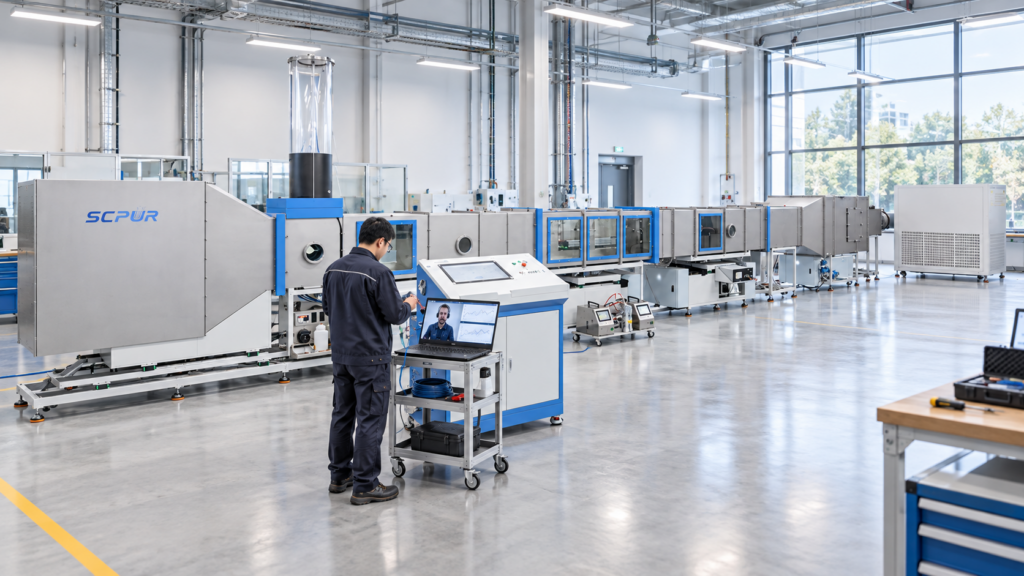
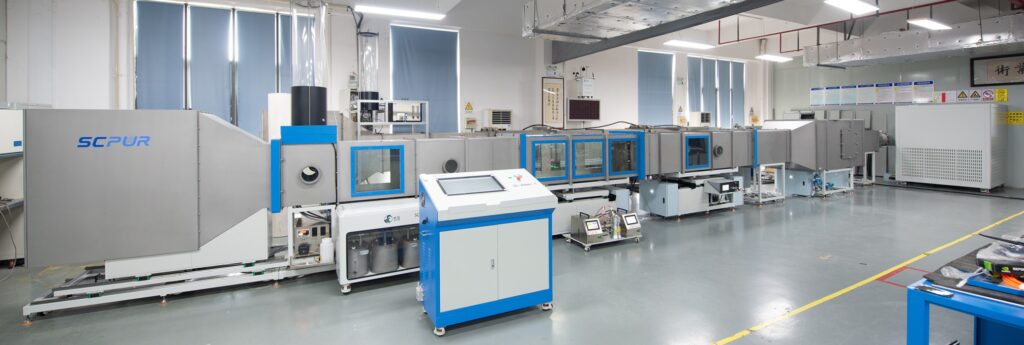
SCPUR konfiguruje systemy automatycznego skanowania filtrów według wymaganej klasy, zasięg detektora, wymiary filtra, przepływ powietrza, metoda aerozolowa, i przebieg produkcji. Zobacz Automatyczny system testujący SC-L8023/U do przeglądu platformy.
- Zrozumienie EN 1822 Testowanie filtra HEPA
- Automatyczny system testowy skanujący SC-L8023/U
- Test szczelności filtra HEPA: Skanowanie fabryczne a test integralności zainstalowanego systemu
- Rozwiązania do sprawdzania poprawności filtrów HEPA i testowania szczelności pomieszczeń czystych
- BS EN 1822-1:2019 — Klasyfikacja, testowanie i znakowanie wydajności
- ISO 29463-1:2024 — Klasyfikacja, wydajność, testowanie i znakowanie
- ISO 29463-2:2011 — Produkcja aerozoli, aparatura pomiarowa i statystyka zliczania cząstek
- ISO 29463-4:2011 — Metoda badania służąca do określenia nieszczelności elementów filtrujących, metoda skanowania
- ISO 29463-5:2022 — Metoda badania elementów filtrujących