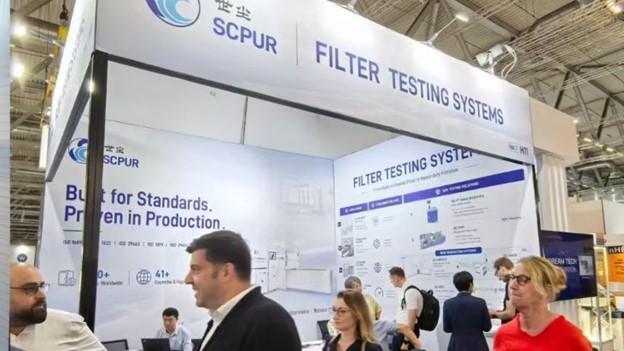


IN 1822 e ISO 29463 sono serie strettamente correlate per testare e classificare l'EPA, HEPA, e filtri ULPA. Usano la stessa idea di base: determinare le prestazioni mediante il conteggio delle particelle alla dimensione delle particelle più penetranti (MPPS), valutare l'efficienza complessiva del filtro, e, ove richiesto, verificare le prestazioni locali mediante test di tenuta.
Non lo sono, Tuttavia, etichette identiche per lo stesso standard. La differenza più importante è il sistema di classificazione. IN 1822-1:2019 utilizza otto classi europee familiari da E10 a U17. ISO 29463-1:2024 utilizza tredici classi ISO 05 E all'ISO 75 U, compresi i livelli di efficienza intermedi che non hanno EN diretta 1822 equivalenti di classe.
Per la selezione delle apparecchiature e il reporting dei test, “en supporta 1822 e ISO 29463” non sono informazioni sufficienti. La classe richiesta, metodo di prova, flusso d'aria nominale, Gamma MPPS, aerosol, sensibilità del rilevatore, e deve essere definito anche il formato del report.
Edizioni attuali trattate in questo confronto
Edizioni attuali trattate in questo confronto
Questo articolo mette a confronto:
- IN 1822-1:2019, l’attuale classificazione europea, test delle prestazioni, e documento di marcatura; E
- ISO 29463-1:2024, la terza edizione del documento di classificazione internazionale.
La serie ISO comprende anche ISO 29463-2 per i requisiti di conteggio degli aerosol e delle particelle, ISO 29463-3 per supporti a fogli piatti, ISO 29463-4 per perdite dell'elemento filtrante, e ISO 29463-5:2022 per l’efficienza dell’elemento filtrante.
Cosa hanno in comune le due serie
Cosa hanno in comune le due serie
Entrambi i framework sono costruiti attorno a tre attività di test correlate:
- Test del mezzo filtrante: determinare l'efficienza frazionaria su un intervallo di dimensioni delle particelle e identificare l'MPPS alla velocità media rilevante.
- Prova di tenuta degli elementi filtranti: valutare la penetrazione locale o l'assenza di perdite inaccettabili per le classi e i metodi in cui ciò è richiesto.
- Efficienza del filtro integrale: determinare l'efficienza complessiva dell'elemento filtrante finito al flusso d'aria nominale.
Entrambi si distinguono nel Gruppo E (EPA), Gruppo H (HEPA), e il Gruppo U (ULPA). Entrambi classificano le prestazioni su MPPS piuttosto che presumerle 0.3 μm è sempre la dimensione delle particelle più difficile.
La differenza principale: Risoluzione sulla classificazione
La differenza principale: Risoluzione sulla classificazione
IN 1822 utilizza una serie di otto classi. ISO 29463:2024 mantiene i livelli principali corrispondenti e aggiunge classi intermedie.
| IN 1822-1:2019 | ISO esatto 29463-1:2024 incontro | Efficienza complessiva a MPPS | Massima penetrazione locale a MPPS |
|---|---|---|---|
| E10 | ISO 05 E | ≥ 85% | Non utilizzato per la classificazione |
| E11 | ISO 15 E | ≥ 95% | Non utilizzato per la classificazione |
| E12 | ISO 25 E | ≥ 99.5% | Non utilizzato per la classificazione |
| H13 | ISO 35 H | ≥ 99.95% | ≤ 0.25% |
| H14 | ISO 45 H | ≥ 99.995% | ≤ 0.025% |
| U15 | ISO 55 U | ≥ 99.9995% | ≤ 0.0025% |
| U16 | ISO 65 U | ≥ 99.99995% | ≤ 0.00025% |
| U17 | ISO 75 U | ≥ 99.999995% | ≤ 0.0001% |
ISO 29463-1:2024 definisce inoltre l'ISO 10 E, ISO 20 E, ISO 30 E, ISO 40 H, ISO 50 U, ISO 60 U, e ISO 70 U. Queste sono classi ISO valide, ma non dovrebbero essere rietichettati come EN più vicini 1822 classe.
Per esempio:
- ISO 40 H ha un'efficienza complessiva di almeno 99.99% presso MPPS. Si trova tra EN H13 e H14 e non è un filtro EN H14.
- ISO 50 U si trova tra gli esatti livelli equivalenti alla norma ISO 45 H e ISO 55 U. Non crea una nuova classe EN.
La prestazione locale non è la stessa cosa dell’efficienza integrale
La prestazione locale non è la stessa cosa dell’efficienza integrale
L'efficienza integrale rappresenta la prestazione media su tutta l'area superficiale del filtro. L'efficienza locale si riferisce alle prestazioni in una specifica posizione scansionata.
Per le classi H e U, un filtro può soddisfare il suo requisito di efficienza integrale ma non superare il limite di penetrazione locale a causa di un foro stenopeico, mezzo danneggiato, discontinuità del sigillante, o difetto legato al telaio. Questo è il motivo per cui i test di efficienza complessiva e la scansione delle perdite locali sono attività separate.
I filtri del Gruppo E sono diversi: secondo questi sistemi di classificazione, non sono sottoposti a test di tenuta ai fini della classificazione.
Differenze nelle regole del metodo di prova delle perdite
Differenze nelle regole del metodo di prova delle perdite
Il metodo di scansione con conteggio delle particelle è il metodo di riferimento nella norma ISO 29463-4. È il metodo richiesto per i filtri del Gruppo U. ISO 29463 consente inoltre di definire metodi alternativi di prova di tenuta per i filtri del Gruppo H quando le condizioni applicabili sono soddisfatte e il metodo è chiaramente identificato.
IN 1822-1:2019 riferimenti ISO 29463 Parti 2 Attraverso 5 per le procedure di prova dettagliate ma applica la propria classificazione EN. IL 2019 L'edizione EN esclude il test di tenuta con scansione del filtro aerosol-fotometro. I filtri del Gruppo U sono testati con il metodo di scansione del conteggio delle particelle MPPS.
Questa è una differenza significativa. L’affermazione secondo cui “il test di tenuta è lo stesso in entrambe le norme” è troppo ampia. È necessario indicare il gruppo di filtri e il metodo normativo selezionato.
È 0.3 Test μm Sufficiente?
È 0.3 Test μm Sufficiente?
Non automaticamente. Gli standard classificano i filtri in MPPS. ISO 29463 rileva che l'MPPS per i supporti in microfibra di vetro è spesso nell'ordine di 0.12 μm a 0.25 μm, mentre la membrana e i mezzi carichi richiedono ulteriori considerazioni.
UN 0.3 Il canale delle particelle μm può essere utile per un metodo di controllo della qualità interno convalidato, ma non deve essere presentato come EN formale 1822 o ISO 29463 classificazione a meno che non siano soddisfatte la procedura completa applicabile e la misurazione MPPS richiesta.
Come la differenza influisce sulle apparecchiature di prova
Come la differenza influisce sulle apparecchiature di prova
Un sistema di prova adatto è definito da qualcosa di più del suo intervallo di flusso d'aria. Le domande chiave sulla configurazione includono:
- Quale classe EN o ISO deve essere riportata?
- È l'attività di determinazione del mezzo filtrante MPPS, efficienza integrale del filtro finito, scansione delle perdite locali, o tutti e tre?
- Qual è il flusso d'aria nominale e l'intervallo di dimensioni del filtro??
- L'aerosol di prova è monodisperso, quasi monodisperso, o polidisperso?
- Quale intervallo di dimensioni delle particelle e concentrazione deve misurare il rilevatore?
- La controsensibilità è sufficiente per la penetrazione locale e integrale prevista?
- Come sarà la copertura della scansione, geometria della sonda, velocità, tempo di campionamento, e le statistiche di conteggio siano controllate?
- Quale metodo di perdita alternativo, se presente, è consentito dal contratto e dalla norma?
La sensibilità richiesta aumenta sostanzialmente da H13 a U17. Un sistema adatto per un test di produzione H13 non è automaticamente adeguato per U16 o U17.
Quale standard dovrebbe specificare un produttore?
Quale standard dovrebbe specificare un produttore?
Utilizzare lo standard indicato nel contratto del cliente, requisito normativo, o mercato di riferimento. Se un produttore serve clienti sia europei che internazionali, il rapporto di prova può includere entrambe le classificazioni solo nel caso in cui esista una mappatura esatta e siano state soddisfatte le procedure applicabili.
Non convertire una classe ISO intermedia in una classe EN non ufficiale. Invece, rapporto:
- lo standard completo e l'edizione;
- la classe del filtro esattamente come definita;
- la portata d'aria nominale;
- l'aerosol di prova e l'MPPS;
- l'efficienza integrale o penetrazione;
- il metodo di prova di tenuta locale e il limite di accettazione; E
- qualsiasi deviazione concordata o metodo di produzione specifico del cliente.
Sintesi pratica
Sintesi pratica
- IN 1822 e ISO 29463 condividere i principi di conteggio delle particelle basati su MPPS.
- IN 1822-1:2019 ha otto classi; ISO 29463-1:2024 ne ha tredici.
- Solo specifiche classi ISO corrispondono esattamente a E10-E12, H13-H14, e U15-U17.
- L’efficienza integrale e la penetrazione locale sono risultati di accettazione diversi.
- I filtri del Gruppo E non sono sottoposti a test di tenuta per la classificazione.
- Le opzioni del metodo per i filtri dei gruppi H e U devono essere verificate anziché supposte.
- UN 0.3 Il test di produzione μm non è automaticamente un test di classificazione MPPS.
SCPUR configura sistemi di scansione automatica dei filtri in base alla classe richiesta, portata del rilevatore, dimensioni del filtro, flusso d'aria, metodo dell'aerosol, e flusso di lavoro di produzione. Vedi il SC-L8023/U Sistema di test di scansione automatica per la panoramica della piattaforma.
- Comprendere l'EN 1822 Test del filtro HEPA
- Sistema di test di scansione automatica SC-L8023/U
- Test di tenuta del filtro HEPA: Scansione di fabbrica e test di integrità del sistema installato
- Soluzioni per la validazione dei filtri HEPA e per il test delle perdite per camere bianche
- BSEN 1822-1:2019 — Classificazione, test e valutazione delle prestazioni
- ISO 29463-1:2024 — Classificazione, prestazione, test e marcatura
- ISO 29463-2:2011 — Produzione di aerosol, apparecchiature di misurazione e statistiche sul conteggio delle particelle
- ISO 29463-4:2011 — Metodo di prova per determinare la perdita degli elementi filtranti, metodo di scansione
- ISO 29463-5:2022 — Metodo di prova per gli elementi filtranti